




Fuel Prices Cut Carrier, Supplier Profits
As third-quarter financial reports continue to be released, it is evident that high fuel prices have affected both trucking companies and the manufacturers that supply them
As third-quarter financial reports continue to be released, it is evident that high fuel prices have affected both trucking companies and the manufacturers that supply them.
The 21 trucking companies that have announced third quarter financial results so far have posted a combined sales gain of 7.5% from the third quarter of 1999 -- but reported a 7.5% decline in profits. While both truckload and less-than-truckload carriers had about the same percentage gain in sales, truckload carriers reported a 14.2% decline in profits compared to only a 3.7% drop for LTL carriers.
Carriers blamed the weak results on delays in adjusting rates to higher diesel fuel prices and to slowing economic growth. Several reported small declines in freight volume. Unlike reports over the previous year and a half, there were no reports of shortages of either equipment or drivers.
The weakening market conditions caused a 3.2% drop in sales and a 0.5% drop in profits from the spring to the summer quarter. Truckload carriers had a 3.6% sales drop but managed to post an 11% profit gain from cost cutting and aggressive rate increases. LTL carriers increased sales 0.9% from the spring quarter but their profits fell 9.6%, mostly due to higher fuel costs and lower equipment trade-in values.
Trucking suppliers did even worse. While Eaton and Caterpillar reported steady sales and very small profit declines overall, both reported about a 20% drop in sales to the medium and heavy truck market. Dana had a 9% fall in sales and an 83% plunge in profits, some of this due to the devaluation of the Euro currency and to a weaker light truck market. PACCAR sustained about a one-third decline in sales and profits, even though European markets strengthened.
The outlook is for continued weakening in financial results for both carriers and suppliers in the current quarter. Diesel fuel prices have risen, freight volume growth has diminished further and the used equipment surplus - while less severe - is still depressing equipment sales to smaller fleets and owner-operators. An expected reversal in diesel fuel price trends this winter and improving used equipment prices are expected to stabilize profits early next year and lead to a profits rebound later in the year.
More Fleet Management
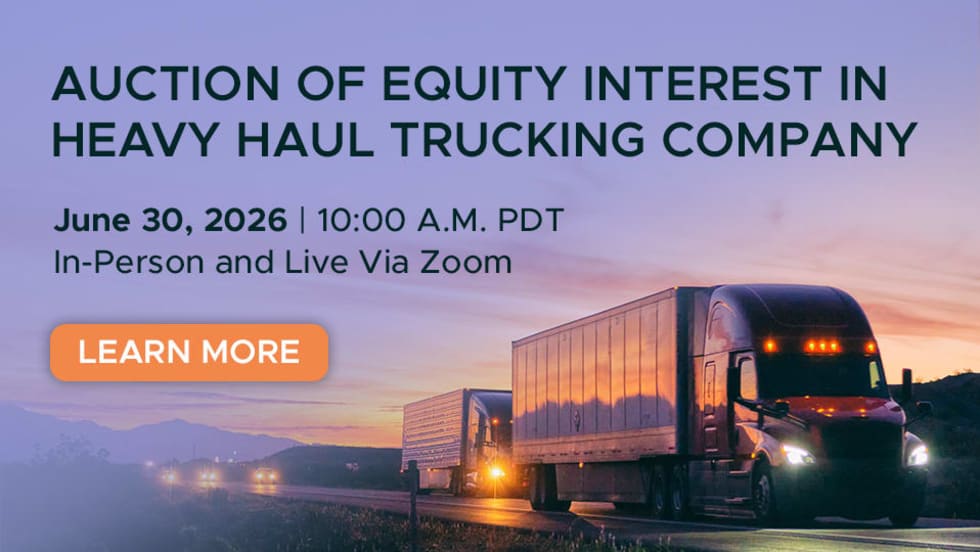
AUCTION OF EQUITY INTEREST IN HEAVY HAUL TRUCKING COMPANY!!
Mark your calendar: June 30, 2026 (10:00 a.m. PDT). MagnaTrans, LLC, a California limited liability company doing business as Magna Transportation Group is going to auction! Bid on a 37.5% ownership interest in this Rancho Cucamonga-based heavy haul and over-dimensional trucking company operating across California, Oregon, and Arizona. The equity interest will be sold to the highest bidder or bidders under Article 9 of the Uniform Commercial Code at 10:00 a.m. PDT.
Read More →
Volvo Trucks Adds Unattended Over-the-Air Software Update Capabilities
The latest evolution of Volvo’s over-the-air update technology allows software updates to run while trucks are parked, helping fleets keep vehicles current without disrupting operations.
Read More →
How Waste Connections is Using Data, Telematics, and AI
How do you manage and maintain more than 18,000 connected trucks? Data. Lots of it.
Read More →

Why Fleet Data Matters More Than Ever at Waste Connections [Watch]
Waste Connections' Chuck Palmer explains how telematics, predictive maintenance, safety analytics, and AI help keep vehicles on the road and drivers safe in this episode of HDT Talks Trucking.
Read More →
NMFTA Launches Free, Anonymous Cybersecurity Threat Report Portal
Organizations are encouraged to anonymously report freight fraud, cargo crime, and cyber threats while gaining visibility into incidents reported across the transportation sector.
Read More →
AI Can Optimize a Fleet. Can It Replace Human Judgment?
Fleets fear falling behind if they don’t adopt AI quickly enough. They also fear what happens if the technology makes the wrong decision.
Read More →
Jamie Hagen Gets Real About Running a Small Fleet in an Uncertain Economy
Small fleet owner Jamie Hagen says new legal risks, volatile fuel prices, and a changing freight market are forcing small carriers to rethink how they operate — and what they can afford.
Read More →
Jamie Hagen Gets Real About Freight, Fuel Prices, Safety, and Small-Fleet Survival
Running a small trucking fleet right now isn’t easy, especially right now. And Jamie Hagen doesn’t sugarcoat it.
Read More →
Jamie Hagen Gets Real About Freight, Fuel Prices, Safety, and Small-Fleet Survival
Running a small trucking fleet right now isn’t easy, especially right now. And Jamie Hagen doesn’t sugarcoat it.
Read More →
Data Lock‑In or Integration Lock‑Out?
Data fragmentation is costing dealerships, OEMs, fleets, and upfitters millions. Here’s why interoperability may be the fix the trucking industry needs.
Read More →