




Freightliner Offers Peek Into Future At SAE
Nov. 25 – Freightliner President and CEO Jim Hebe spoke about the future of trucking and of Freightliner products at the Society of Automotive Engineers annual Truck and Bus meeting last week in Indianapolis – a future that includes fuel cells, more aerodynamic trailers, voice-activated accessories, side air bags and collision avoidance technologies, among others
Nov. 25 – Freightliner President and CEO Jim Hebe spoke about the future of trucking and of Freightliner products at the Society of Automotive Engineers annual Truck and Bus meeting last week in Indianapolis – a future that includes fuel cells, more aerodynamic trailers, voice-activated accessories, side air bags, and collision avoidance technologies, among others.
“It’s been less than a century since the commissioner of the U.S. Office of Patents smugly declared that ‘everything that can be invented has been invented,’” Hebe said during the Blue Ribbon Panel. “And less than 50 years since Popular Mechanics boldly predicted that ‘computers in the future may weight no more than 1.5 tons.’”
Hebe predicts that truck fuel economy could gain another 20% over the next 15 years. Freightliner is using technologies such as computational fluid dynamics, new ways to cut rolling resistance and friction in the power plant, and driver feedback that helps with fuel-saving driving habits.
Repeating a message he delivered in October at the Southern Trucking Expo in Atlanta, Hebe chided trailer manufacturers to catch up with the state of the art. “Trailers represent the most obvious opportunity for aerodynamic improvement,” he said. “We can’t do everybody’s research and development for them, but we’ll have to take action here if no one else will.”
Freightliner is also developing alternative power plants and fuel, including considerable research into fuel cells. The company recently submitted a proposal for fiscal year 1999 funding for the Fuel Cell Powered auxiliary power unit for sleeper cabs. “Fuel cells offer an extraordinary reduction in emissions,” Hebe said, “since their waste is nothing more than CO2 and water, plus miniscule amounts of CO.” Freightliner’s parent company, Daimler-Chrysler, has made huge investments in hydrogen fuel cells, Hebe said, and recently has increased the power density by an order of 10. “The first application within our vehicles is very close,” he said.
Another addition to Freightliner vehicles that is very close is side airbags. “We have conducted a series of tests which prove the minimal impact of a rollover when our SPACE system and driver’s air bag are combined with a side air bag,” he said. (The SPACE system, an option in Freightliner’s Century Class trucks, pre-tensions the seatbelts and pulls the driver’s seat down and away from the roof and steering wheel during a rollover.) “So you can expect us to add side air bags soon. Systems which warn of impending rollover conditions are also in the works, as are driver drowsiness warning systems.”
More Fuel Smarts

East Coast Port Launches $45M Electric Truck Push
The Port Authority of New York and New Jersey announced millions in incentives for zero-emission drayage trucks, yard tractors, and new charging hubs near the port.
Read More →
California Bill Could Shed Light on Electric Truck Prices
Why do battery-electric Class 8 trucks remain so expensive? A California bill headed to Gov. Gavin Newsom would give fleets and state agencies more visibility into what manufacturers charge.
Read More →
Detroit Opens Orders for EPA 2027 Engines
Detroit isn’t starting from scratch to meet EPA 2027 diesel emissions standards. Its Gen 6 DD13 and DD15 engines keep much of today’s platform while updating the fuel and aftertreatment systems.
Read More →
Zero-Emission Truck Corridor Planned for West Coast
California, Oregon, Washington, British Columbia and Baja California are coordinating plans for truck charging and hydrogen fueling from Canada to Mexico.
Read More →
A Closer Look at Kenworth’s Electric T880E Vocational Truck [Video]
Learn more about Kenworth's T880E battery-electric vocational truck at the Paccar Technical Center, including its range, applications, upfitting considerations, and PTO options, in this HDT Spotlight video.
Read More →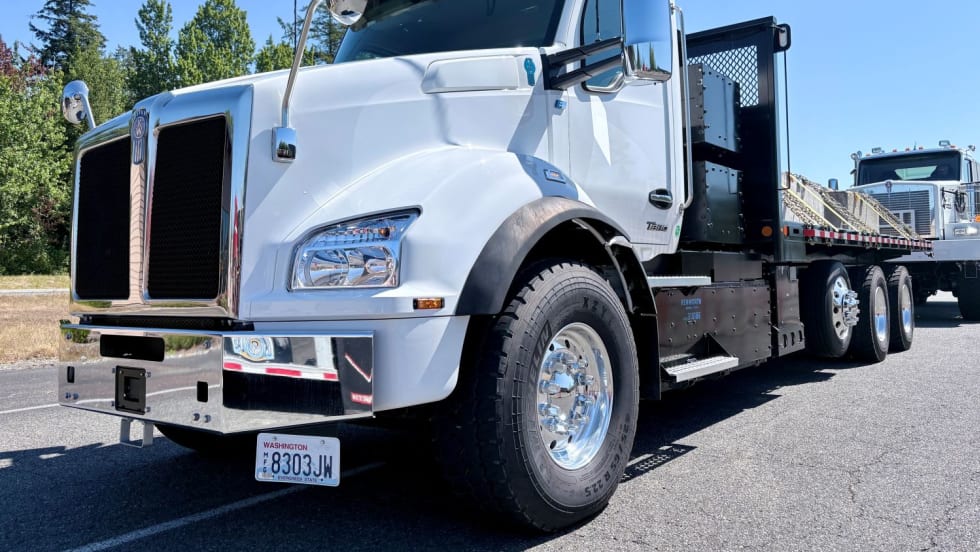
Kenworth T880E Brings EV Power to Vocational Trucks
A closer look at the Kenworth T880E’s range, charging, powertrain and upfit options — and where fleets are showing the most interest.
Read More →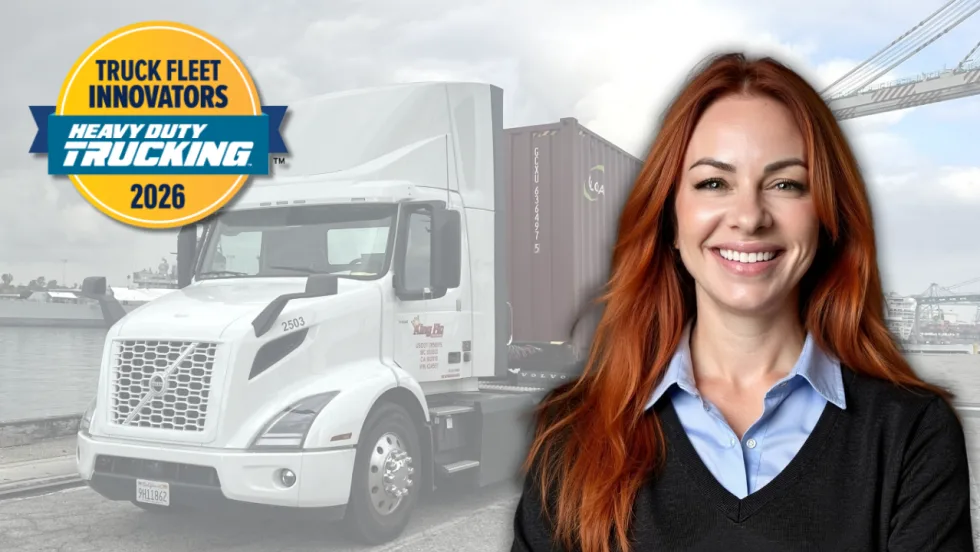
Jennie Abarca Is Proving Electric Trucks Can Do the Job
HDT Truck Fleet Innovator Jennie Abarca is building confidence in fleet electrification one load at a time while openly sharing the challenges she encounters along the way as a small-fleet owner.
Read More →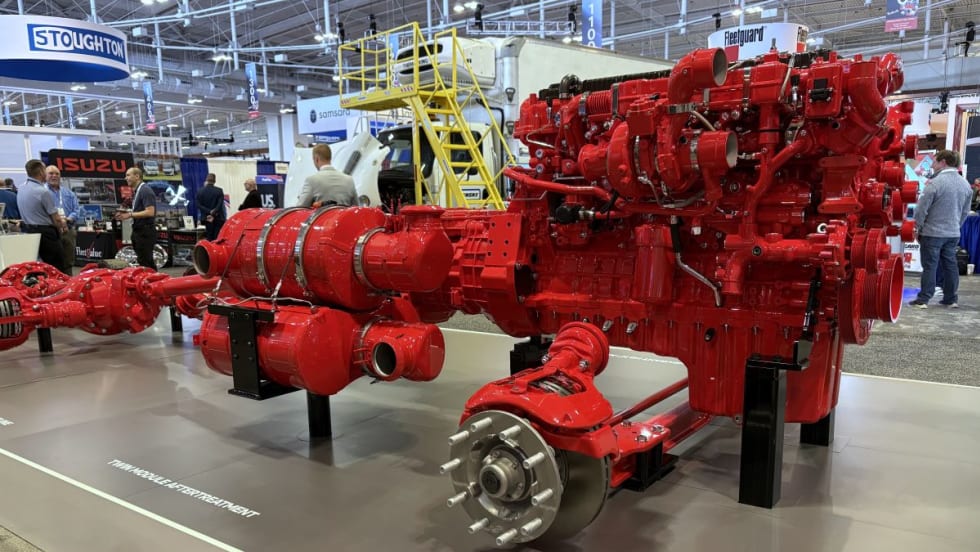
Cummins Adjusts 2027 Engine Rollout After EPA Proposal
The engine maker will gradually introduce its new Model Year 2027 diesel engines while continuing to offer current models during the transition, citing the EPA's proposed emissions rule changes.
Read More →
EPA Proposal Could Ease 2027 Truck Costs and Buying Uncertainty
The proposal doesn't change the tougher NOx standard, but it would revise key implementation requirements that manufacturers say have driven up costs and complicated fleet purchasing decisions.
Read More →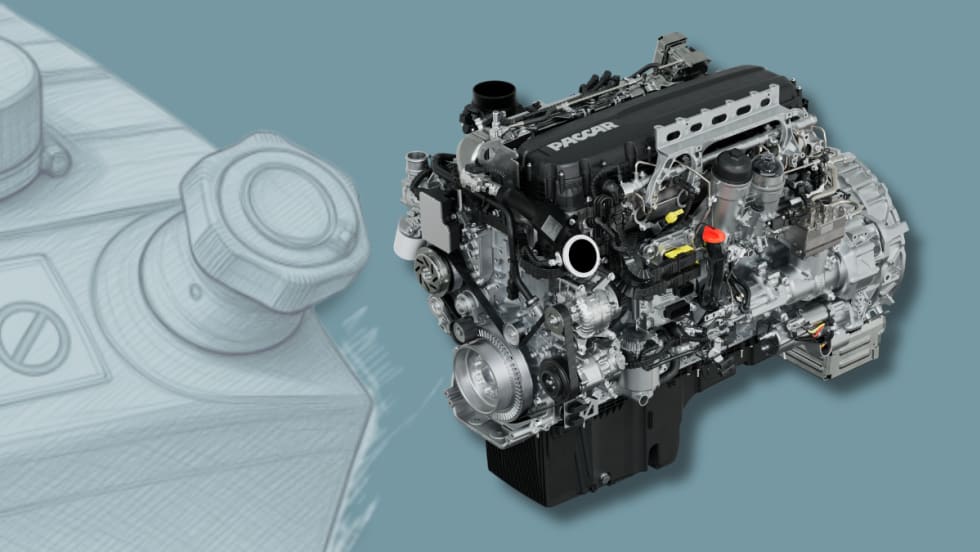
Cummins, Paccar Ease DEF Derates After EPA Guidance
Updated diesel engine software gives truck operators more time to address emissions-system issues while staying compliant with EPA emissions standards.
Read More →