




Freight Needs Money and Federal Planning, House Panel Told
A couple of themes emerged from the first hearing of a new House panel on freight transportation. One: The United States needs to reinvest in freight infrastructure across all modes, and for highways that means raising money by raising fuel taxes.



A couple of themes emerged from the first hearing of a new House panel on freight transportation.
One: The United States needs to reinvest in freight infrastructure across all modes, and for highways that means raising money by raising fuel taxes.
Two: The federal government plays an indispensable role in determining where the investment should be made and how to allocate the funding.
Neither message is new. The significance is the setting: the House Transportation and Infrastructure Committee put the panel together to give freight a more prominent voice in deliberations over the next surface transportation bill.
“In the past, the conversation about freight transportation has focused on specific modes of transportation,” said Rep. John Duncan, R-Tenn., chairman of the bipartisan panel.
“However, given the multi-modal nature of freight movement, it is important to examine the system as a whole.”
Rep. Jerrold Nadler, D-N.Y., the ranking minority member, said the main issue is money.
“How best to fund and finance the freight transportation system over the long term is an overarching and critical question facing this panel,” he said.
“We need the vision, the plan, and the means to address this nation’s goods movement needs and strengthen our economic competitiveness.”
The panel will hold hearings around the country over the next six months to examine the state of freight transportation and come up with legislative suggestions for improving it.
The suggestions will be considered as the committee prepares the next bill, due when the current program expires in October 2014.
For its inaugural session Wednesday, the panel hosted representatives of the trucking, air, rail and maritime industries, as well as a major transportation labor union.
Fred Smith, the founder and CEO of FedEx Corp., warned that the U.S. will lose its global competitive edge unless it modernizes its infrastructure.
For highways, the key will be a stronger funding mechanism – a higher fuel tax or perhaps a vehicle mile tax, he said.
He also suggested increasing the national limit on twin trailer lengths from 28 feet to 33 feet.
This would not increase truck weight so it would not add to wear and tear on pavement, but it would produce an 18% improvement in productivity and improve safety by reducing the number of trucks on the road, he said.
Smith also urged quick implementation of the “Next Gen” air traffic control system, which he said will improve safety, reduce delays, save fuel and reduce emissions. And he pushed for more investment in airport runways, as well as sustainable energy.
Derek Leathers, president and COO of Werner Enterprises, reminded the panel that American Trucking Associations supports raising and indexing federal fuel taxes to pay for infrastructure reinvestment.
“This is the most efficient and least harmful way to prevent a catastrophic collapse of the federal-aid highway program,” he said in his statement.
With respect to freight, Leathers said ATA recommends that Congress set aside money to eliminate the bottlenecks that account for 40% of highway congestion.
“ATA calculates that these bottlenecks cost the trucking industry approximately $19 billion per year in lost fuel, wages and equipment utilization,” he said.
The association also wants the panel to find dedicated funding for last-mile intermodal connectors. These links between the highway system and ports, rail terminals and airports tend to get overlooked by state and local governments, Leathers said.
Truck size and weight limits will be up for debate in the next highway bill. They are the subject of a study now under way at DOT, but Leathers took the opportunity to urge the panel to consider updating them.
“To take advantage of the benefits that productivity increases can deliver, Congress must reform its laws to give states greater flexibility to change their size and weight regulations,” he said.
He added that higher limits would not create a competitive imbalance between trucks and railroads.
The two modes serve different markets and rarely compete for freight, he said, citing data showing that the relative market share of trucks, rail carload and rail intermodal have not changed in the past two decades.
Trucks and rails mostly work together, he said, a point echoed by Wick Moorman, chairman and CEO of Norfolk Southern.
“We work in partnership with a lot of trucking companies,” Moorman said after displaying a photo of FedEx trailers on Norfolk Southern railcars.
Moorman said he anticipates that the DOT size and weight study will show that trucks don’t pay their fair share for the damage they do to roads, and that diesel taxes would need to be higher for heavier trucks.
For the panel’s agenda, Moorman said the federal government should support railroads’ ability to continue reinvesting in its infrastructure and equipment.
He also called on Congress to put the economy on sound footing by reducing the deficit and creating an environment for long-term growth. And, he said, find ways to support private sector investment.
James Newsome, president and CEO of the South Carolina Ports Authority, said the government needs to provide a capital budget to ensure that ports can address a variety of shortcomings.
The industry also needs a way to prioritize projects based on costs and benefits, and a more even-handed approach to authorizing funding.
And in the longer term, the industry needs a user fee system for harbor improvements, similar to the one now used for maintenance, he said.
Ed Wytkind, president of the Transportation Trades Department of the AFL-CIO, started with the funding problem.
“It is time for our political leaders to tell the truth to Americans and businesses: unless we increase revenues flowing into the collapsing Highway Trust Fund – yes by raising the federal fuel user fee – our highways, bridges and public transit systems will fail us and our economy will crater,” he said.
A recent Gallup poll showing little public support for raising the fuel tax outlines the panel’s challenge, he said.
“We are failing to paint an honest picture for the American people on the severe impact to our economy of continuing to neglect our severely aging infrastructure.”
More Fleet Management

Public Wi-Fi Cybersecurity Risks: How Truck Drivers and Fleets Can Protect Their Data
Public Wi-Fi can expose truck drivers and fleets to credential theft, malware, and other cyber threats. Here’s how to reduce the risk on the road.
Read More →
For Nicky Cupp, Fleet Innovation Starts With Frustration
HDT Truck Fleet Innovator Nicky Cupp turns everyday pain points at Fraley & Schilling into opportunities for better technology and smarter processes.
Read More →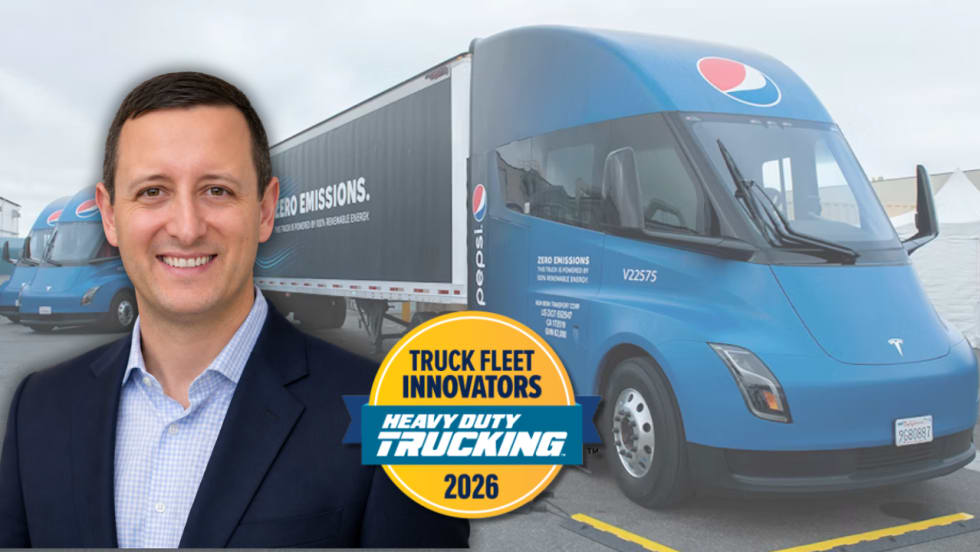
Adam Buttgenbach’s Approach to Electric Trucks: Start With Where They Fit
HDT Truck Fleet Innovator Adam Buttgenbach helped PepsiCo build one of North America’s largest EV fleets by focusing on where electric trucks make operational sense.
Read More →
Deen Albert: Let Automation Do the Math, People Make the Decisions
HDT Truck Fleet Innovator Deen Albert makes sure people are still at the heart of operations at Grand Island Express, even while adopting artificial intelligence tools. AI-assisted dispatch helped boost revenue 25% with the same number of trucks.
Read More →
Trimble’s New AI Agent Takes Aim at Fleet Back-Office Busywork
Arc Agent works across Trimble TMS products to automate repetitive tasks such as freight orders, maintenance, invoices, fuel costs and more.
Read More →
How HDT’s 2026 Truck Fleet Innovators Are Rethinking Fleet Operations
Meet five trucking leaders who are challenging assumptions, solving operational problems, and putting innovative ideas to work.
Read More →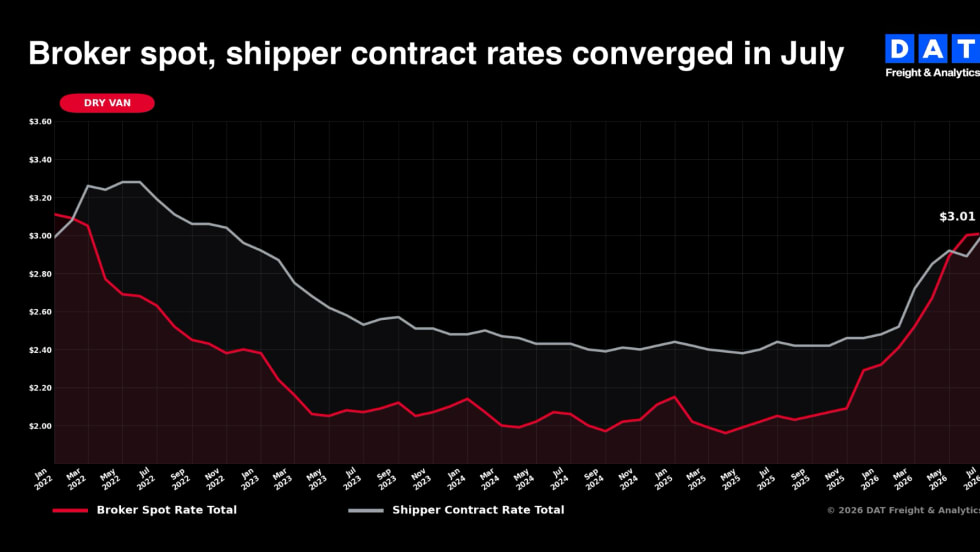
Tight Trucking Capacity Pushes Rates Higher Even as Freight Volumes Fall
“Spot rates moving ahead of contract rates have historically signaled a tightening market, but we haven’t seen a capacity-driven market quite like this one,” said DAT's Dean Croke.
Read More →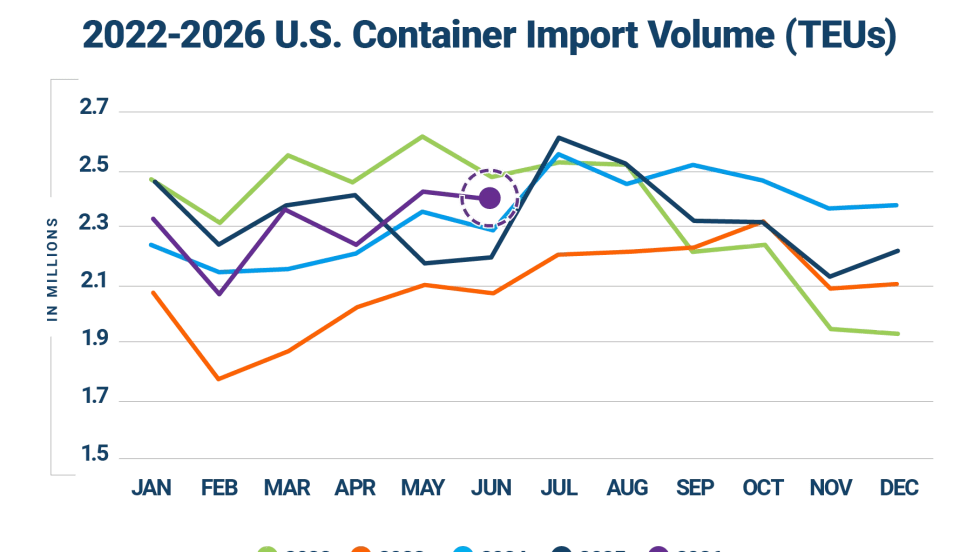
Import Cargo’s Early Peak Season is Winding Down
There was an early start to peak season this year at the nation's gateway ports, as retailers brought in merchandise ahead of tariff changes in late July and responded to other supply chain uncertainties,
Read More →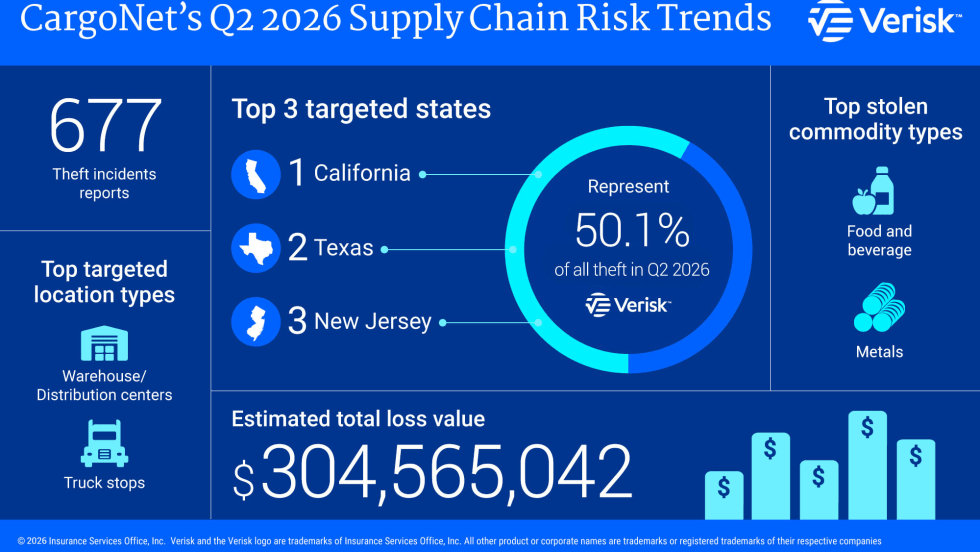
Fewer Cargo Thefts, Bigger Losses: Criminals Target Higher-Value Loads
CargoNet says organized theft rings are stealing fewer shipments but choosing more valuable freight, including metals and technology, resulting in record losses.
Read More →
How Innovative Trucking Leaders Turn Change Into an Advantage
As the pace of change accelerates in trucking, the fleets that adapt best have more than the latest technology. They have cultures that embrace improvement.
Read More →