




Freight Nearly Flat, But Much Activity Still Above Last Year, FTR Economists Say
If dire economic news of recent days affects the U.S. economy, the observations of economists speaking at FTR Associates' monthly State of Freight webinar might be thrown out the window, said moderator Jonathon Starks, at the August 11 conference's outset. But through this year's first half, cargo movement in the U.S. was brisk and many trucking companies remain healthy as they enjoy higher rates
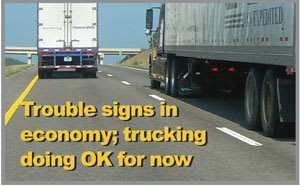
If dire economic news of recent days affects the U.S. economy, the observations of economists speaking at FTR Associates' monthly State of Freight webinar might be thrown out the window, said moderator Jonathon Starks, at the August 11 conference's outset.
But through this year's first half, cargo movement in the U.S. was brisk and many trucking companies remain healthy as they enjoy higher rates.
To be sure, economic and freight growth in the last couple of months has been slower than seen earlier this year. And they'll be modest -- up 3% or less compared to last year -- as the rest of 2011 and early 2012 unfold.
FTR economist Bill Witte's assessment of the economy included several points:
* Numbers for the real Gross Domestic Product and the recession in the last three years were "worse than we initially thought, and the economy is now flattening." The decline from the fourth quarter of 2008 through the first quarter of '09 was an annual rate of almost 8% versus the nearly 6% that everyone thought. The economy still has not regained the ground lost since early '08.
* "The recovery has definitely stalled. The 2009 to 2010 recovery looked like a normal lousy recovery, but it's been slower." Growth in this year's second quarter was only 0.8%, which hasn't helped employment.
* Monetary policy has not been helpful, though throwing in massive amounts of liquidity to avoid a banking collapse "was the right thing to do." The $800 billion-plus stimulus package was largely ineffective and has left us with worse deficits. The Fed's move this week (on interest rates) "was simply stupid."
* The economy will struggle through at least the rest of this year. Witte predicted growth of 2.2% average in the next three quarters, then 2.9% in the following three quarters. This level of growth may keep unemployment at 9%, or it might fall toward 8%.
There are a number of reasons for slower growth, Witte said: An "anti-confidence campaign by Congress, the Obama Administration and the Fed"; colleratal damage from the Standard & Poors downgrade of U.S. creditworthiness; the European debt and banking crises; and prospects for economic slowdown in China.
On the other hand, oil prices are down, which boosts transport companies' profits, and interest rates remain very low, which is great for anyone who can get credit.
Looking at Probabilities
What are the probabilities from all this? Starks asked. Probabilities are difficult to establish in economics, Witte answered, but he saw four:
1. The economy could just take off, but that's not likely.
2. Relatively low growth for the next year and a half, but better than recently, for which he said the chances are 40%.
3. A slow-growth recession, a 20% chance, or
4. We slip back into recession, a 25% chance.
Eric Starks, FTR's president and senior consultant (and Jon's brother), noted that manufacturing is in positive territory, but has slackened recently. One thing not present now is a big spike in inventories, as was seen in late '08 and early '09, which was bad for trucking. Now inventories are down, and that will demand transportation in any kind of recovery -- which is good for trucking.
"Recession is too early to call, yet," Starks said. Truckers continue to show healthy profits into the second quarter, rates have been moving higher recently, and capacity is tight. Drivers are still hard to find, and churn -- hopping from one company to another -- is a factor.
Regulatory headaches persist, he said, with the federal CSA program begun and hours of service and electronic on-board recorder requirements coming, probably in middle of next year. That means additional driver shortages are on the way, and will persist, even if the economy further falters.
Loadings have flattened, he continued. 2011 should be an above-average year with percent of change under 5%, but it could be lower due to recent market losses. HOS changes in mid 2012 will strain capacity. Base freight rates are up 5% to 10% in truckload and about 10% in less-than truckload, but shippers now are paying twice that with fuel surcharges added in.
Active capacity is at 95%, Starks said, but should drop back toward 90% and "equilibrium," so rates could drop somewhat. However, truckers will gain from lower oil prices.
Class 8 truck order activity was up earlier this year, then began dropping, as is typical in the summer. If the drop persists, it's the economy intruding. "At some point, an investment in driver capacity must be made, but when" will fleets do it? he commented. "Equipment orders could flatten if this becomes worse."
If the economy falters, the driver problem will not go away.
Rail & Intermodal
Railroads are performing well, said Larry Gross, FTR's senior consultant, though movements of coal -- a major commodity for the rails -- were interrupted in the West by spring flooding that closed several of BNSF Railway's key lines. With the lines reopened, coal movements could recover if demand for electricity requires it.
Intermodal shipping continues to gain in spite of other factors and is the railroads' "shining star," Gross said. He did caution that his figures show movements of containers and trailer-on-flatcar equipment and not freight itself.
Association of American Railroads' weekly intermodal data shows shipments up about 5% compared to last year, he said. Average train speed has dropped a bit but is still above 30 mph. Intermodal's share of long-haul (above 550 miles) domestic and international movements continues to inch up. The average length of haul is trending down from 1,500 miles toward 1,400 miles, indicating further penetration of shorter hauls.
International container movements are down somewhat versus last year, but that's a reflection of normalcy. Limits in capacity in 2010 caused shippers to order Holiday goods early, resulting in a surge. This year, peak-season goods are moving later, as is normal. Meanwhile, domestic container and TOFC movements were up 9% in June.
Domestic container share versus trailer share is nearly 75%, up somewhat from last year. Rails are investing in intermodal equipment, so the share of rail-owned container movements are up a bit. The trend is toward 53-foot containers and trailers and away from 40-footers.
Panelists agreed that there are "big questions" about economic conditions in Europe and China, and the global economy means they could have implications here.
An earlier forecast called for 4% to 5% truckload tonnage growth this year. When asked if that forecast will that still hold, Erick Starks answered no. "It'll be zero to 3%, given what we've seen recently. And credit is still hard to get for small and medium-size fleets, so we won't see those guys in the market for a while. That's a problem for truck sales and for the broader economy."
More Fleet Management
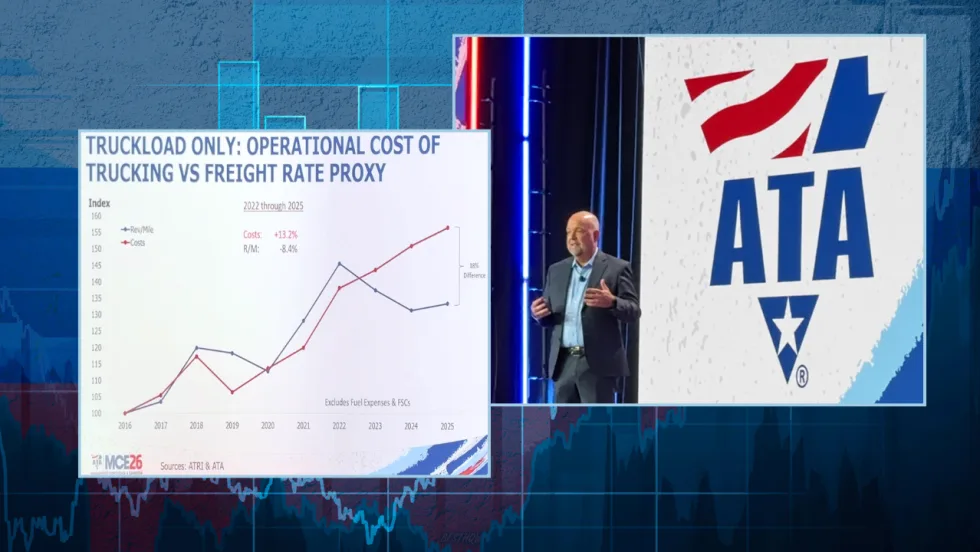
Why This Trucking Recovery Is Different
Freight demand remains sluggish, but rising costs and tougher enforcement have taken enough capacity out of the market to change the outlook for motor carriers.
Read More →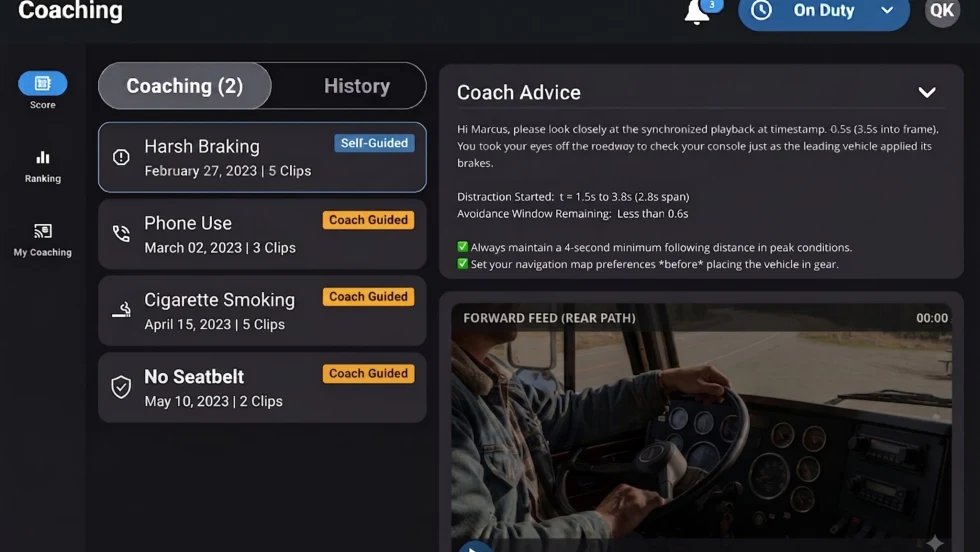
Platform Science Adds Dispatch and Safety Tools
Four additions to PS Fleet help fleets monitor loads, manage driver coaching, share truck locations and adjust video system settings.
Read More →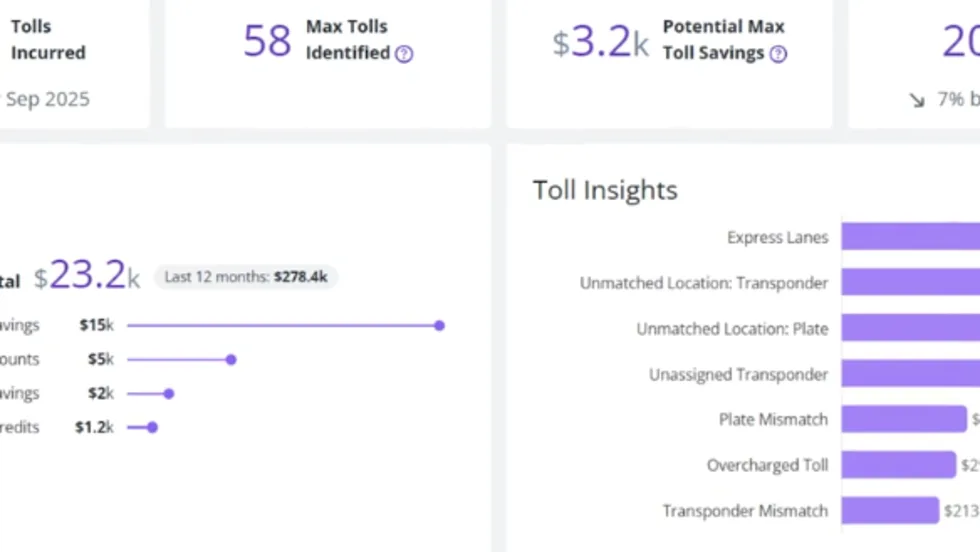
PrePass Intelligence Mines Fleet Bypass, Toll and Safety Data
PrePass Intelligence helps fleets measure bypass savings, flag potential toll overcharges, and spot suspicious transactions by combining data from separate systems.
Read More →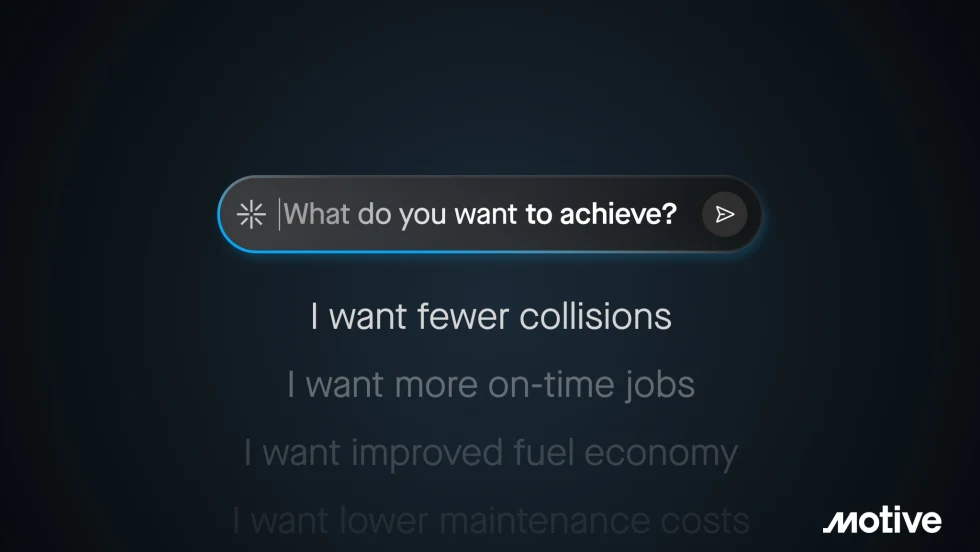
Motive Adds AI Agents for Fleet Operations
New tools automate follow-up on fleet data, from maintenance work orders to driver alerts, with two-way voice conversations planned for later this year.
Read More →
Can You Beat Our Trucking Trivia Challenge?
Test your truck knowledge with 19 trivia questions from Heavy Duty Trucking Exchange. Can you keep up with the fleet pros?
Read More →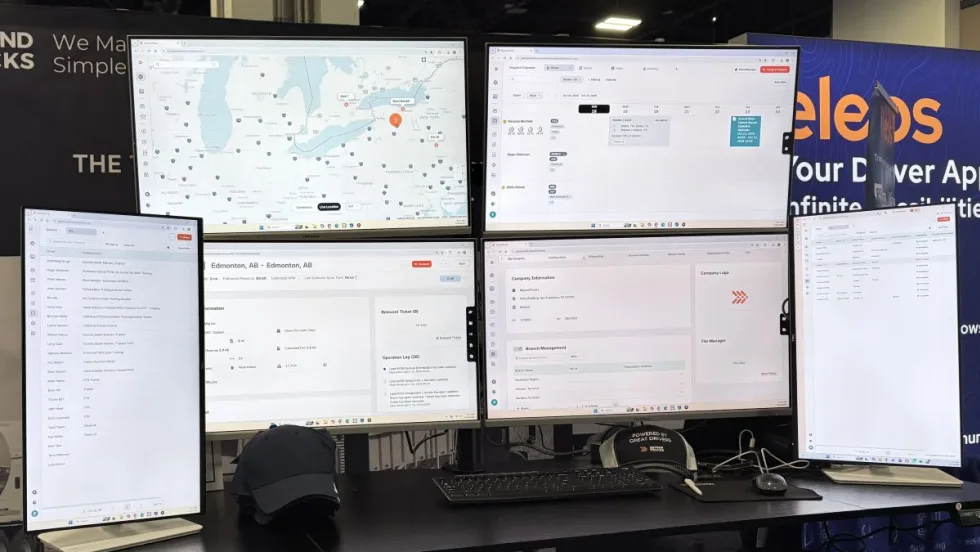
BeyondTrucks Adds Rules Checks to Dispatch
New Compatibility Engine checks driver qualifications, equipment requirements and fleet policies before loads are dispatched.
Read More →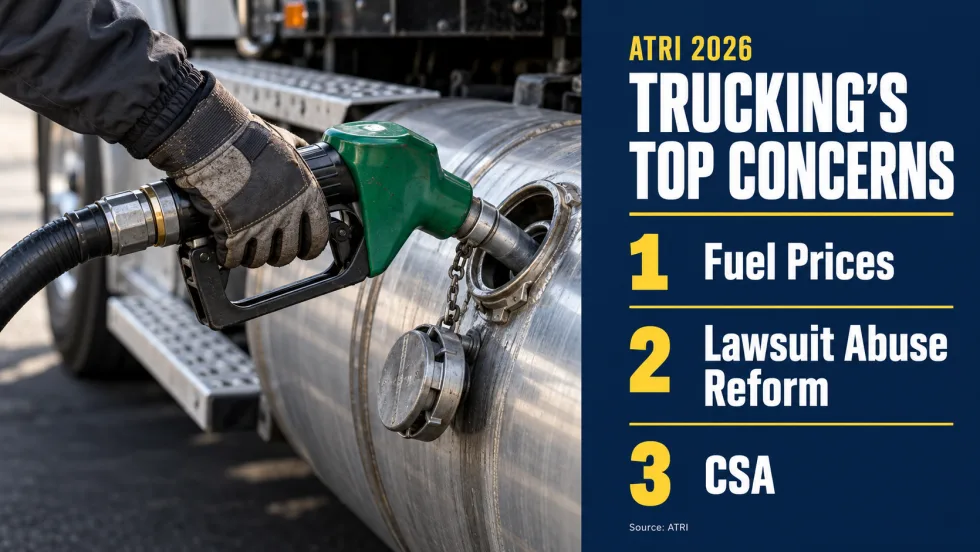
Diesel Prices Hijack Trucking’s Worry List
ATRI’s annual survey finds cautious optimism about freight, but diesel costs, litigation, and insurance continue to squeeze fleets. Drivers have different priorities on several issues.
Read More →
Nomination Deadline Extended for HDT Emerging Leaders
Just a few more days to nominate accomplished trucking fleet professionals under 40 who are making an impact and helping lead the industry forward for the HDT Emerging Leaders award. Deadline extended to October 20!
Read More →
What Will ATA’s New Leader Bring to Trucking's Table?
Incoming President and CEO Mark Colson’s record in Alabama offers clues about his priorities and approach following Chris Spear’s abrupt departure as the head of the American Trucking Associations.
Read More →
Volvo, Waabi Start Commercial Autonomous Operations in Texas
Volvo VNL Autonomous trucks, powered by the Waabi Driver, are hauling freight directly to third-party facilities for a customer in Texas.
Read More →