




Franz Bakery Expands Propane Delivery Trucks to Fleet
Franz Bakery, a long-time advocate for alternative fuels, will add 20 more propane autogas vehicles to its fleet this year.
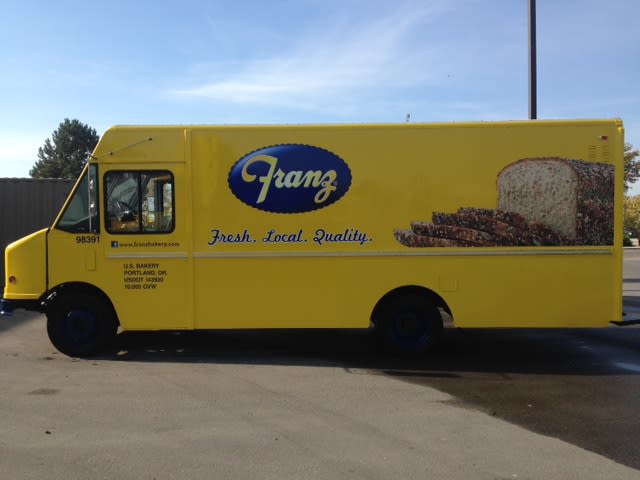
The 20 additional propane autogas vehicles will be converted in the next year. (PHOTO: Franz Bakery)

Franz Bakery, a long-time advocate for alternative fuels, will add 20 more propane autogas vehicles to its fleet this year.
Franz Bakery has used propane autogas vehicles for the past 30 years. In 1994, its efforts in sustainability earned the company the recognition as the “BEST Business for an Environmentally Sustainable Tomorrow” and the “BEST Innovation Award” issued jointly by the City of Portland, the Association for Portland Progress, and the Portland Business Journal.
Now, the company continues its commitment to alternative fuels through a partnership with regional propane autogas supplier Blue Star Gas. In 2012, the Blue Star Gas team converted 10 Franz delivery vehicles to propane autogas using the Prins vapor injection system. The new Alliance Engineered VSI-2 system will be used for the 20 additional delivery vehicles. The bakeries operates a total of about 125 trucks in the Portland area and has a total fleet of 1,770 vehicles.
“Propane autogas has been a great investment for us over the years,” said Tommy Moreno, Franz’s fleet manager. “Yes, it’s good business in terms of what we’re saving in fuel cost compared to gasoline, but the bigger benefit is to the community with our contribution to clean air.”
According to the Propane Education & Research Council, propane autogas emits 11 percent fewer greenhouse gas emissions compared with gasoline and diesel, reducing short-term and long-term health effects in passengers.
“The contribution Franz has made to clean air in Oregon is substantial,” said Darren Engle, director of government relations for Blue Star Gas. “Oregon is a state that places high value on environmental quality and Franz Bakery continues to demonstrate that alternative fuels can reduce emissions, deliver exceptional performance, and add real value to businesses.”
The 20 additional propane autogas vehicles will be converted in the next year.
“In the end I think every business is looking for a better way to do things,” said Moreno. “When people see our delivery trucks around town they can’t see everything that’s gone into that decision. The technological innovations behind the Prins system, the state incentives that helped get these vehicles on the road, or the support of Blue Star Gas that helped make all of those things possible. People simply see us delivering bread, but it’s the way we’re doing it that’s remarkable and something we’re very proud of.”
More Fuel Smarts
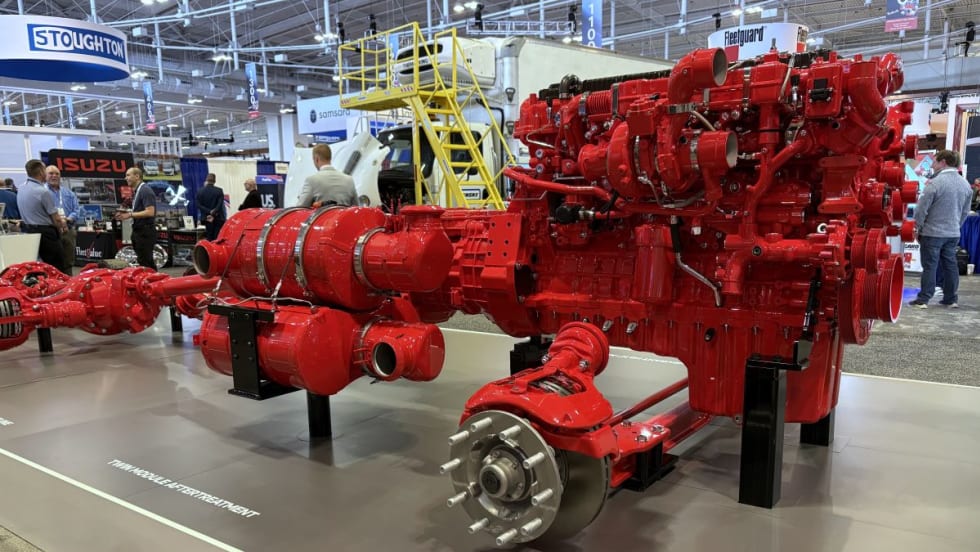
Cummins Adjusts 2027 Engine Rollout After EPA Proposal
The engine maker will gradually introduce its new Model Year 2027 diesel engines while continuing to offer current models during the transition, citing the EPA's proposed emissions rule changes.
Read More →
EPA Proposal Could Ease 2027 Truck Costs and Buying Uncertainty
The proposal doesn't change the tougher NOx standard, but it would revise key implementation requirements that manufacturers say have driven up costs and complicated fleet purchasing decisions.
Read More →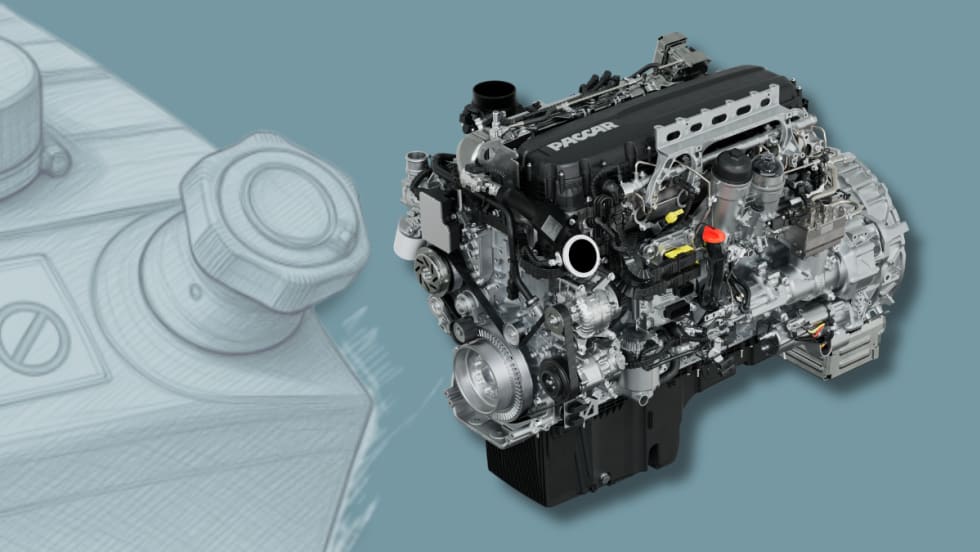
Cummins, Paccar Ease DEF Derates After EPA Guidance
Updated diesel engine software gives truck operators more time to address emissions-system issues while staying compliant with EPA emissions standards.
Read More →
Maintenance in the Messy Middle Part 3: Biodiesel
Biodiesel can reduce emissions, improve fuel-system lubricity and use existing diesel infrastructure. But NACFE’s Messy Middle maintenance report says fleets must actively manage storage, cold-weather operation, filters and oil drain intervals to avoid problems.
Read More →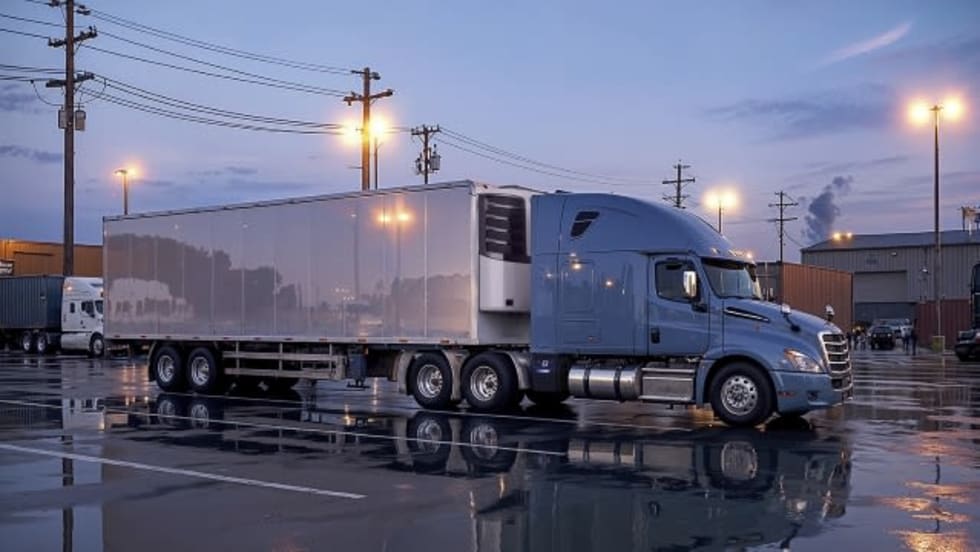
Enhance Fleet Performance with High-Efficiency Auxiliary Power Units
Drive sustainable cost savings while increasing driver comfort during short- and long-haul logistics operations.
Read More →
Maintenance in the ‘Messy Middle’ Part 2: Renewable Diesel Fuel
NACFE's latest Messy Middle Powertrain Service & Maintenance report says renewable diesel gives fleets an opportunity to reduce carbon emissions without changing trucks, fueling infrastructure or maintenance practices. But technicians still need to understand several important operational differences.
Read More →
The Diesel Engine Enters NACFE’s ‘Messy Middle’
NACFE’s new Messy Middle Powertrain Service & Maintenance report says keeping modern diesel engines running now depends as much on software, diagnostics and data as traditional mechanical service.
Read More →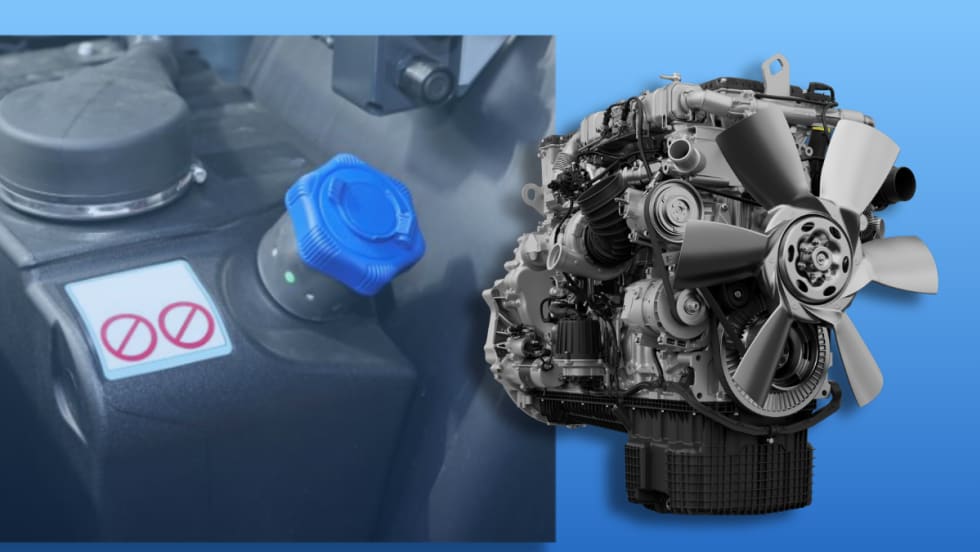
DTNA Software Update Gives Truckers More Time Before DEF Derates Take Effect
The changes reflect EPA guidance aimed at reducing downtime caused by emissions-system faults while maintaining compliance requirements.
Read More →
New Agentic Predictive Maintenance Report Demonstrates How Degraded Aftertreatment Systems Waste Fuel
Questar analyzed a large mixed-class fleet and discovered it was wasting as much as $30 in fuel per vehicle, per day, because of mechanically degraded aftertreatment systems.
Read More →
New York City's Microhub Project is Delivering Results
Trucking, last-mile delivery companies, and environmental advocates like what they are seeing so far with New York's microhub program.
Read More →