




FMCSA Warns of Hazards of E-Smoking and Trucks
The Federal Motor Carrier Safety Administration has issued a safety advisory warning of the hazards of using battery-powered portable electronic smoking devices in and around commercial motor vehicles.

Electronic nicotine-delivery system products Image: FDA

Electronic nicotine-delivery system products Image: FDA
The Federal Motor Carrier Safety Administration has issued a safety advisory warning of the hazards of using battery-powered portable electronic smoking devices (e-cigarettes, e-cigs, e-cigars, e-pipes, e-hookahs, personal vaporizers and other electronic nicotine delivery systems) in and around commercial motor vehicles.
The agency said the use of such devices has resulted in incidents that include explosions, serious personal injuries, and fires.
“The explosions regularly involved the ejection of a burning battery case or other components from the device which subsequently ignited nearby flammable or combustible materials,” FMCSA noted.
While Federal Hazardous Materials Regulations and Federal Motor Carrier Safety Regulations do not specifically address the potential safety risks posed by the portable electronic devices, the agency advised that “motor carriers and drivers should be cognizant of the risks associated with these devices and exercise good judgment and appropriate discretion in their possession, storage, and charging or use on, around, or while operating a CMV, and adhere to the smoking prohibitions on, near, or when loading and unloading a motor vehicle transporting hazardous materials in accordance with 49 CFR 177.834(c) and 397.13.”
More Safety & Compliance
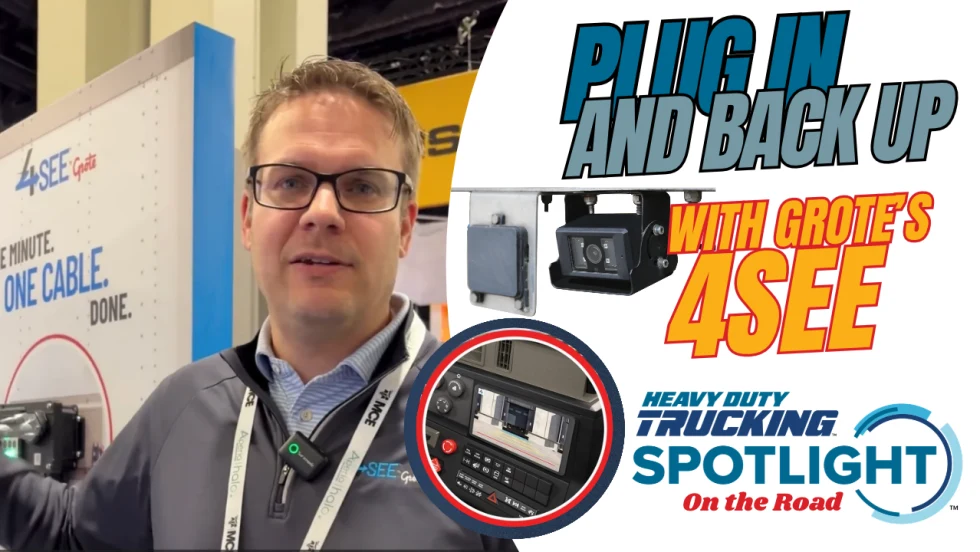
More Trailer Data Through the Same Seven-Way [Video]
Can trucking’s standard seven-way connector handle more cameras and trailer data? Grote’s Adam Slade shows HDT how the company is using new technology with its 4See trailer system, not only to add a new backup camera but also to expand other capabilities — without adding another connection.
Read More →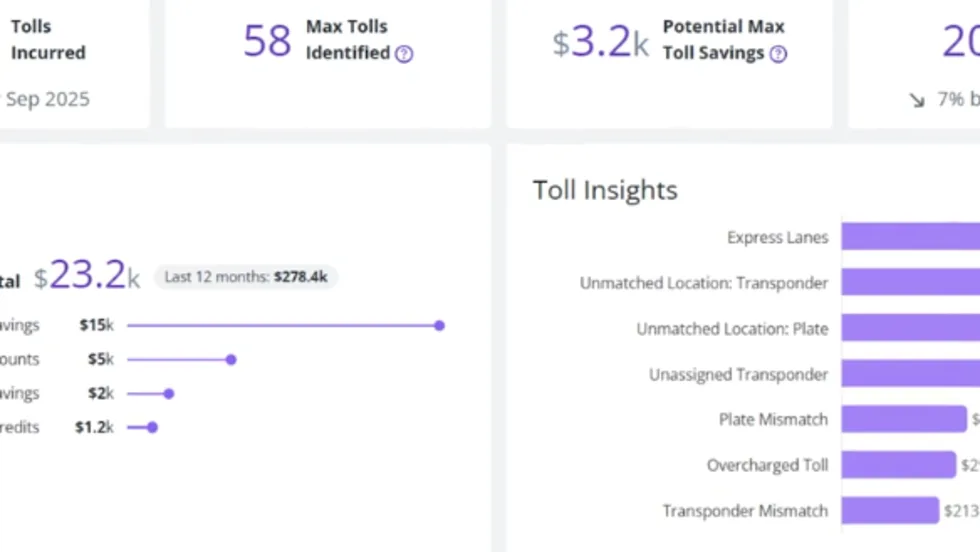
PrePass Intelligence Mines Fleet Bypass, Toll and Safety Data
PrePass Intelligence helps fleets measure bypass savings, flag potential toll overcharges, and spot suspicious transactions by combining data from separate systems.
Read More →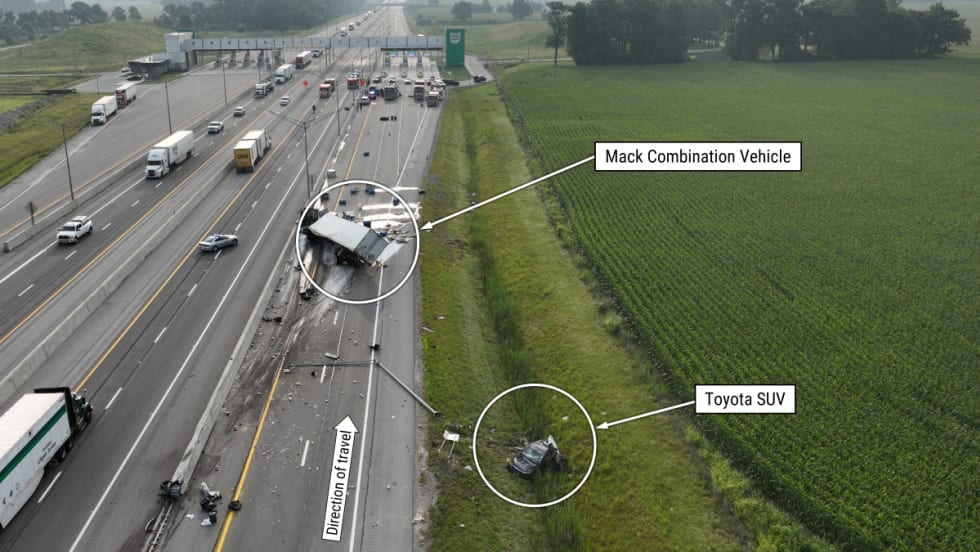
Fatal Crash Exposes Toll Plaza Risks
An NTSB investigation found that last-minute lane changes and large speed differences at an Ohio toll plaza created a hazard the truck driver couldn't avoid in time.
Read More →

When Language Stops the Truck: The Return of ELP Out-of-Service Orders
English language proficiency rules for commercial drivers aren’t new, but renewed out-of-service enforcement has raised the stakes. Here’s what carriers need to know before a driver reaches a roadside inspection.
Read More →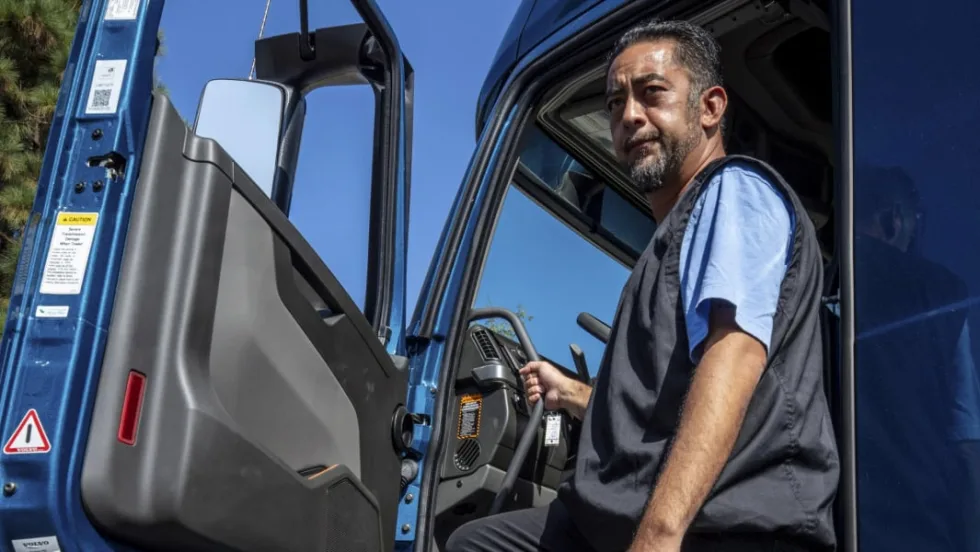
A Camera Isn't a Safety Program. Here's What Brokers Are Screening for Now
Footage alone may not be enough to pass broker vetting processes. Here's what counts as a defensible safety program now.
Read More →
Marijuana and Trucking’s Drug-Testing Dilemma
Marijuana is getting stronger, laws are changing, and drug tests still can’t reliably establish impairment. What does that mean for truck drivers and the fleets that employ them?
Read More →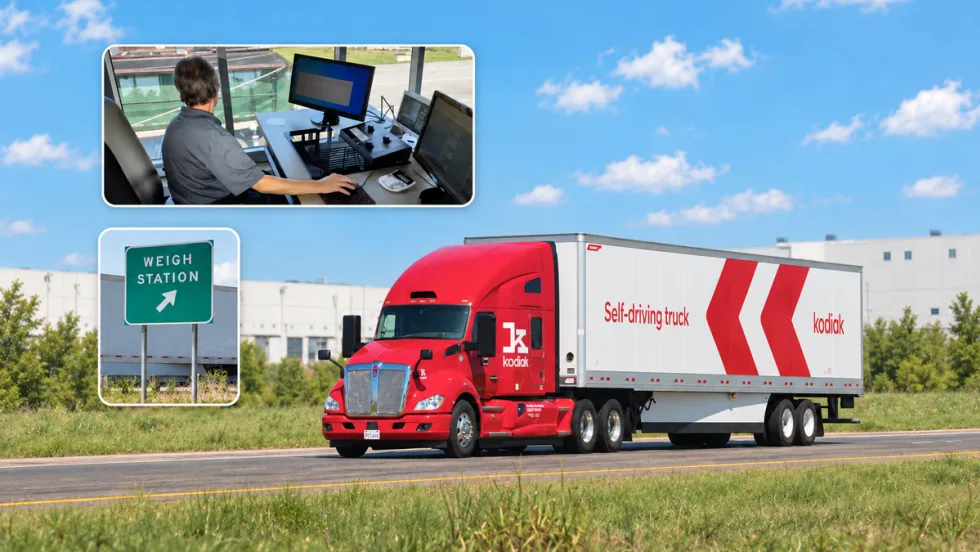
PrePass, Kodiak Connect Driverless Trucks to Roadside Enforcement
The system will allow enforcement agencies to verify Enhanced Inspection information and decide whether Kodiak’s autonomous trucks can bypass roadside screening sites.
Read More →
From One Generation to the Next: How Mentorship Builds Safer Truck Drivers
After three decades in trucking, Harold Perry shares what he's learned about driver safety, mentorship, and helping the next generation build confidence behind the wheel.
Read More →
FMCSA Pauses Biennial-Update Enforcement Amid Motus Transition
Carriers whose updates were due on or after June 1 have more time, while FMCSA works to stabilize its new registration system and warns of phishing sites impersonating its new carrier registration system, Motus.
Read More →
ZF Expands Commercial Vehicle Push in North America
ZF is expanding its North American commercial-vehicle presence with new transmission applications, electrification, trailer technology and autonomous-driving systems.
Read More →