




FMCSA to Let Carriers Dispute Crash Fault
The Federal Motor Carrier Safety Administration will launch on Aug. 1 a demonstration program that will enable motor carriers to dispute the determination of certain truck crashes as “preventable.”

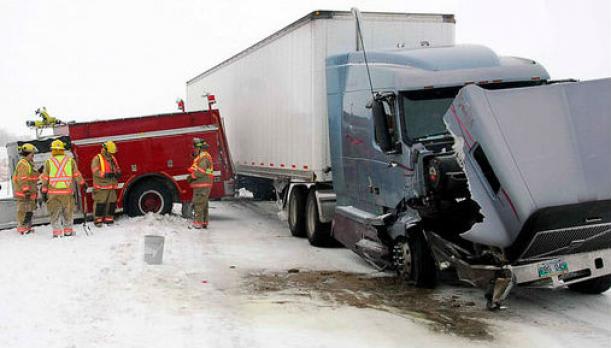
Photo: FMCSA
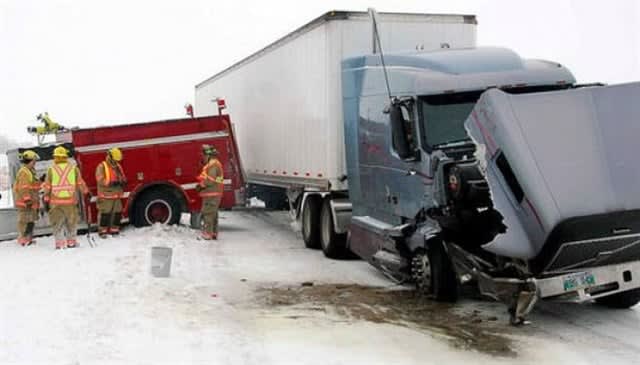
Photo: FMCSA
Following up on a two-year-old proposal, the Federal Motor Carrier Safety Administration will launch on Aug. 1 a demonstration program that will enable motor carriers to dispute the determination of certain truck crashes as “preventable.”
The program could lead to improved Compliance, Safety, Accountability scores for carriers if the agency reclassifies the cause of crashes previously deemed preventable.
Based on recommendations made by the American Trucking Associations and other public comments submitted on an earlier notice about an agency crash-causation study, on July 12, 2016, the agency proposed that it would accept requests from carriers for data review (RDRs) on accident determinations via a demonstration program.
Under this scheme, the agency would accept RDRs “to evaluate the preventability of certain categories of crashes” through its DataQs national data-correction system.
More specifically, FMCSA proposed that a crash challenged through an RDR would be found “not preventable” when documentation submitted with the RDR established that the crash was, indeed, not preventable.
The newly released notice, published in the Federal Register for July 27, gives the Aug.1, start date for the demonstration program and describes the crash types that will qualify for the demo; the process for submitting RDRs to evaluate the preventability of a crash; and how “decisions on preventability” will be displayed in agency systems. It also explains the data to be collected through this program “for use in future decisions about a longer-term crash preventability program.”
As of Aug. 1, carriers may begin submitting RDRs on crashes— which must have occurred on or after June 1, 2017. FMCSA stated that “the burden is on the submitter to show by compelling evidence that the crash was not preventable. However, in these and all crashes, FMCSA reserves the right to request additional information on the crash, which may include any documentation the carrier is required to maintain under the Agency's regulations. Failure to submit documents requested by the Agency may cause the RDR to be closed without a preventability determination.”
The agency also stated that “if, during the demonstration program, a submitter receives a determination that the crash was preventable or undecided, or the RDR is closed for failure to submit additional requested documents, the RDR may be re-opened once and the request reconsidered by FMCSA if additional documentation is submitted.”
In addition, FMCSA said if it reviews a crash and determines it to be “not preventable,” it will post a notification of preliminary determination on DataQs for 30 days. During that time, anyone with documentation or data to refute that determination may go to DataQs and submit documentation that should be considered before a final determination is made.
The agency noted that for this demonstration program, the DataQs system will accept videos 5 MB or smaller in specific video container formats, including MP4, MPG, MKV, AVI, MPEG, and WMV file types.
The following crash types will be eligible for participation in the demo program:
When the commercial motor vehicle was struck by a motorist driving under the influence (or related offense)
When the CMV was struck by a motorist driving the wrong direction
When the CMV was struck in the rear
When the CMV was struck while legally stopped or parked, including when the vehicle was unattended
When the CMV was struck by an individual committing or attempting to commit suicide by stepping or driving in front of the CMV
When the CMV sustained disabling damage after striking an animal in the roadway
When the crash was a result of an infrastructure failure, falling trees, rocks, or other debris
When the CMV was struck by cargo or equipment from another vehicle
FMCSA said the crash preventability demonstration program will gather data that the agency will use "to evaluate if these preventability determinations improve the agency’s ability to identify the highest-risk motor carriers."
More Fleet Management

Color Match Smarter: Tools That Restore & Perform
For fleet managers and collision repair professionals keeping heavy-duty trucks on the road, getting the color right the first time isn't just about appearance — it's about efficiency, turnaround time, and bottom-line results. Discover how today's digital color tools are transforming the repair process from guesswork to precision.
Read More →
FMCSA Pauses Biennial-Update Enforcement Amid Motus Transition
Carriers whose updates were due on or after June 1 have more time, while FMCSA works to stabilize its new registration system and warns of phishing sites impersonating its new carrier registration system, Motus.
Read More →
2026 Blueprint for Countering Smarter Supply Chain Theft
Cargo theft is no longer just the cost of doing business. It's a multi-billion-dollar criminal enterprise exploiting vulnerabilities across your fleet, drivers, and supply chain.
Read More →


How Telematics Improves Visibility, Control, and Performance in Refrigerated Fleets
Explore how telematics help refrigerated fleets improve visibility, uptime, efficiency, compliance, and cargo protection across connected cold chain operations.
Read More →
What the U.S.-Canada Trade War Means for Trucking
Escalating U.S.-Canada tariffs could disrupt cross-border freight, reduce truck volumes, raise costs, and create new uncertainty for carriers on both sides of the border.
Read More →
What Are Trucking’s Top Concerns for 2026?
The American Transportation Research Institute wants to know what's worrying trucking fleet managers, drivers, and other stakeholders in its annual Industry Issues survey.
Read More →
American Trucking Associations Looks for a New Leader
ATA President and CEO Chris Spear abruptly left his job at the association on August 21, at a pivotal time for the trucking industry.
Read More →
Public Wi-Fi Cybersecurity Risks: How Truck Drivers and Fleets Can Protect Their Data
Public Wi-Fi can expose truck drivers and fleets to credential theft, malware, and other cyber threats. Here’s how to reduce the risk on the road.
Read More →
For Nicky Cupp, Fleet Innovation Starts With Frustration
HDT Truck Fleet Innovator Nicky Cupp turns everyday pain points at Fraley & Schilling into opportunities for better technology and smarter processes.
Read More →
Adam Buttgenbach’s Approach to Electric Trucks: Start With Where They Fit
HDT Truck Fleet Innovator Adam Buttgenbach helped PepsiCo build one of North America’s largest EV fleets by focusing on where electric trucks make operational sense.
Read More →