




FMCSA Strategic Plan Proposes Comprehensive Safety Effort
One of the top items on the Federal Motor Carrier Safety Administration's agenda over the next five years is to expand its influence over shippers and receivers. In its draft strategic plan for 2011-2016, the agency introduces the concept of a "commercial motor vehicle transportation life-cycle," which includes not just truck and bus companies but the entities that control or influence those companies
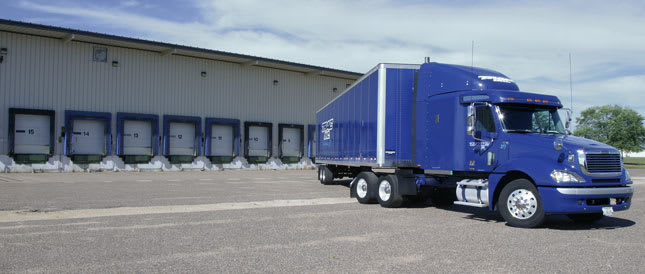
FMCSA wants to expand its influence over shippers and receivers.
One of the top items on the Federal Motor Carrier Safety Administration's agenda over the next five years is to expand its influence over shippers and receivers.
In its draft strategic plan for 2011-2016, the agency introduces the concept of a "commercial motor vehicle transportation life-cycle," which includes not just truck and bus companies but the entities that control or influence those companies.
The greatest potential for improving safety lies in focusing outreach, oversight, and enforcement on everyone who is a part of that cycle, the agency said.
A key strategy will be to identify gaps in its authority that prevent the agency from reaching entities (shippers, receivers, brokers, freight forwarders) that have an influence over safety.
The agency is asking for comments on this and other aspects of the 17-page strategic plan that it posted on its website yesterday.
The plan lists 10 goals, each with the strategies it will pursue to achieve them. Some of these initiatives already are under way, such as the Compliance, Safety, Accountability program, the National Registry of Certified Medical Examiners, and the pending drug and alcohol clearinghouse. But there are some new ideas here, as well:
* Develop a new credentialing standard to make sure that everyone covered by the rules understands the rules. This would be part of an overall effort to raise the bar for entry into the business and prevent carriers from reincarnating themselves in order to dodge enforcement actions.
* Use safety and risk analysis to create a system of enforcement priorities that covers the entire transportation community, including shippers, cargo tank manufacturers or repair facilities and intermodal equipment providers as well as bus and truck operators and drivers.
* Emphasize expanded traffic enforcement for car as well as truck and bus drivers.
* The agency wants to expand the range of its partnerships beyond the enforcement, carrier, medical, and safety advocacy communities to include the judicial, education, insurance and shipping communities.
* The agency will continue looking for incentives to push the use of safety technologies such as collision warning and stability control.
* FMCSA wants to become the authoritative source of safety data, and to assemble all that data in a single system that all can enter.
* Also on the list is continuation and expansion of the effort to research driver risk factors to support rulemakings and promote health, wellness and a culture of safety.
No strategic plan is complete without a reference to self-improvement. For itself, the agency wants to clean up its regulatory closet by getting rid of obsolete or conflicting rules, and get better at hiring new people. Among its goals: get onto the Top 10 of the Best Places to Work in the Federal Government.
For a copy of the plan, go to www.fmcsa.dot.gov/rules-regulations and click on Notices. Comments are due by July 29.
More Drivers
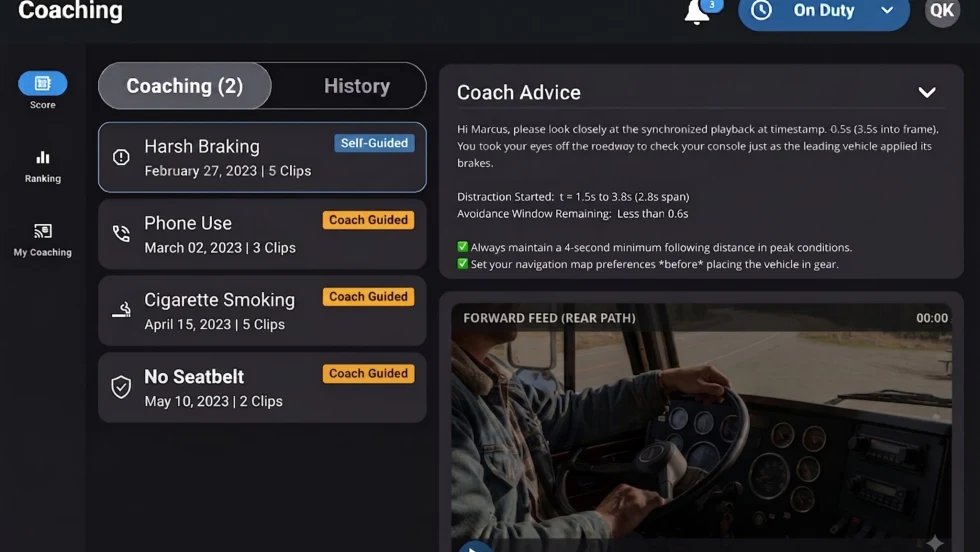
Platform Science Adds Dispatch and Safety Tools
Four additions to PS Fleet help fleets monitor loads, manage driver coaching, share truck locations and adjust video system settings.
Read More →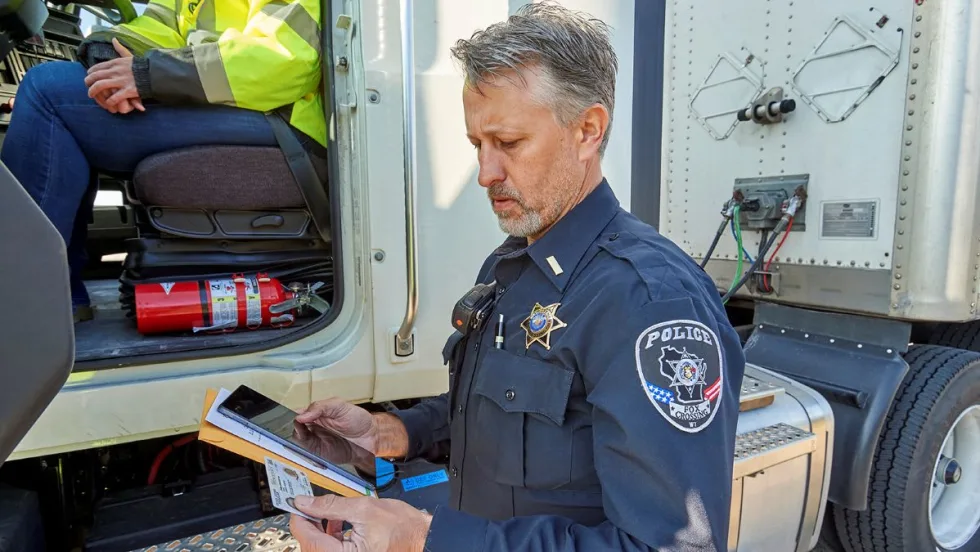
When Language Stops the Truck: The Return of ELP Out-of-Service Orders
English language proficiency rules for commercial drivers aren’t new, but renewed out-of-service enforcement has raised the stakes. Here’s what carriers need to know before a driver reaches a roadside inspection.
Read More →
Samsara Launches Custom AI Agent Builder
Agent Studio lets fleets create AI tools for hours-of-service monitoring, reporting and driver support, including agents that communicate by phone.
Read More →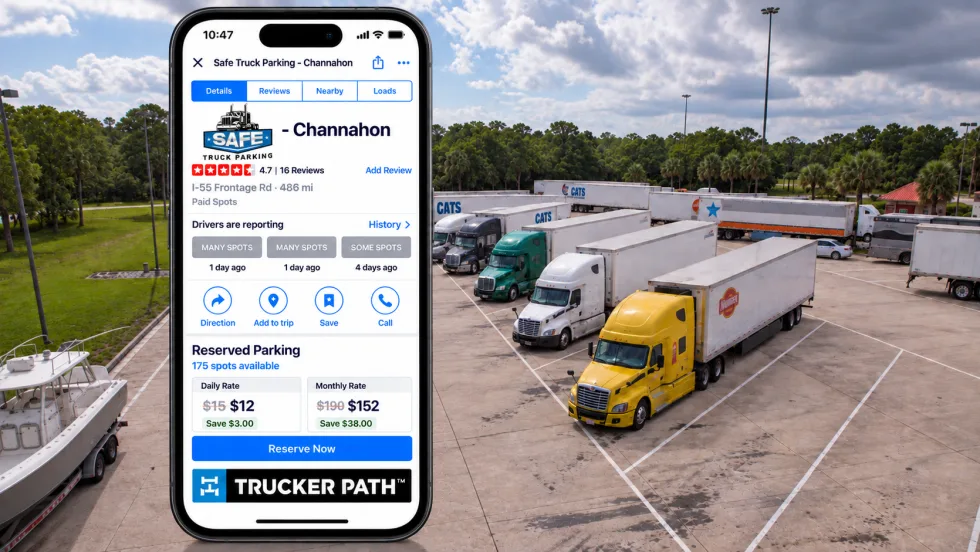
Trucker Path Expands Reserved Parking Network
Trucker Path has added close to 6,000 more truck parking spaces to its Trucker Path Reserved Parking Network with the addition of Safe Truck Parking.
Read More →
EEOC Sues Texas Trucking Company Over Driver Age Limits
The agency says Trancasa USA rejected applicants over 65 and applied tougher driving-record standards to those over 60.
Read More →
Nussbaum, Roehl Announce Second Driver Pay Increase This Year
This year has seen a swath of major truck driver pay increases as freight capacity has tightened.
Read More →
From One Generation to the Next: How Mentorship Builds Safer Truck Drivers
After three decades in trucking, Harold Perry shares what he's learned about driver safety, mentorship, and helping the next generation build confidence behind the wheel.
Read More →
Truck Drivers Need More Than Another Alert
Fleets have more visibility into truck health, safety events, and driver activity than ever. The next challenge is turning all that information into useful guidance for the person who has to decide what to do next.
Read More →
FMCSA Removes 110 Truck Driver Training Schools from Certified ELDT List
Federal regulators also are targeting more than 160 additional training providers and launching a nationwide audit of third-party CDL skills testers as part of a broader crackdown on trucking fraud.
Read More →
Hours of Service Pilot Programs: FMCSA Readies for 2027 Rollout
Two pilot programs could eventually reshape hours-of-service rules, giving truck drivers options to pause their 14-hour clock or use longer split sleeper rest periods.
Read More →