




FMCSA Proposes Electronic Logbook Regulations
The Federal Motor Carrier Safety Administration just unveiled its proposal for mandatory electronic logbooks, or "Electronic Logging Devices," for interstate commercial truck and bus drivers.
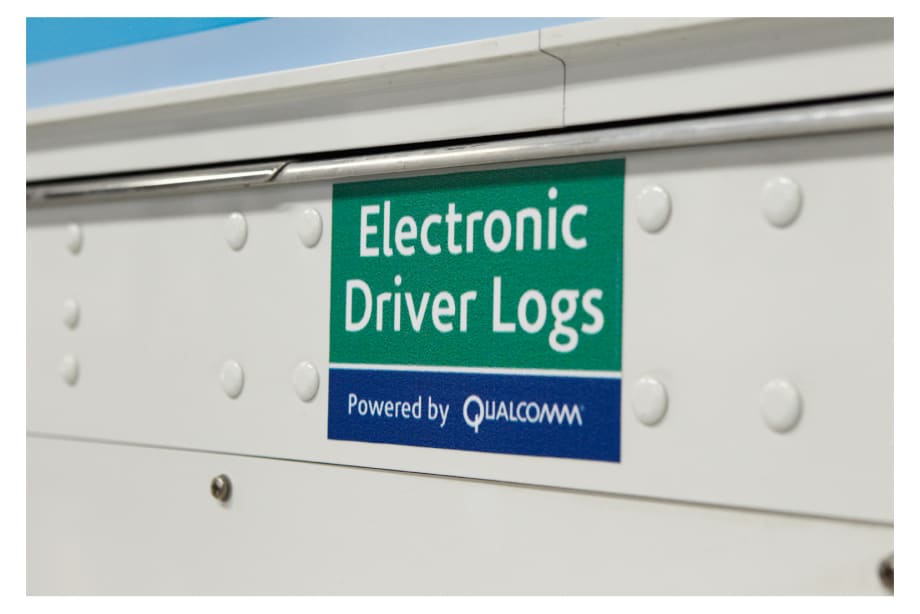
Electronic logs are currently optional but have been adopted by many fleets.

The Federal Motor Carrier Safety Administration on Thursday unveiled its proposal to require interstate commercial truck and bus companies to use Electronic Logging Devices in their vehicles to improve compliance with the safety rules that govern the number of hours a driver can work.
FMCSA contends the proposal would significantly reduce the paperwork burden associated with hours-of-service recordkeeping -- the largest in the federal government following tax-related filings -- and improve the quality of logbook data.
The agency claims the proposed rule will reduce hours-of-service violations by making it harder for drivers to misrepresent their time on logbooks and avoid detection by the agency and law enforcement personnel. FMCSA says analysis shows the proposed regulation would help reduce crashes by fatigued drivers and prevent approximately 20 fatalities and 434 injuries each year for an annual safety benefit of $394.8 million.
The proposed rule also includes provisions to:
Respect driver privacy by ensuring that ELD records continue to reside with the motor carriers and drivers. Electronic logs will continue to only be made available to FMCSA personnel or law enforcement during roadside inspections, compliance reviews and post-crash investigations.
Protect drivers from harassment through an explicit prohibition on harassment by a motor carrier owner towards a driver using information from an ELD. It will also establish a procedure for filing a harassment complaint and creates a maximum civil penalty of up to $11,000 for a motor carrier that engages in harassment of a driver that leads to an hours-of-service violation or the driver operating a vehicle when they are so fatigued or ill it compromises safety. The proposal will also ensure that drivers continue to have access to their own records and require ELDs to include a mute function to protect against disruptions during sleeper berth periods.
Increase efficiency for law enforcement personnel and inspectors who review driver logbooks by making it more difficult for a driver to cheat when submitting their records of duty status and ensuring the electronic logs can be displayed and reviewed electronically, or printed, with potential violations flagged.
In developing the updated proposal, FMCSA relied on input from its Motor Carrier Safety Advisory Committee, feedback from two public listening sessions and comments filed during an extended period following the 2011 proposed rule. The proposal also incorporates the mandates included in the most recent transportation bill, the Moving Ahead for Progress in the 21st Century Act, and other statutes.
Read more in-depth coverage from Washington Editor Oliver Patton in this updated story.
More Drivers
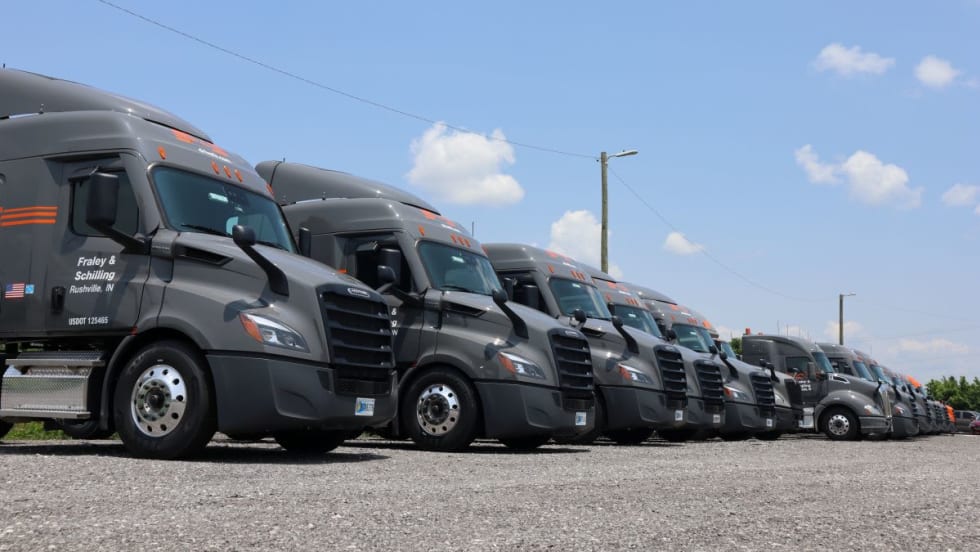
How Fraley & Schilling Improved Logbook Compliance by Over 50%
Fraley & Schilling needed a way to close a compliance workflow gap in its ELD system without adding more work from driver training, reminders, and back-office follow-ups. It found the answer in a custom driver app.
Read More →
Volvo Goes Gaming
Volvo has roared into American Truck Simulator with two new flagship trucks.
Read More →
What the Best Fleets to Drive For Teach About Driver Retention
Survey fatigue, AI-powered routing, owner-operator expectations, and the decline of social media all emerged as themes from this year's Best Fleets to Drive For program.
Read More →
Driver Retention Lessons From the Best Fleets to Drive For
What separates trucking's best workplaces from the rest? Jane Jazrawy shares the biggest lessons from this year's Best Fleets to Drive For program on driver retention, communication, AI, and workforce trends on the HDT Talks Trucking podcast.
Read More →
Farewell, CDL: Why I'm Giving Up My Commercial Driver's License
After more than 20 years as a CDL holder, HDT Executive Editor Jack Roberts is letting his commercial license expire. Not because he wants to — but because trucking's nuclear verdict crisis has made the risks of public-road test drives too great for editors, manufacturers, and everyone involved.
Read More →
How Top Trucking Fleets Improve Driver Retention [Video]
What do healthy snacks, optimized routing, and just picking up the phone have in common? They're all strategies the Best Fleets to Drive For are using to retain truck drivers.
Read More →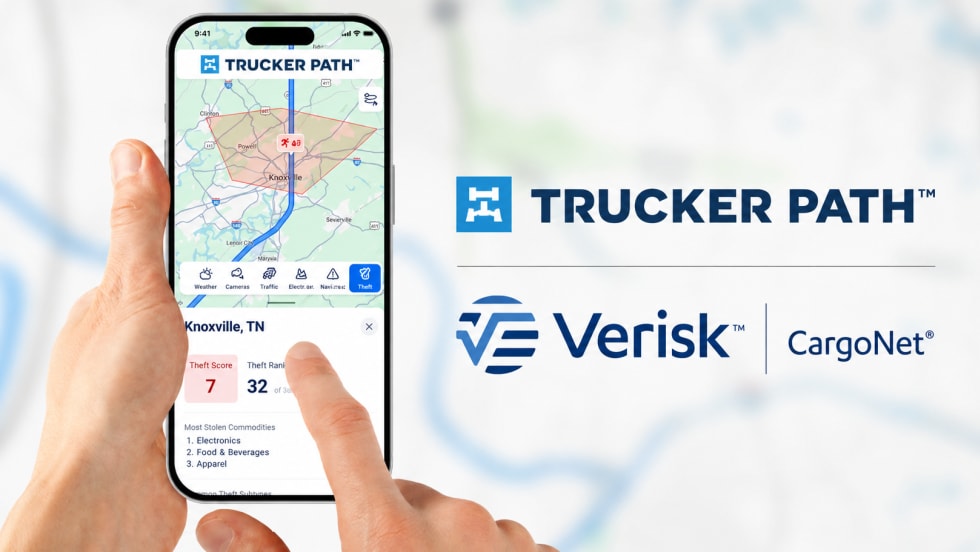
Trucker Path Adds Verisk CargoNet Theft Data to Navigation Platform
Trucker Path’s new cargo theft risk overlays give drivers and fleets visibility into high-risk areas, stolen commodity trends, and theft hotspots.
Read More →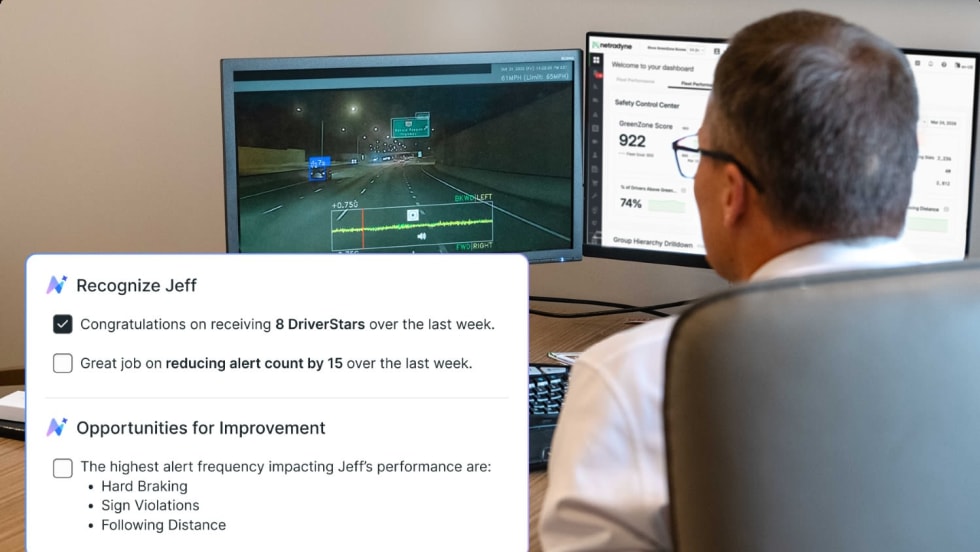
Netradyne Intelligence Uses New AI Agents to Automate Response to In-Cab Camera Data
The company called the next-generation in-cab camera safety platform "a fundamental shift from systems that report on what happened to systems that actively drive what should happen next."
Read More →
Why Truck Detention Keeps Costing Fleets Time and Money
A 2024 ATRI study found detention affects nearly 40% of truckload stops and costs the industry more than $15 billion annually. Despite the toll on drivers, fleets, and supply chains, the problem remains stubbornly persistent.
Read More →
Prime Inc. to Open $7.9M Flagship Used-Truck Dealership
A new driver-focused facility to sell Prime Inc's used trucks and trailers will be the first purpose-built location in the company's history.
Read More →