




FMCSA Committee Tasked with Picking Rules to Cut
The Federal Motor Carrier Safety Administration has begun to take specific action to comply with President Trump’s Executive Order 13771 requiring agencies relieve businesses of burdensome regulations.

Image: Federal Motor Carrier Safety Administration
Image: Federal Motor Carrier Safety Administration
The Federal Motor Carrier Safety Administration has begun to take specific action to comply with President Trump’s Executive Order 13771 requiring agencies relieve businesses of burdensome regulations.
To that end, the agency gave a presentation on June 12 to the appointed members of its Motor Carrier Safety Advisory Committee, which has been tasked with making recommendations on which federal highway safety rules might be eliminated.
“To introduce a new FMCSA assignment to the Motor Carrier Safety Advisory Committee members, agency staff prepared a short PowerPoint presentation outlining some possible 'regulatory relief' candidates that could be suggested or included in response to the Presidential Executive Order," FMCSA spokesman Duane DeBruyne told HDT.
"MCSAC, which is comprised of a broad representation of all of FMCSA's stakeholders, is now tasked to come up with their own independently derived recommendations," he added.
The presentation laid out 12 commercial-vehicle rules that FMCSA staff had determined were candidates for being dropped. MCSAC’s task is not easy, given that all the rules in place were implemented with a safety purpose in mind.
Some of the dozen rules were selected by the agency for regulatory review by the committee because they are simply outdated or because they are no longer enforced for one reason or another.
For example, per the presentation, the Motor Carrier Routing Regulations (under Part 325) could be dropped as they are a remnant of the shuttered Interstate Commerce Commission and therefore it is questionable whether they still serve a purpose. It was suiggested their elimination would simplify regulations and have no significant economic impact.
Other rules proposed for the chopping block by agency staff include measures touching on other reporting requirements and some requirements covering medical records, employment application, and road test results for non-CDL drivers, as well as some cooperating agreements with states.
The presentation closes with these three “next steps” to consider for the regulatory reform process to go forward:
Conduct outreach with additional stakeholders
Place DOT notice seeking public comment in the Federal Register
FMCSA Rulemaking Planning
While FMCSA staff did suggest that MCSAC members consider eliminating the set of 12 particular rules presented, DeBruyne stressed that it remains the committee’s task now “to independently come up with recommendations in response to the Presidential Executive Order.”
More Fleet Management
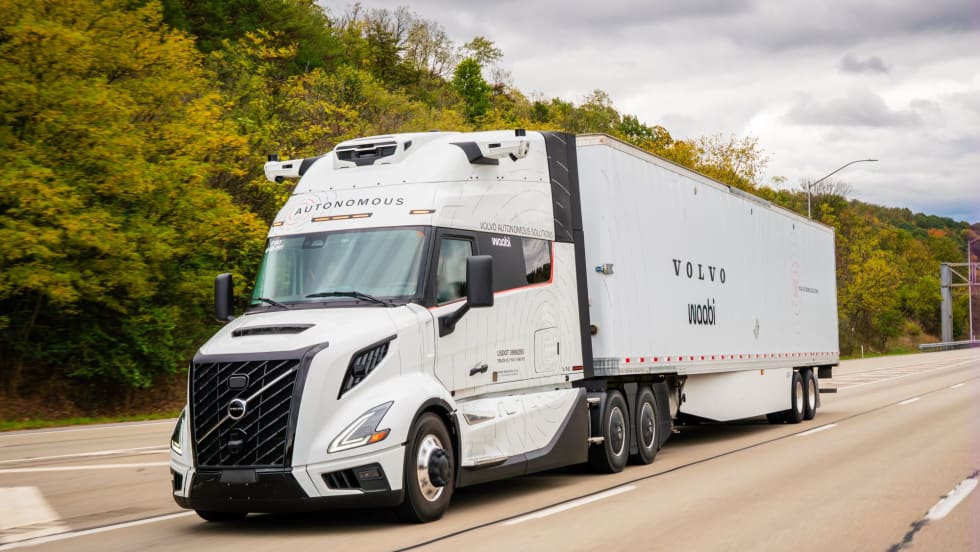
Volvo, Waabi Start Commercial Autonomous Operations in Texas
Volvo VNL Autonomous trucks, powered by the Waabi Driver, are hauling freight directly to third-party facilities for a customer in Texas.
Read More →
Samsara Launches Custom AI Agent Builder
Agent Studio lets fleets create AI tools for hours-of-service monitoring, reporting and driver support, including agents that communicate by phone.
Read More →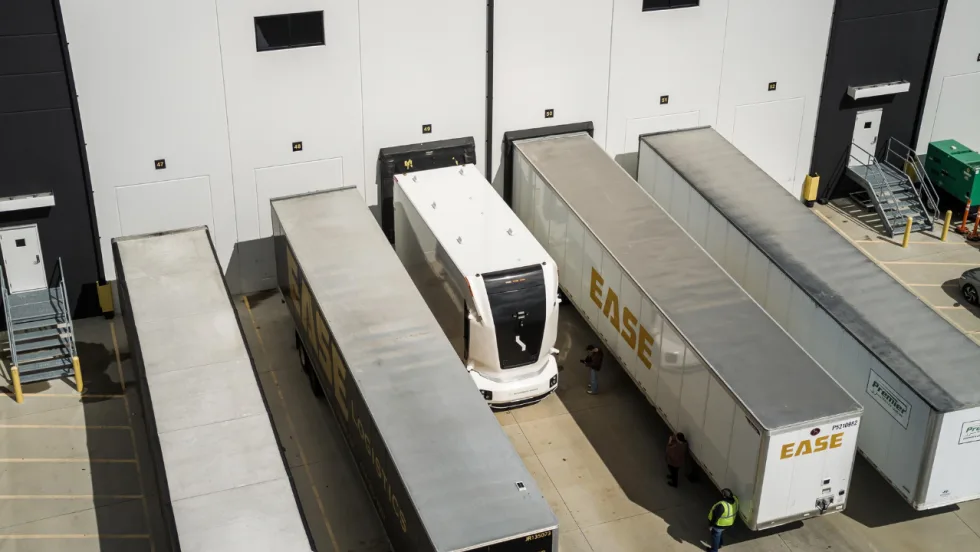
Einride Driverless Electric Trucks Begin Daily Freight Operations in Ohio
Two cabless electric trucks are hauling freight between EASE Logistics facilities in Marysville, Ohio, as part of a multi-state truck automation project.
Read More →

Geotab Links Fleet Card to Vehicle Data
The new card combines fuel discounts with telematics-based purchase controls. Geotab’s analysis also points to potential savings from choosing lower-priced fuel stops.
Read More →
How MFA Helps Protect Trucking Fleets
Multi-factor authentication adds protection when passwords are stolen. Here’s how it works and where fleets should start.
Read More →
How Better Freight Data Helps Trucking Teams Get Ahead of Disruption
Trucking and logistics teams have plenty of data. The problem is getting the right information in front of the right people soon enough to act. Better-connected data can help teams spot trouble earlier and make smarter decisions before small problems become big ones.
Read More →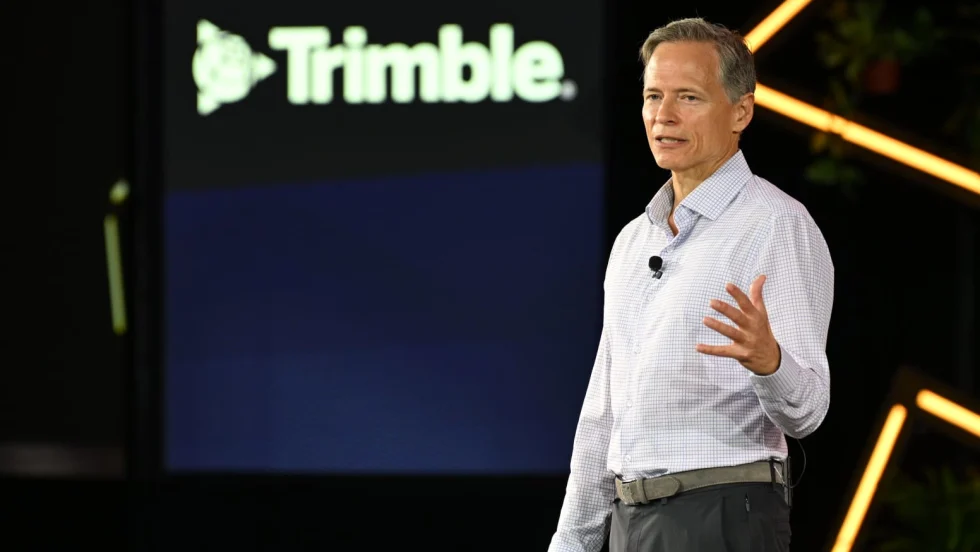
Trimble: Taking Artificial Intelligence in Trucking Beyond Faster Tasks
At Insight 2026, Trimble executives argued that fleets may need to redesign workflows to get more from AI as it introduced new products and enhancements. AI’s value will depend on how fleets combine automation with their people's knowledge.
Read More →
Build a bulletproof fleet: Uniting ELDs and dash cams for total compliance
An ELD can prove compliance, but it cannot always prove what happened on the road. Discover how uniting accurate ELD data with AI-powered dash cam video can help your fleet strengthen compliance, defend against liability, protect drivers and reduce operational costs.
Read More →
Nominations Open for HDT Emerging Leaders
Heavy Duty Trucking is looking for accomplished trucking fleet professionals under 40 who are making an impact and helping lead the industry forward.
Read More →
Why Private Fleets Are Taking More Freight
Private fleets are putting their own trucks on demanding customers and high-cost lanes as companies seek greater control over service, costs, and capacity.
Read More →