




A number of fleets are tackling one of the leading causes of driver injuries through information and education.
LTL carrier Yellow Freight reduced cab exit injuries more than 50% in the past year, partly by having supervisors ride herd on drivers who were making a habit of jumping from cabs instead of using the recommended three-point system, according the Wall Street Journal.
ABF Freight, another LTL carrier, tells drivers to keep hands free by leaving logbooks on the seat when they exit.
A recent study by Liberty Mutual Insurance Co. was the first to quantify the impact forces generated when a driver leaps or falls from a cab. The study showed drivers put as much as 12 times their body weight on their ankles, knees and lower back when they jump from a cab or the rear of a trailer. By using the three-point method for exiting (three limbs are in contact with the vehicle at all times) impact was reduced by 80%.
Injuries around the truck are a significant part of many fleets' safety costs. A Bureau of Motor Carrier Safety study of 46 large fleets indicated falls from vehicles accounted for 14% of all personal injuries to drivers, 10% of all workers compensation losses, and 11% of all medical costs. A review of Liberty Mutual's workers compensation claims for a four-year period showed the average cost of a vehicle fall was around 24% higher than for other injury types.
Liberty Mutual says fleets can reduce the risk of injuries by taking time to address unsafe exiting from trucks and by making sure vehicles were fitted with suitable steps and handles to allow a safe exit.
For more information, call Liberty Mutual's research center at (508) 435-9061, ext. 310.
Fleets Focusing On Cab Exit Injuries
A number of fleets are tackling one of the leading causes of driver injuries through information and education.
More Safety & Compliance

Deadline Extended for HDT Truck Fleet Innovators Nominations
Heavy Duty Trucking has extended the deadline for nominations for its Truck Fleet Innovators awards. The deadline has been extended to May 22.
Read More →
Supreme Court Ruling Puts Freight Broker Vetting Practices in Spotlight
The unanimous SCOTUS ruling in the closely watched Montgomery v. Caribe case allows state negligence claims against freight brokers that hire unsafe motor carriers, raising new liability and vetting concerns among brokers.
Read More →
The Truck Safety Tech K&B Transportation Says Is Making a Difference [Watch]
Can technology help prevent truck crashes? In this HDT Talks Trucking Short Takes episode, K&B Transportation explains how it’s using cameras, speed management tools, cellphone-blocking technology, and other systems to improve safety and reduce risk across its fleet.
Read More →
Listen: Inside Modern Fleet Safety: AI, Cameras & Speed Control at K&B Transportation
Fleet safety is evolving fast—and technology is at the center of it. Learn how a former commercial vehicle enforcement officer turned director of safety at K&B Transportation is embracing real-world safety technology.
Read More →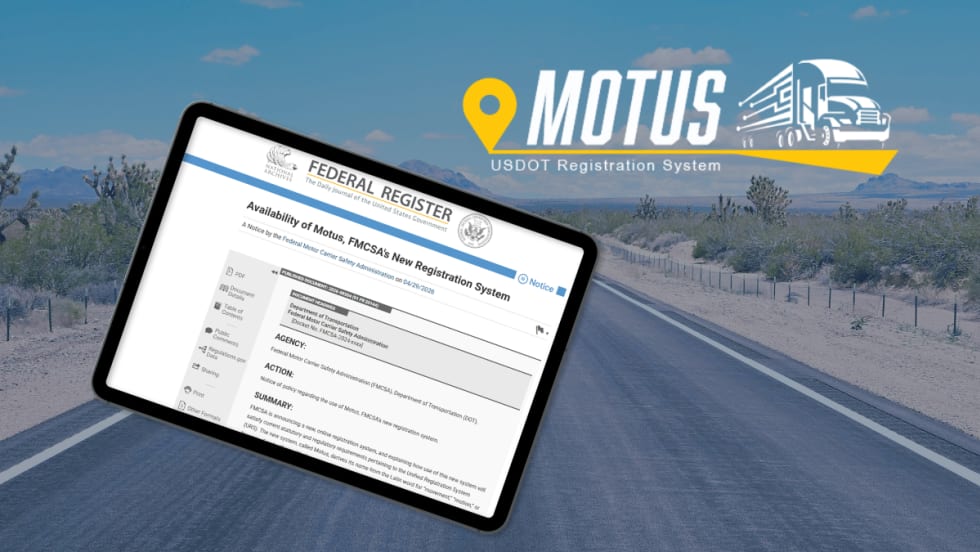
FMCSA’s Motus System Is Coming. What Fleets Need to Know Now
FMCSA's long-awaited registration system promises a single portal — and tighter fraud controls. And there are steps you need to take by May 14.
Read More →
Avoiding Winter Pileups: Don’t Become the Next Link in the Crash-Chain
Winter roadway “pileups” aren’t one crash — they’re a chain reaction. Here’s what triggers them, how truck drivers can spot the danger early, and what to do if you're suddenly trapped in the mess.
Read More →
Freightliner Expands Detroit Assurance with New Intersection and Turning Safety Tech
Detroit’s next-generation ABA6 safety system adds cross-traffic detection and enhanced side guard assist with left-turn protection, targeting high-risk urban scenarios.
Read More →
'Beyond Compliance,' Regulations, Driver Coaching on ATRI’s 2026 Research List
The American Transportation Research Institute will examine driver coaching, regulatory impacts — including the "Beyond Compliance" concept —and weather disruptions that shape trucking operations.
Read More →
FMCSA Revamps DataQs to Improve Fairness, Speed of Reviews
New requirements add firm deadlines and independent review steps, addressing long-standing complaints about inconsistent rulings and slow response times.
Read More →
FMCSA Extends Paper Medical Card Exemption … Again
Five states still aren't ready to accept commercial driver medical exam information directly from the medical examiner's registry.
Read More →