




EPA Will Not Enforce 300-Unit Limit on Glider Kits Through 2019
The Environmental Protection Agency said it will not enforce for 2018 and 2019 a 300-unit production cap put in place on the manufacture of glider kits that do not comply with Phase 2 GHG emission rules.

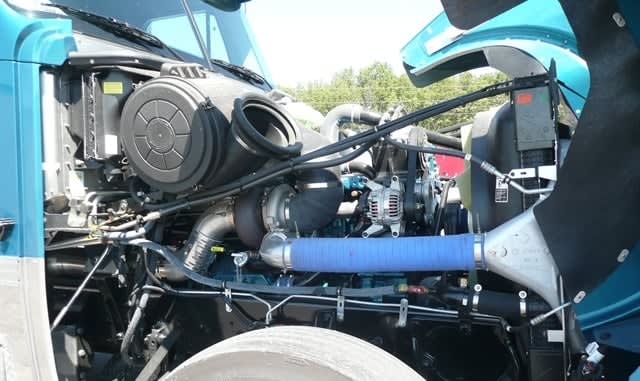
EPA will not enforce for 2018 and 2019 a 300-unit cap on the manufacture of glider kits.
Photo: Tom Berg
The Environmental Protection Agency said it will not enforce for 2018 and 2019 a 300-unit production cap put in place on the manufacture of glider kits that do not comply with Phase 2 GHG emission rules.
EPA said the action is being taken because it is working to finalize a proposed rule to repeal “certain emission requirements” on glider kits that were imposed under the Phase 2 rules, which were put in place in 2016. News of the enforcement loophole was broken by The New York Times one day after theresignation of EPA Administrator Scott Pruitt on July 5.
EPA Press Secretary Molly Block told HDT on July 9 that back in November, the agency proposed to “repeal certain emission requirements for gliders. This proposal also contemplated as alternatives or additional measures an extension of compliance deadlines, and raising the cap on the number of gliders allowed to be built by small manufacturers.” (Per Block, a “small” manufacturer is one defined as such by the Small Business Administration.)
In July 2017, after Fitzgerald Glider Kits petitioned EPA to do so, the agency announced it intended to revisit the Phase 2 glider kit provisions. In November, the agency issued its official proposal to entirely repeal emission requirements for glider vehicles, glider engines, and glider kits.
The repeal proposal came out only weeks before the 300-unit glider cap was to take effect on Jan. 1 of this year, which is the driving factor behind the newly announced enforcement pause.
“The [Phase 2] requirements in question first took effect in January 2017, and limit the number of new glider vehicles that small manufacturers can produce and sell without being subject to additional requirements,” stated Block. “The limit took effect in two stages. In 2017, small manufacturers were limited to the number of gliders they built in their biggest production year between 2010 and 2014. In 2018, small manufacturers are limited to no more than 300 gliders" by the rule.
She said EPA took into consideration “public comments received as well as engagement with stakeholders” before determining that “additional evaluation of a number of matters is required before it can take final action on one or more aspects of the [repeal] proposal."
However, it should be noted that, per The Washington Post, a Sept. 11 letter to then-EPA chief Pruitt urged him not to revisit the rule, contending that glider kits “should not be used for circumventing purchase of currently certified powertrains.” The letter was signed by executives from Volvo Group North America, Cummins, and Navistar. The companies noted that they were joining the Truck and Engine Manufacturers Association, the American Trucking Associations, and the Truck Rental and Leasing Association in supporting the Phase 2 mandate as written.
“Until a final rule can be completed to bring regulatory certainty to glider manufacturers,” Block stated, “the agency is considering interim steps to reduce severe impacts on the industry. First, EPA is considering an extension of the compliance date, which would set a new effective date of Dec. 31, 2019. And, second, the agency is exercising its enforcement discretion in 2018 and 2019 for small manufacturers who limit production to the interim cap provided in 2017.”
The decision to not enforce the existing Phase 2 limits on glider kits means that, for at least the next two years, a manufacturer may produce as many gliders as it did during its biggest production year between 2010 and 2014.
More Equipment
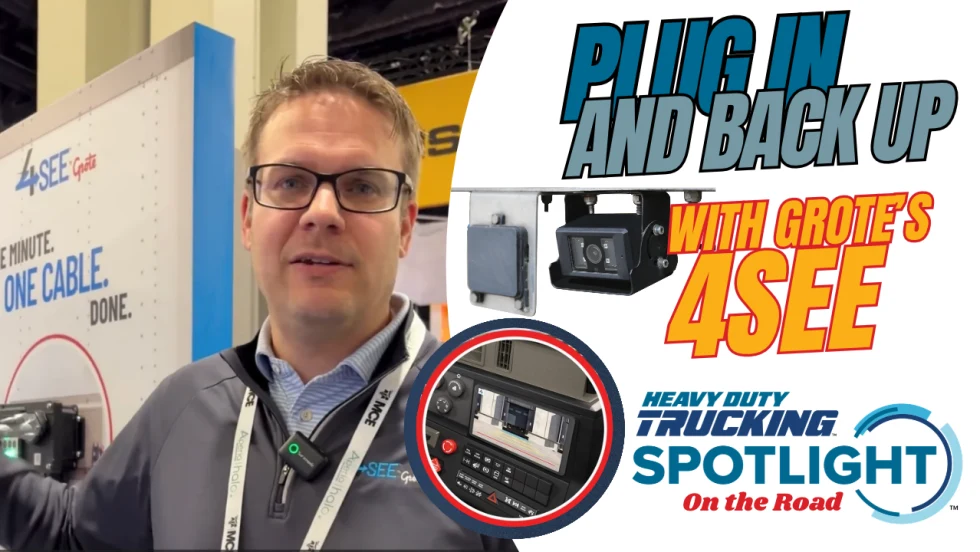
More Trailer Data Through the Same Seven-Way [Video]
Can trucking’s standard seven-way connector handle more cameras and trailer data? Grote’s Adam Slade shows HDT how the company is using new technology with its 4See trailer system, not only to add a new backup camera but also to expand other capabilities — without adding another connection.
Read More →
Grote: More Cameras, Same Seven-Way Connector
The next-generation 4See rear-view backup camera from Grote uses the standard seven-way connector and supports additional cameras and other trailer data.
Read More →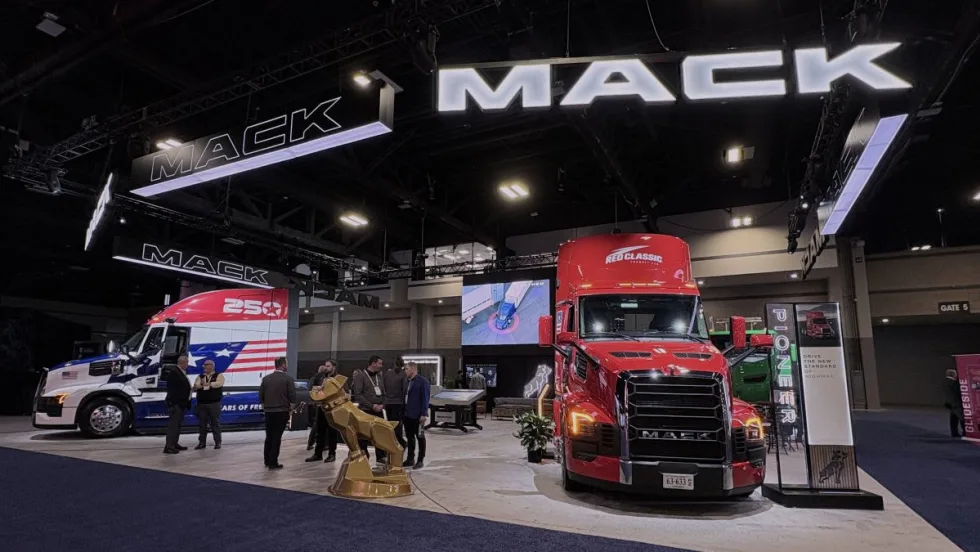
Trucks at ATA's 2026 MC&E in Charlotte, North Carolina [Photos]
From rigs decked out in patriotic America's 250 paint schemes to autonomous trucks and more, check out these photos from ATA's 2026 Management Conference & Exhibition.
Read More →
Help HDT Find Trucking’s Top Products
Have you come across a new product that could make a difference for trucking fleets? Nominate it for HDT’s 2027 Top 20 Products Awards by November 9.
Read More →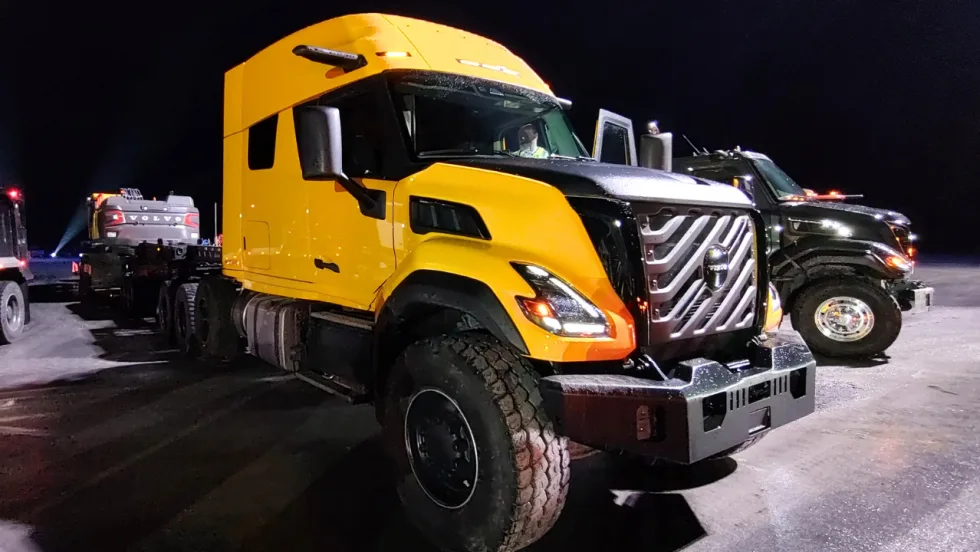
Volvo Unveils New VNX Heavy-Haul and Vocational Truck
Volvo Trucks has launched the VNX, a new vocational truck also available as a tractor in day cab and two sleeper configurations, with one heavy-haul model. The Volvo VNX is powered by Volvo's D13 platform, which delivers up to 540 horsepower and 1,950 pound-feet of torque and is EPA 2027-compliant.
Read More →
How GP Transco Cuts Trucking Fuel Costs, a Tenth of a Gallon at a Time
What’s another tenth of a mile per gallon worth? GP Transco shares how equipment upgrades and driver coaching turn small gains into meaningful fuel savings.
Read More →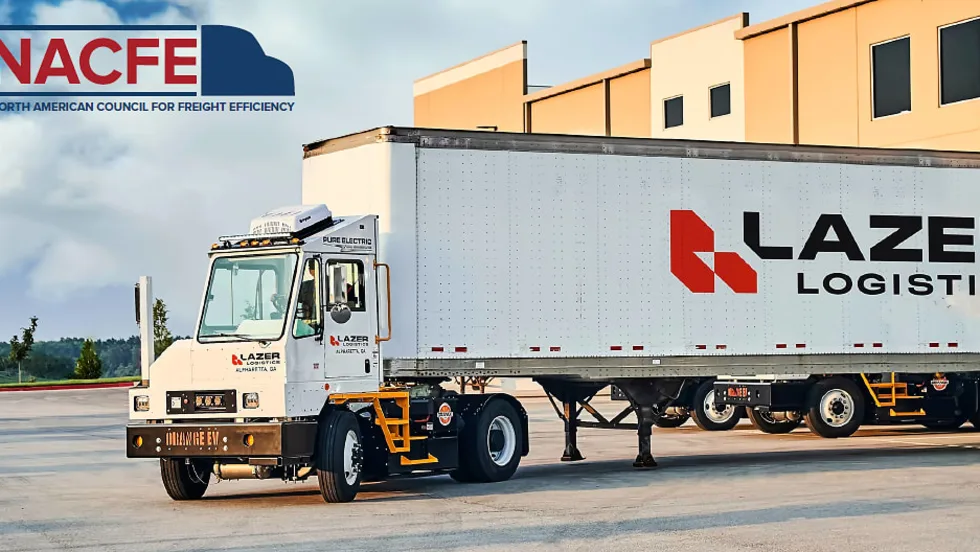
Electric Yard Tractors Move Beyond Pilots
Operating-cost savings have overtaken sustainability goals as the leading reason surveyed fleets are adopting battery-electric terminal tractors, according to new NACFE research.
Read More →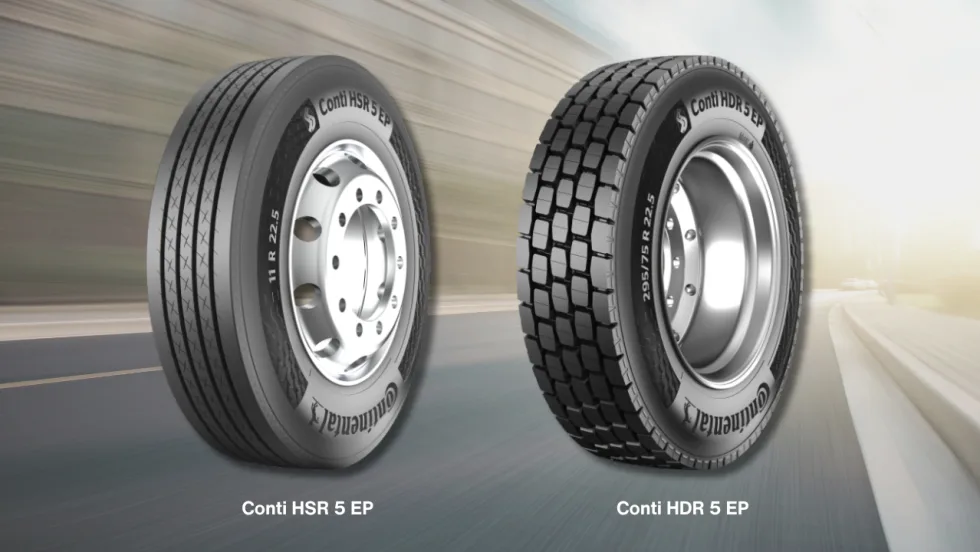
Continental Introduces New Regional Truck Tires
Continental says its new Generation 5 steer and drive tires for regional operations offer longer tread life, with estimated mileage gains of 22% and 19%, respectively.
Read More →
Tekmodo Introduces CargoBright Brand for Translucent Trailer Roofs
CargoBright is designed to diffuse daylight across the cargo area while performing as a working vehicle roof.
Read More →
Fleet Economics Shape Electric Truck Outlook
ACT Research expects costs, charging infrastructure, and technology improvements to drive zero-emission commercial vehicle adoption as federal regulations and incentives retreat.
Read More →