




EPA Not Backing off GHG Rules for Trailers, Glider Kits
EPA and NHTSA have again indicated they intend to regulate truck trailers and glider kits under their Phase 2 proposal for limiting the GHG emissions and fuel consumption of on-highway trucks.

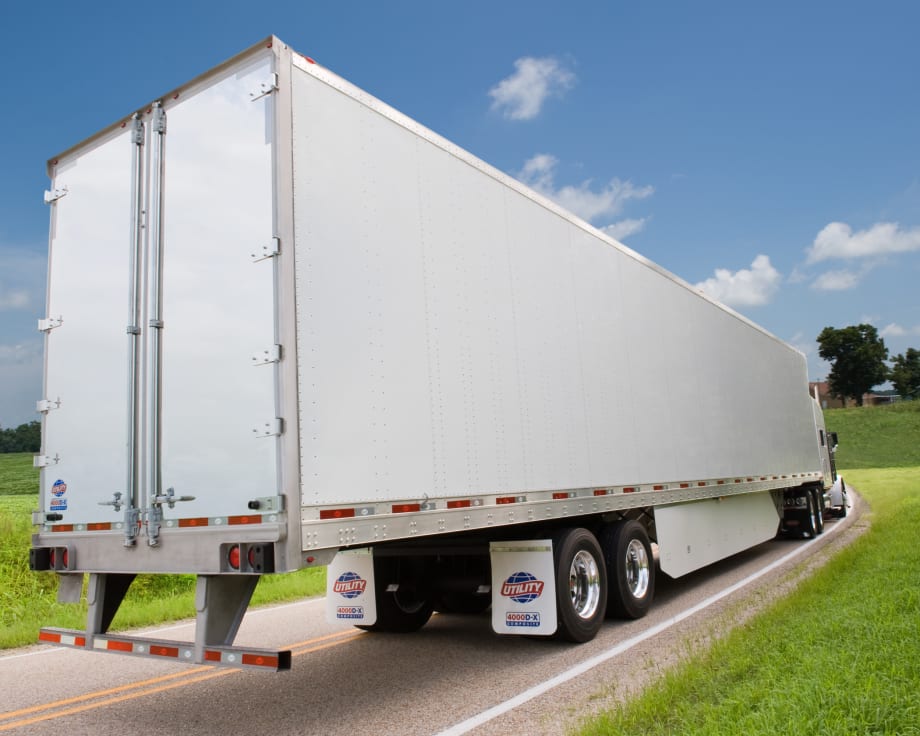
Photo: Utility Trailer Manufacturing
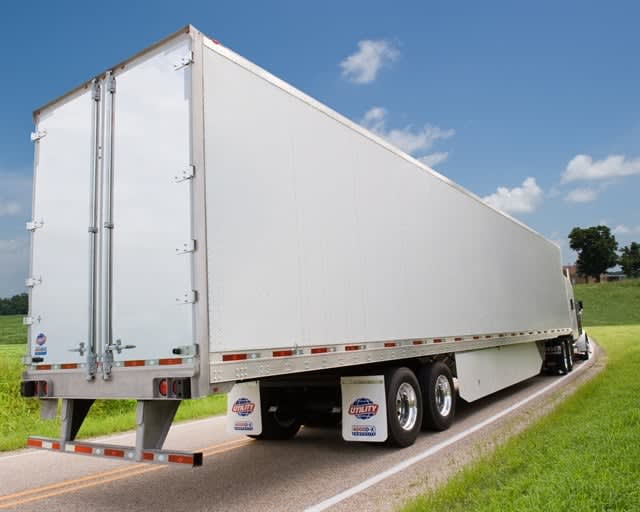
Photo: Utility Trailer Manufacturing
Another indication that the federal government may indeed regulate truck trailers— and tractor glider kits, too— under the Phase 2 GHG/MPG mandate came in the form of a “Notice of Data Availability” on the proposed rule jointly issued by the Department of Transportation and the Environmental Protection Agency.
Directed at those choosing to provide comment on the proposed rule, the agencies said that new “data and memoranda” has been placed in the Phase 2 rulemaking’s public docket.
The updated information touches on a range of elements of the proposal, including the “applicability of emission standards and certification responsibilities for trailers, glider vehicles, and glider kits.”
In a separate development, EPA has produced a “draft memorandum” that affirms its authority to regulate manufacturers of trailers and of glider kits concerning GHG emission limits, according to a recent Transport Topics news story.
Back in February, Utility Trailer Manufacturing stated that it, along with an industry association, had argued in their public comments on the GHG rule that the Clean Air Act limits the EPA to regulating powered vehicles, not trailers.
“EPA overstepped its authority because trailers are not motorized vehicles,” said Jeff Bennett, Utility’s vice president for engineering and product development, during a Feb. 15 webinar. “And there’s no legal basis for regulating trailers.”
Bennett also contended that EPA and NHTSA have greatly overestimated average highway speeds for trailers. The agencies claim in the Phase 2 proposals that trailers cruise at 65 mph for 86% of the time; and at 55 mph for 9% of the time and 5% at other speeds. But data given to Utility by three major fleets show that traffic congestion, delays at loading docks, and time parked in yards and terminals limit average speeds to much lower levels, according to Bennett.
The federal proposal calls for setting CO2 limits for 2021- to 2027-model trucks and tractors and 2018- to 2027-model-year trailers as entire vehicles – but also would set separate engine fuel-efficiency standards for light-, medium-, and heavy-duty vehicles.
The new standards would regulate trailers for the first time and would make glider kits subject to GHG limits. As proposed, the rule would require, starting in 2018, that engines used in glider kits meet the same standards as new vehicles.
Comments on the proposed Phase 2 GHG/MPG rule are due on or before April 1.
Comments, identified by Docket ID No. EPA–HQ– OAR–2014–0827 (for EPA’s docket) and NHTSA–2014–0132 (for NHTSA’s docket) may be submitted by one of the following methods:
Online via www.regulations.gov. Follow the on-line instructions for submitting comments.
Email to a-and-r-docket@epa.gov.
Mail to EPA: Air and Radiation Docket and Information Center, Environmental Protection Agency, Mailcode: 28221T, 1200 Pennsylvania Ave. NW., Washington, DC 20460. NHTSA: Docket Management Facility, M–30, U.S. Department of Transportation, West Building, Ground Floor, Rm. W12–140, 1200 New Jersey Avenue SE., Washington, DC 20590.
Hand Delivery to EPA: EPA Docket Center, EPA WJC West Building, Room 3334, 1301 Constitution Ave. NW., Washington, DC 20460. NHTSA: West Building, Ground Floor, Rm. W12–140, 1200 New Jersey Avenue SE., Washington, DC 20590.
More Fleet Management
Why This Trucking Recovery Is Different
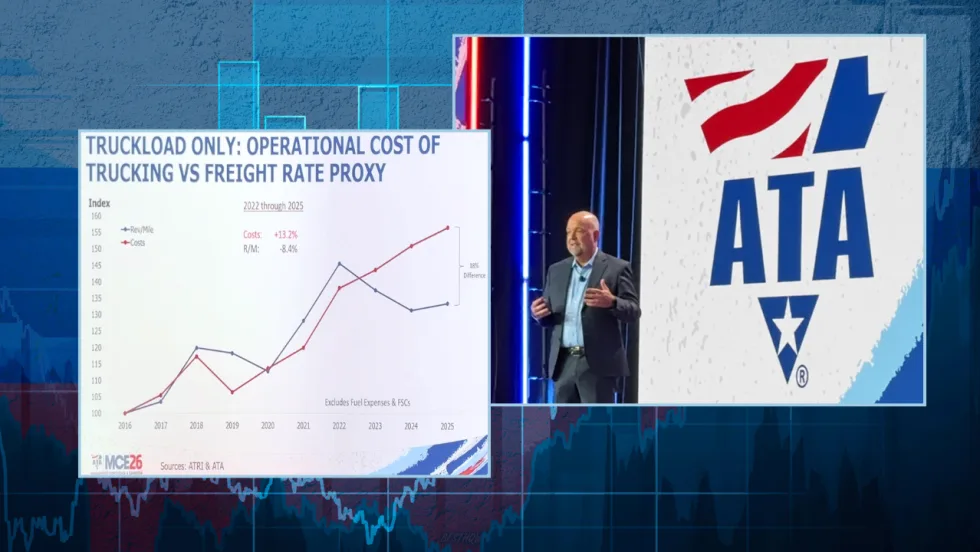
Freight demand remains sluggish, but rising costs and tougher enforcement have taken enough capacity out of the market to change the outlook for motor carriers.
Read More →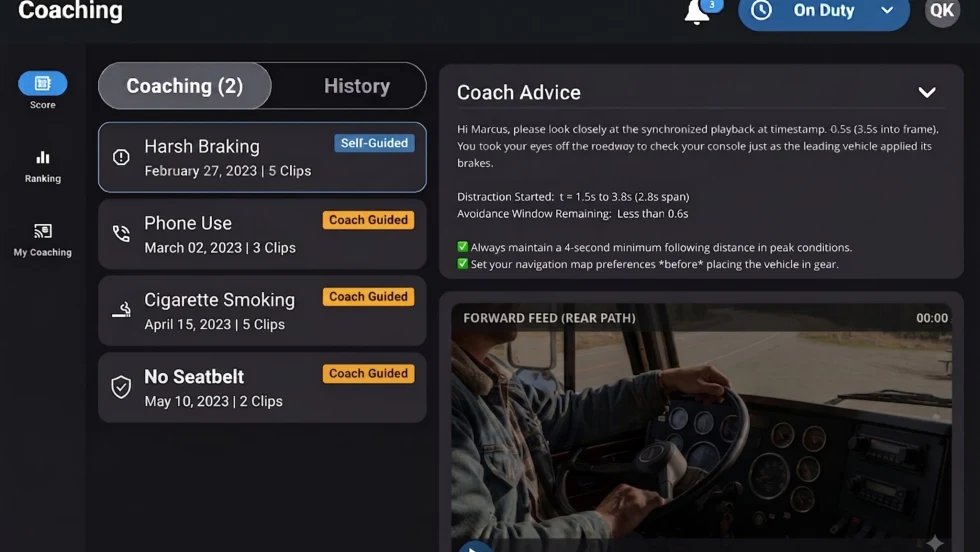
Platform Science Adds Dispatch and Safety Tools
Four additions to PS Fleet help fleets monitor loads, manage driver coaching, share truck locations and adjust video system settings.
Read More →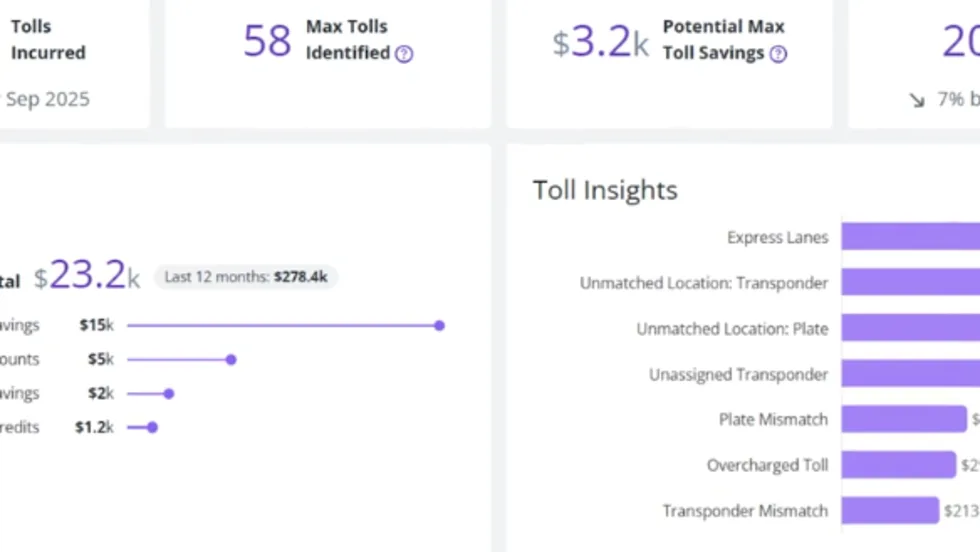
PrePass Intelligence Mines Fleet Bypass, Toll and Safety Data
PrePass Intelligence helps fleets measure bypass savings, flag potential toll overcharges, and spot suspicious transactions by combining data from separate systems.
Read More →
Motive Adds AI Agents for Fleet Operations
New tools automate follow-up on fleet data, from maintenance work orders to driver alerts, with two-way voice conversations planned for later this year.
Read More →
Can You Beat Our Trucking Trivia Challenge?
Test your truck knowledge with 19 trivia questions from Heavy Duty Trucking Exchange. Can you keep up with the fleet pros?
Read More →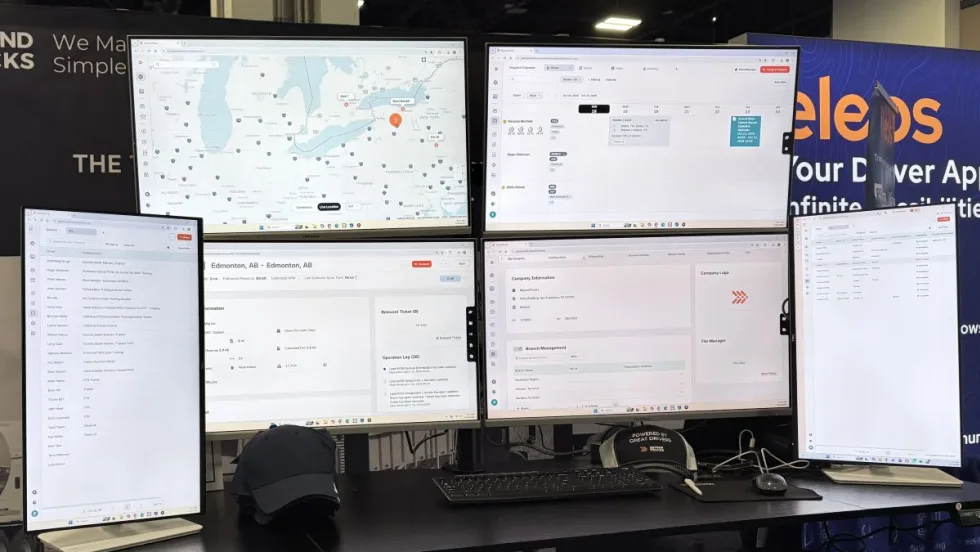
BeyondTrucks Adds Rules Checks to Dispatch
New Compatibility Engine checks driver qualifications, equipment requirements and fleet policies before loads are dispatched.
Read More →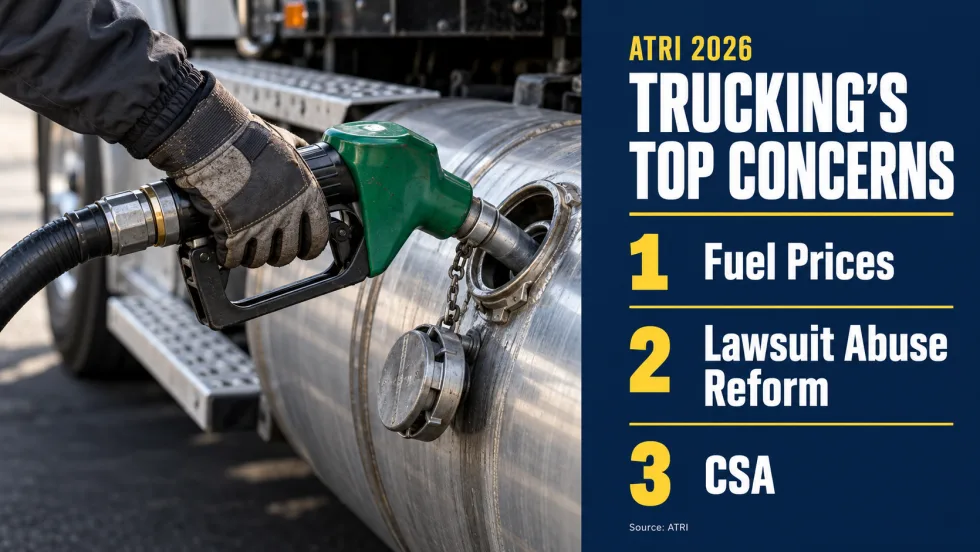
Diesel Prices Hijack Trucking’s Worry List
ATRI’s annual survey finds cautious optimism about freight, but diesel costs, litigation, and insurance continue to squeeze fleets. Drivers have different priorities on several issues.
Read More →
Nomination Deadline Extended for HDT Emerging Leaders
Just a few more days to nominate accomplished trucking fleet professionals under 40 who are making an impact and helping lead the industry forward for the HDT Emerging Leaders award. Deadline extended to October 20!
Read More →
What Will ATA’s New Leader Bring to Trucking's Table?
Incoming President and CEO Mark Colson’s record in Alabama offers clues about his priorities and approach following Chris Spear’s abrupt departure as the head of the American Trucking Associations.
Read More →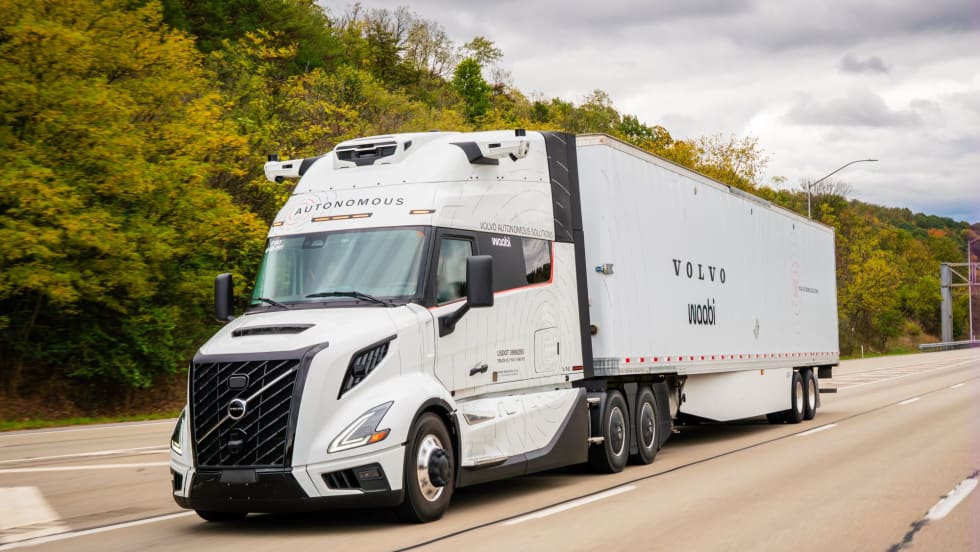
Volvo, Waabi Start Commercial Autonomous Operations in Texas
Volvo VNL Autonomous trucks, powered by the Waabi Driver, are hauling freight directly to third-party facilities for a customer in Texas.
Read More →