




EMA to Work with EPA on Proposed Diesel NOx Rule for 2024
The U.S. Environmental Protection Agency has announced that it will begin work on a new proposed rule aimed at setting lower standards for NOx diesel emissions from heavy-duty diesel engines beginning in model year 2024.

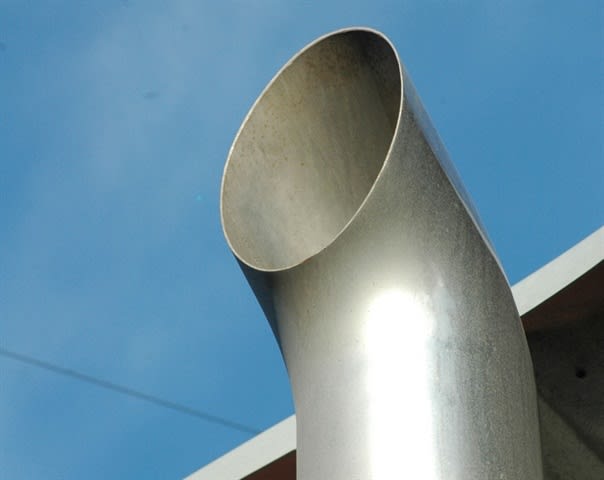
EPA said its new proposed rule to further reduce diesel NOx emissions by 2024 was spurred by several state and city petitions from around the country. Photo: Jim Park
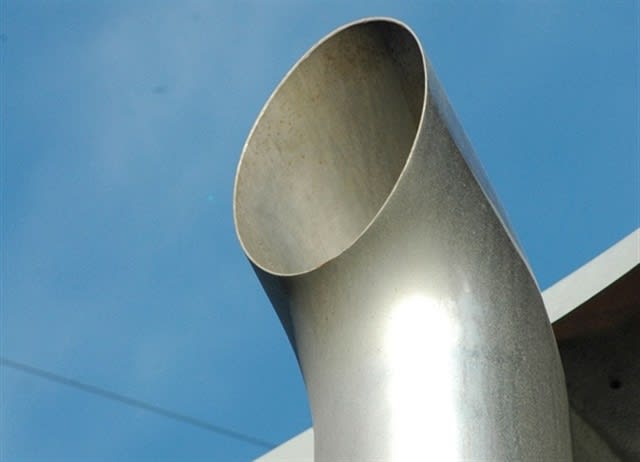
EPA said its new proposed rule to further reduce diesel NOx emissions by 2024 was spurred by several state and city petitions from around the country. Photo: Jim Park
If you thought the EPA 2010 diesel exhaust emissions rules were the last you’d ever hear about reducing the nitrous oxide levels coming out of your trucks’ exhaust stacks, take a deep breath of clean air and think again.
Earlier this week, the U.S. Environmental Protection Agency announced that, in response to petitions filed by several states, including New York, Connecticut, Washington, Rhode Island, Massachusetts and Vermont, as well as cities with persistent smog problems such as Los Angeles and San Jose, Calif., it would begin work on a new proposed rule aimed at setting lower standards for NOx diesel emissions from heavy-duty diesel engines beginning in model year 2024.
EPA said the initiative is in keeping with its Clean Air Act mandates, which require it to revise standards occasionally to ensure it is doing everything possible to protect public health. The agency noted it has been 16 years since it last revised its NOx standards for heavy-duty diesel engines.
Industry response to the announcement centered on the Truck and Engine Manufacturers Association (EMA), which announced it would cooperate with EPA and the California Air Resources Board to determine if new regulations are warranted and can be implemented in a fashion that keeps costs and exhaust complexity at a minimum for North American fleets and other end users.
“Currently, we don’t know the answer to those questions and we need data to help us understand what improvements are possible,” said Jed Mandel, EMA president. “We are willing to cooperate and work in conjunction with anyone in the industry to address these issues.
"We do think there is some room for improvement on the current regulations," he continued. "And we want to have a hand in the process because if there are going to be new standards, we feel it is much better for our members to have one Federal standard to contend with, as opposed to several individual state standards spread out all over the country.”
Mandel said he agrees with EPA’s estimate that it will take at least two years to research the potential for new regulations and come up with a reasonable path forward to attain them, should they become law.
“We have a lot of work to do on this initiative,” he noted. “But my sense at the moment is there may be several, little things we can do in real-world trucking operations that will satisfy the EPA’s desire for further NOx reductions without putting undue strain on fleets and other businesses that depend on diesel trucks.”
Sean Waters, director of regulatory affairs and product compliance for Daimler Trucks North America, told HDT that the OEM “will collaborate with EPA, CARB and other stakeholders on potential future NOx regulations and work to ensure that such reductions do not jeopardize future CO2 and fuel economy reductions.”
More Fleet Management

Color Match Smarter: Tools That Restore & Perform
For fleet managers and collision repair professionals keeping heavy-duty trucks on the road, getting the color right the first time isn't just about appearance — it's about efficiency, turnaround time, and bottom-line results. Discover how today's digital color tools are transforming the repair process from guesswork to precision.
Read More →
FMCSA Pauses Biennial-Update Enforcement Amid Motus Transition
Carriers whose updates were due on or after June 1 have more time, while FMCSA works to stabilize its new registration system and warns of phishing sites impersonating its new carrier registration system, Motus.
Read More →
2026 Blueprint for Countering Smarter Supply Chain Theft
Cargo theft is no longer just the cost of doing business. It's a multi-billion-dollar criminal enterprise exploiting vulnerabilities across your fleet, drivers, and supply chain.
Read More →


How Telematics Improves Visibility, Control, and Performance in Refrigerated Fleets
Explore how telematics help refrigerated fleets improve visibility, uptime, efficiency, compliance, and cargo protection across connected cold chain operations.
Read More →
What the U.S.-Canada Trade War Means for Trucking
Escalating U.S.-Canada tariffs could disrupt cross-border freight, reduce truck volumes, raise costs, and create new uncertainty for carriers on both sides of the border.
Read More →
What Are Trucking’s Top Concerns for 2026?
The American Transportation Research Institute wants to know what's worrying trucking fleet managers, drivers, and other stakeholders in its annual Industry Issues survey.
Read More →
American Trucking Associations Looks for a New Leader
ATA President and CEO Chris Spear abruptly left his job at the association on August 21, at a pivotal time for the trucking industry.
Read More →
Public Wi-Fi Cybersecurity Risks: How Truck Drivers and Fleets Can Protect Their Data
Public Wi-Fi can expose truck drivers and fleets to credential theft, malware, and other cyber threats. Here’s how to reduce the risk on the road.
Read More →
For Nicky Cupp, Fleet Innovation Starts With Frustration
HDT Truck Fleet Innovator Nicky Cupp turns everyday pain points at Fraley & Schilling into opportunities for better technology and smarter processes.
Read More →
Adam Buttgenbach’s Approach to Electric Trucks: Start With Where They Fit
HDT Truck Fleet Innovator Adam Buttgenbach helped PepsiCo build one of North America’s largest EV fleets by focusing on where electric trucks make operational sense.
Read More →