




Economic Watch: Retail Prices Tame, Beige Book Shows Improvements
A rebound in fuel prices helped push overall retail prices higher in March,, but inflation remains about as far from a threat as possible to the U.S. economy, according to a new Commerce Department report.



A rebound in fuel prices helped push overall retail prices higher in March but inflation remains about as far from a threat as possible to the U.S. economy, according to a new Commerce Department report.
The Consumer Price Index increased just 0.1% from the month before, less than many analysts were expecting, following a 0.2% decline in February.
Over the past 12 months the CPI has increased just 0.9%, down from a one-year rate of 1% in February.
Core prices, which strip out volatile food and energy costs, rose 0.1% in March, the smallest gain since last August. That followed a 0.3% February gain.
The minimal rise in consumer inflation reinforces the conclusion of waning price pressures drawn Wednesday following an unexpected drop in the Producer Price Index, according to Lindsey Piegza, chief economist at Stifel Fixed Income.
“With sustained low energy costs, negative import prices and faltering wage growth, reaching the Fed’s longer-term objective of 2% inflation, at this point, remains little more than a policymaker’s dream,” she said. “As the Fed noted in the latest March Federal Open Market Committee meeting minutes, inflation will likely remain subdued for some time as a result of sluggish international growth, as well as earlier declines in energy prices and appreciation of the dollar.”
In other words, this latest report makes it increasing difficult for the Fed to interest raise rates even once in the remaining nine months of 2016, following the first hike in years last December.
Fed Says Overall Economy, Trucking Improving
The report follows the release of the Beige Book on Wednesday by the Federal Reserve, which said national economic activity continued to expand in late February and March, though the pace of growth varied across different parts of the country.
The report is based on anecdotal information on current economic conditions in the Fed's 12 districts through reports from bank and branch directors and interviews with key business contacts, economists, market experts, and other sources.
Most districts said that economic growth was in the modest to moderate range and that growth was expected to remain in that range going forward.
“Consumer spending increased modestly in most districts and reports on tourism were mostly positive, labor market conditions continued to strengthen, and business spending generally expanded across most districts,” the report said. “Manufacturing activity increased in most districts. Construction and real estate activity also expanded. Low prices weighed on energy and mining output as well as prospects for agricultural producers. Overall, prices increased modestly across the majority of districts, and input cost pressures continued to ease.”
The report also noted trucking firms reported stable to stronger growth in demand in recent weeks.
“Trucking contacts cited notable increases in overall tonnage during the reporting period. Port contacts cited continued growth in container traffic, bulk and breakbulk cargo, and autos,” the report said. “A contact in the trucking industry reported an increase in revenue and reduced costs from low diesel prices, and others in the industry have announced expansion plans.”
More Fleet Management

Public Wi-Fi Cybersecurity Risks: How Truck Drivers and Fleets Can Protect Their Data
Public Wi-Fi can expose truck drivers and fleets to credential theft, malware, and other cyber threats. Here’s how to reduce the risk on the road.
Read More →
For Nicky Cupp, Fleet Innovation Starts With Frustration
HDT Truck Fleet Innovator Nicky Cupp turns everyday pain points at Fraley & Schilling into opportunities for better technology and smarter processes.
Read More →
Adam Buttgenbach’s Approach to Electric Trucks: Start With Where They Fit
HDT Truck Fleet Innovator Adam Buttgenbach helped PepsiCo build one of North America’s largest EV fleets by focusing on where electric trucks make operational sense.
Read More →
Deen Albert: Let Automation Do the Math, People Make the Decisions
HDT Truck Fleet Innovator Deen Albert makes sure people are still at the heart of operations at Grand Island Express, even while adopting artificial intelligence tools. AI-assisted dispatch helped boost revenue 25% with the same number of trucks.
Read More →
Trimble’s New AI Agent Takes Aim at Fleet Back-Office Busywork
Arc Agent works across Trimble TMS products to automate repetitive tasks such as freight orders, maintenance, invoices, fuel costs and more.
Read More →
How HDT’s 2026 Truck Fleet Innovators Are Rethinking Fleet Operations
Meet five trucking leaders who are challenging assumptions, solving operational problems, and putting innovative ideas to work.
Read More →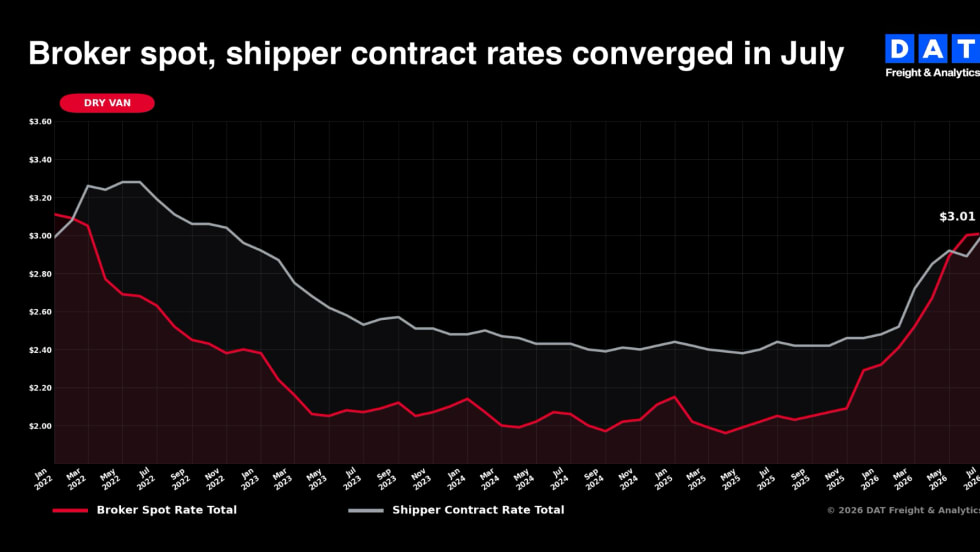
Tight Trucking Capacity Pushes Rates Higher Even as Freight Volumes Fall
“Spot rates moving ahead of contract rates have historically signaled a tightening market, but we haven’t seen a capacity-driven market quite like this one,” said DAT's Dean Croke.
Read More →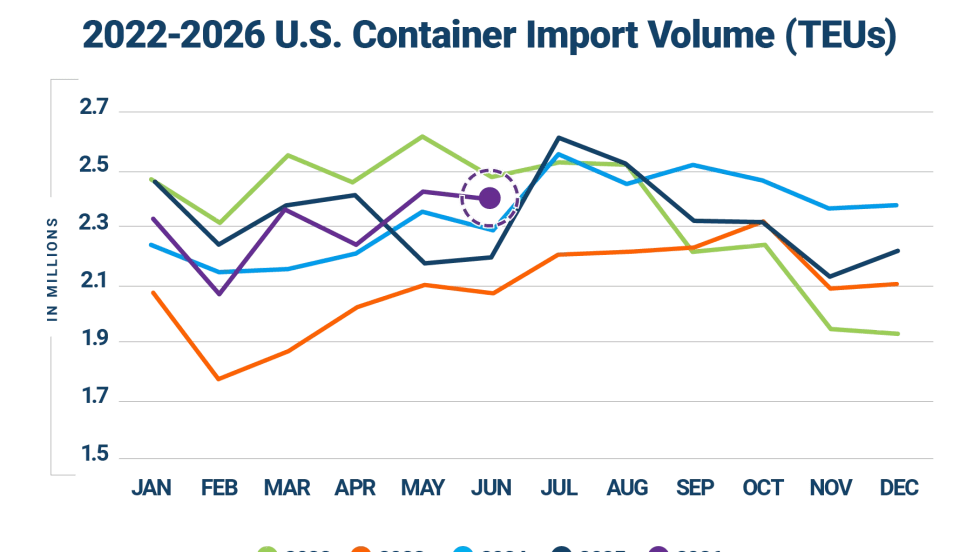
Import Cargo’s Early Peak Season is Winding Down
There was an early start to peak season this year at the nation's gateway ports, as retailers brought in merchandise ahead of tariff changes in late July and responded to other supply chain uncertainties,
Read More →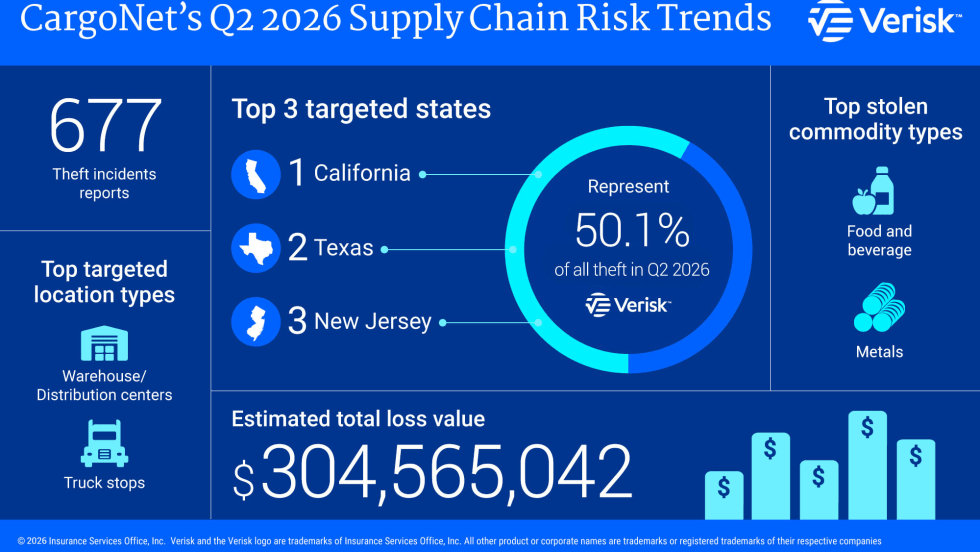
Fewer Cargo Thefts, Bigger Losses: Criminals Target Higher-Value Loads
CargoNet says organized theft rings are stealing fewer shipments but choosing more valuable freight, including metals and technology, resulting in record losses.
Read More →
How Innovative Trucking Leaders Turn Change Into an Advantage
As the pace of change accelerates in trucking, the fleets that adapt best have more than the latest technology. They have cultures that embrace improvement.
Read More →