




Economic Watch: Retail Prices Jump as Retail Sales Drop
Prices at the retail level jumped more than expected during January, raising concerns about rising inflation as well as interest rates, while a separate reported showed one of the biggest drivers of the U.S. economy declined by the most in nearly a year.

Prices at the retail level jumped more than expected during January, raising concerns about rising inflation as well as interest rates, while a separate reported showed one of the biggest drivers of the U.S. economy declined by the most in nearly a year.
The Labor Department reported Wednesday that the Consumer Price Index (CPI) increased last month 0.5% from December against a 0.3% expected gain. When volatile food and energy prices are excluded, the hike was 0.3% compared to a 0.2% forecast.
The January gain is the biggest since last September, when the government’s main gauge of retail inflation rose by the same amount, followed by monthly increases of between 0.1% and 0.3%.
The department described the overall January jump as “broad based” with increases in prices for gasoline, shelter, apparel, medical care, and food. Energy rose 3% in January, with the increase in the gasoline more than offsetting declines in other energy sectors. Prices for food rose 0.2%, with food at home and food away from home both rising.
Over the past 12 months, the CPI is up 2.1%, the same year-over-year rate reported for December.
This report will likely not help financial markets' concerns about rising inflation pressures that emerged last week with wage inflation rising at a pace not seen since 2009, according to Paul Ferley, assistant chief economist at RBC Economic Research.
“Indications of incipient wage pressures reinforced the view that labor markets are operating beyond capacity with a current unemployment rate of 4.1%. Confirmation of tightening labor markets made an even stronger case for the Federal Reserve to continue to tighten policy which weighed on financial markets,” he said.
RBC believes the inflation report will raise concerns that this wage pressure is starting to seep into consumer prices. It pointed out that the year-over-year rate for core prices remained unchanged at 1.8%, below the Fed’s inflation objective of 2%. However, the six-month average price gain for core consumer prices has jumped to 2.6% from 2.2% in December. Such pressure in conjunction with indications of potential wage pressures emerging are expected to keep the Federal Reserve on track for another interest rate hike next month.
“Our forecast assumes that the central bank will raise the federal funds range by 25 basis points (0.25%) at the March Federal Open Market Committee meeting to 1.5% to 1.75%,” Ferley said.
“The tightening is expected to continue through the forecast with similar-sized hikes expected each quarter through the end of 2019, resulting in the federal funds range finishing next year at 3.25% to 3.50%.”
The federal funds rate is the interest rate banks charge each over for overnight loans, which affects borrowing costs for both consumers and businesses.
Retails Sales Drop Following Banner Holiday Season
Meantime, a separate Commerce Department report showed retail sales in January unexpectedly fell 0.3% from the month before, the biggest decline since February 2017, despite forecasts of an increase.
Also, figures for December were revised to show no change from November, rather than the originally reported 0.4% increase.
Despite the month-over-month drop, sales in January posted an impressive 3.6% gain compared to January 2017.
“Although we were expecting a relatively strong performance for retail sales in January following the strong end of 2017 performance for the sector, it is relatively clear that there may once again be some seasonal factors at play," said Eugenio J. Alemán, senior economist at Wells Fargo Securities. “This is something that has been a staple for the first quarter economic numbers since the recovery from the Great Recession.”
He said Wells Fargo remains bullish on the consumer side this year, even though the first look at consumption in January was not what it was expecting.
“As we have pointed out before, perhaps the biggest risk for consumers, as well as for the U.S. economy this year, is higher inflation, which has the potential to cut into the purchasing power of income and push consumers to the sidelines. For now, credit is flowing and consumers are using it,” Alemán said.
Other analysts noted that the slowdown in January was nearly inevitable, following one of the most robust holiday sales periods in years, while even an increasing number of influenza cases and harsh winter weather could have caused retail sales to decline.
More Fleet Management

How Innovative Trucking Leaders Turn Change Into an Advantage
As the pace of change accelerates in trucking, the fleets that adapt best have more than the latest technology. They have cultures that embrace improvement.
Read More →
Freight Broker Bonds Just Got Harder to Get. Here's What That Means for Your Fleet.
When it gets harder for a freight broker to prove they are financially sound, the ones who cannot clear that bar get pushed out of the market. And those are exactly the brokers who used to leave motor carriers holding the bag.
Read More →
Long-Awaited Canadian Border Bridge to Open in Detroit
For trucking, the bridge opening should offer immediate improvements in efficiency and reliability, with new customs facilities, expanded inspection capacity, and direct freeway-to-freeway connections.
Read More →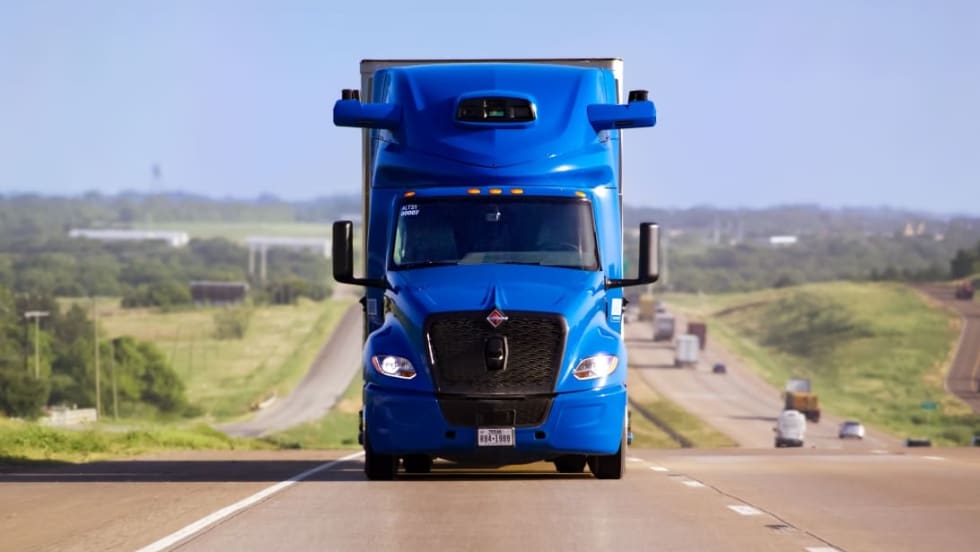
Aurora Rolls Out Next Generation of Driverless Trucks for Commercial Freight
Aurora's latest autonomous trucks it's rolling out with International feature lower-cost hardware designed for a million miles as the company expands commercial driverless freight operations across the U.S. Sun Belt.
Read More →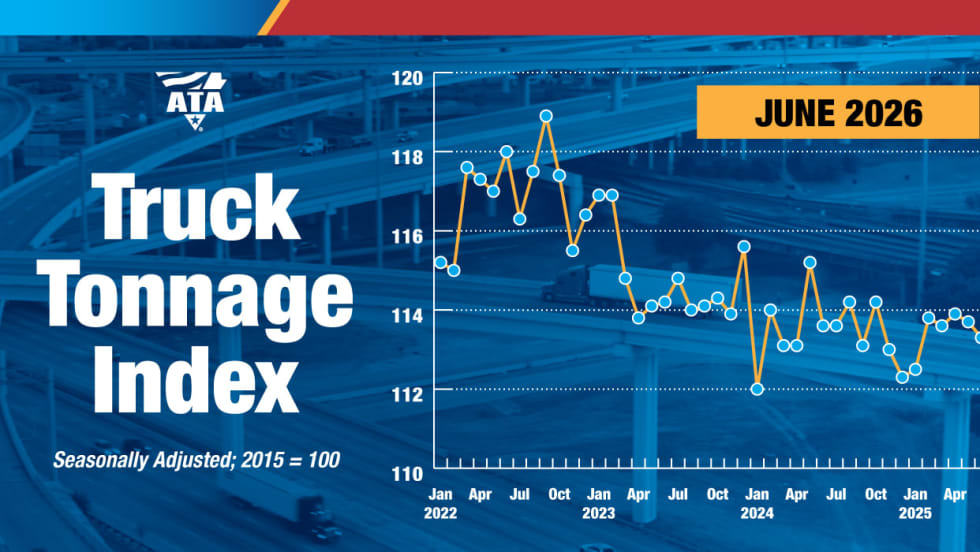
Freight Tonnage Down, Rates up, as Lower Capacity Powers Trucking Recovery
The recovery from the freight recession continues to be driven by reduction in capacity rather than by increased demand.
Read More →
Think Your Trucking Fleet Isn't Using Much AI? Think Again
Shadow AI — the use of unauthorized artificial intelligence tools at work — is becoming increasingly common, putting sensitive company data at risk. Learn how trucking fleets can protect sensitive data while embracing AI.
Read More →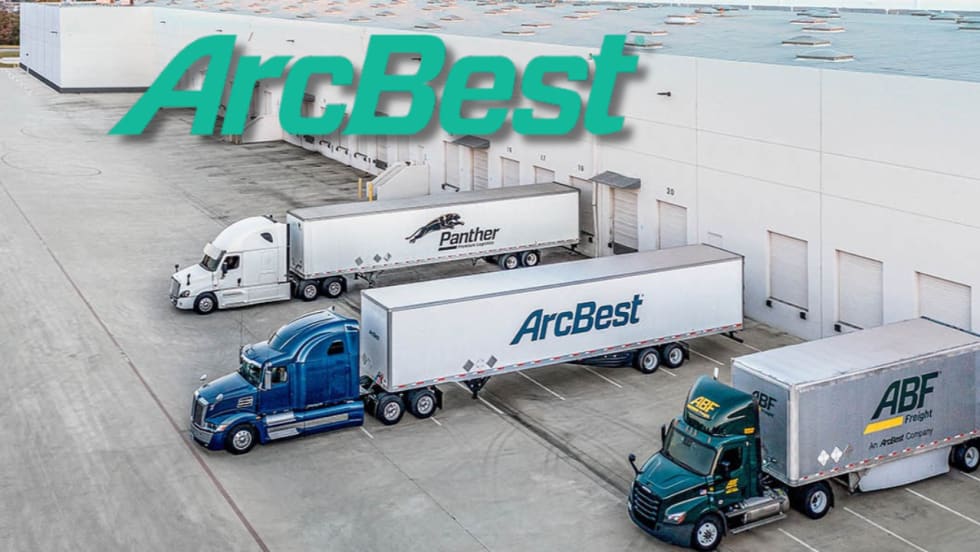
ArcBest Consolidates Brands, Cuts Workforce
The company will bring three business units under the ArcBest brand, eliminate about 2% of positions, and expects the changes to generate $40 million in annual savings.
Read More →
Trucking Fleets Faced Record Operating Costs During Third Year of Freight Recession
ATRI's annual operational cost report shows carriers trimmed fleets, delayed equipment purchases, and ran older trucks as expenses continued to outpace freight rates.
Read More →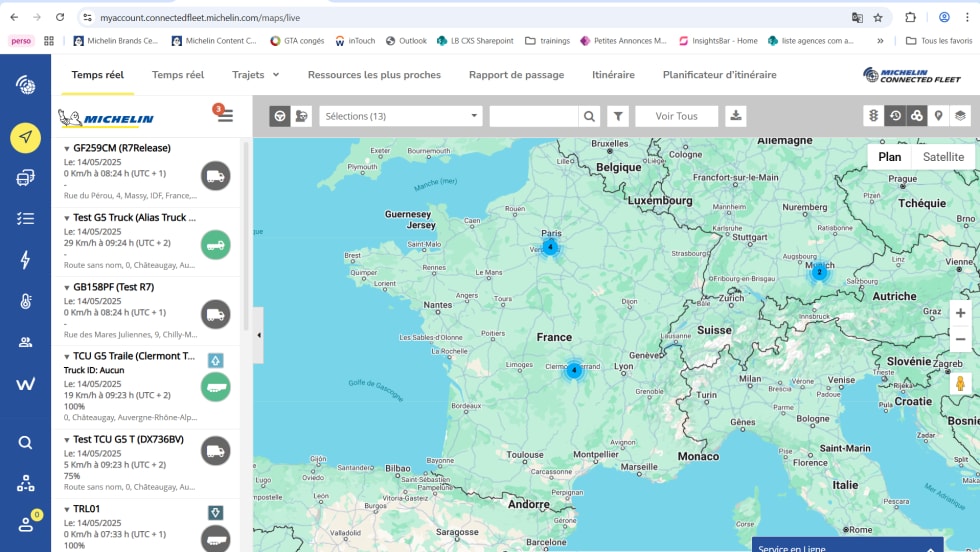
Michelin Adds AI Assistant to MyConnectedFleet Platform
Michelin’s new generative AI tool delivers instant fleet insights, helping managers analyze fuel use, tire maintenance, vehicle status, and operational performance without manually creating reports.
Read More →
LytxOne Platform Now Features AI, Compliance, and Asset Tracking Tools
New enhancements add AI-powered insights, asset tracking, compliance automation, and configurable privacy controls to Lytx's all-in-one fleet management platform.
Read More →