




Economic Watch: Industrial Production Drops, Consumers Optimism Unchanged
Industrial production in the U.S. decreased 0.3% in January after having risen 0.3% in December, according to numbers from the U.S. Federal Reserve released on Friday. This decline in the total output from the nation’s factories, mines and utilities is the largest drop since May 2009.

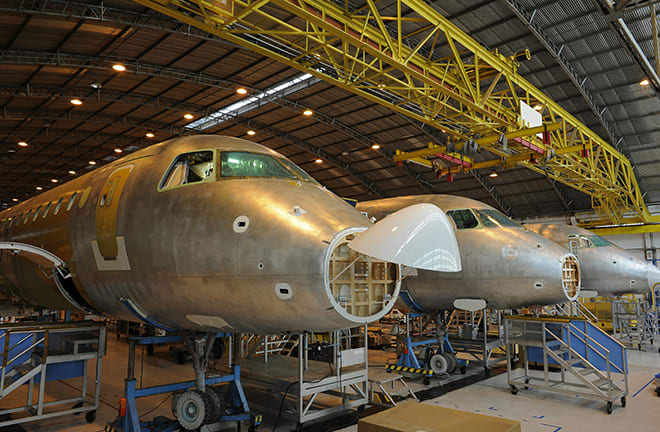

Industrial production in the U.S. decreased 0.3% in January after having risen 0.3% in December, according to numbers from the U.S. Federal Reserve released on Friday.
This decline in the total output from the nation’s factories, mines and utilities is the largest drop since May 2009, but the level is 2.9% higher than a year earlier.
Manufacturing output fell 0.8%, partly because of the severe weather that curtailed production in some regions of the country and due to a 5% decline in motor vehicle production. The overall drop in manufacturing is the biggest since April.
Manufacturing production is now reported to have been lower in the fourth quarter that first estimated. It is now estimated to have advanced at an annual rate of 4.6% in the fourth quarter rather than 6.2%
The output of utilities rose 4.1% in January, as demand for heating was boosted by unseasonably cold temperatures. The production at mines declined 0.9% following a gain of 1.8% in December.
“No doubt winter weather took a toll on the U.S. manufacturing base impeding industrial capacity, but manufacturing activity showed signs of losing momentum in the fourth quarter, suggesting not all of the weakness was weather related,” said Lindsey Piegza, chief economist at the investment firm Sterne Agee. “Still, as winter storms subside, February is likely to bring a clearer sense of fundamental trends, as opposed to temporary weather disruptions, in several key components of the economy.”
Meantime, a measure of consumer sentiment about the economy shows they are as optimistic about the economy this month as they were in January, according to the Reuters/University of Michigan Consumer Sentiment Index, also released Friday.
It held at 81.6, despite a consensus poll of economists showing they expected it to move lower. Within the components, consumer expectations increased from 71.2 to 73 in February but current conditions slipped from 96.8 to 94, a three-month low.
“Consumers appear to be somewhat upbeat about the U.S. economy, or at least no more pessimistic than they were a month ago. Of course, other consumer sentiment indices have been more volatile with Bloomberg's comfort index showing the first increase in five weeks juxtaposed with the NY conference board's sentiment reporting a five-month high in January,” said Piegza.
“On net, consumers - like the market and the Fed - are trying to parse out the underlying trend in the economy as the recent slew of data suggests the economy took a significant misstep after gaining momentum in the early months of the fourth quarter of 2013,” she said.
More Fleet Management

What the U.S.-Canada Trade War Means for Trucking
Escalating U.S.-Canada tariffs could disrupt cross-border freight, reduce truck volumes, raise costs, and create new uncertainty for carriers on both sides of the border.
Read More →
What Are Trucking’s Top Concerns for 2026?
The American Transportation Research Institute wants to know what's worrying trucking fleet managers, drivers, and other stakeholders in its annual Industry Issues survey.
Read More →
American Trucking Associations Looks for a New Leader
ATA President and CEO Chris Spear abruptly left his job at the association on August 21, at a pivotal time for the trucking industry.
Read More →
Public Wi-Fi Cybersecurity Risks: How Truck Drivers and Fleets Can Protect Their Data
Public Wi-Fi can expose truck drivers and fleets to credential theft, malware, and other cyber threats. Here’s how to reduce the risk on the road.
Read More →
For Nicky Cupp, Fleet Innovation Starts With Frustration
HDT Truck Fleet Innovator Nicky Cupp turns everyday pain points at Fraley & Schilling into opportunities for better technology and smarter processes.
Read More →
Adam Buttgenbach’s Approach to Electric Trucks: Start With Where They Fit
HDT Truck Fleet Innovator Adam Buttgenbach helped PepsiCo build one of North America’s largest EV fleets by focusing on where electric trucks make operational sense.
Read More →
Deen Albert: Let Automation Do the Math, People Make the Decisions
HDT Truck Fleet Innovator Deen Albert makes sure people are still at the heart of operations at Grand Island Express, even while adopting artificial intelligence tools. AI-assisted dispatch helped boost revenue 25% with the same number of trucks.
Read More →
Trimble’s New AI Agent Takes Aim at Fleet Back-Office Busywork
Arc Agent works across Trimble TMS products to automate repetitive tasks such as freight orders, maintenance, invoices, fuel costs and more.
Read More →
How HDT’s 2026 Truck Fleet Innovators Are Rethinking Fleet Operations
Meet five trucking leaders who are challenging assumptions, solving operational problems, and putting innovative ideas to work.
Read More →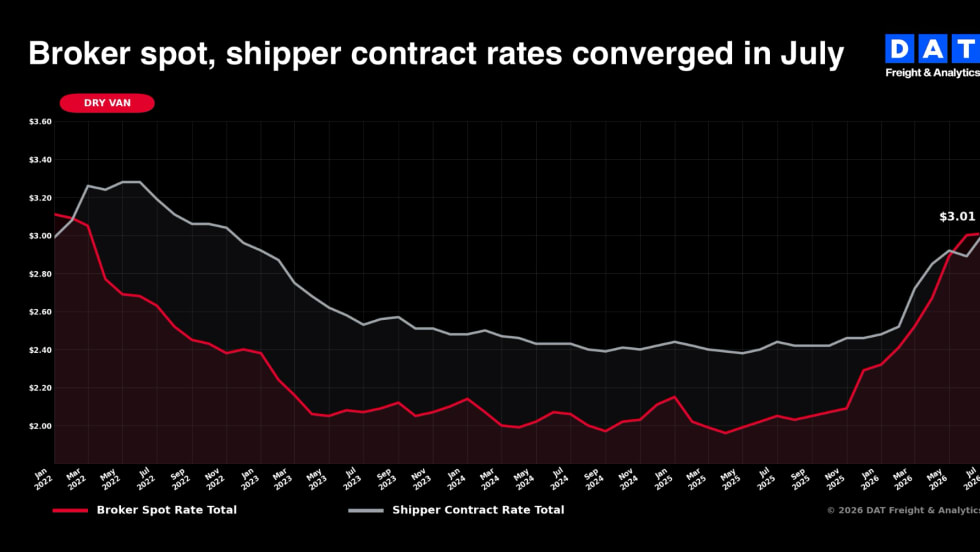
Tight Trucking Capacity Pushes Rates Higher Even as Freight Volumes Fall
“Spot rates moving ahead of contract rates have historically signaled a tightening market, but we haven’t seen a capacity-driven market quite like this one,” said DAT's Dean Croke.
Read More →