




Economic Watch: Home Starts Skyrocket
New homes starts in the U.S. increased dramatically in April from the month before, jumping 20.2% and hitting its highest level in more than seven years.



New homes starts in the U.S. increased dramatically in April from the month before, jumping 20.2% and hitting its highest level in more than seven years.
A new Commerce Department report also shows the increase in April from the upwardly revised level in March is the biggest month-to-month hike since 1991.
The April performance equals an annual rate of 1.14 million new homes and is 9.2% higher than the rate from April 2014.
Single-family home starts, the largest share of the market, increased 3.7% from March’s revised level, hitting its best pace since January 2008.
“Some impressive housing market data this morning, helping to offset weakness at the end of the first quarter,” said Sterne Agee Chief Economist Lindsey Piegza. “Still, as we have seen in housing construction for the past two years, activity has been very volatile from month to month. The trend has been one or two months of strength followed by equal weakness over the next 30 to 60 days.”
Meanwhile, a gauge of future home construction, the number of building permits issued, increased 10.1% in April from March’s revised level and is 6.4% higher than compared to April 2014. Last month’s level totals an annual rate of 1.14 million permits.
This comes in the wake of a separate report issued Monday by the National Association of Homebuilding showing builder confidence in the market for newly built, single-family homes in May dropped two points to a level of 54, according to its Housing Market Index.
Despite the decline, the index remains in positive territory, 50 or above, and is nine points higher than compared to May 2014.
“Consumers are exhibiting caution, and want to be on more stable financial footing before purchasing a home,” said NAHB Chief Economist David Crowe. “On the bright side, the HMI component measuring future sales expectations has been tracking upward all year, mortgage rates remain low, and house prices are affordable. These factors should spur the release of pent-up demand moving forward.”
The index’s components were mixed in May. The component charting sales expectations in the next six months rose one point to 64, the index measuring buyer traffic dropped a single point to 39, and the component gauging current sales conditions decreased two points to 59.
More Fleet Management
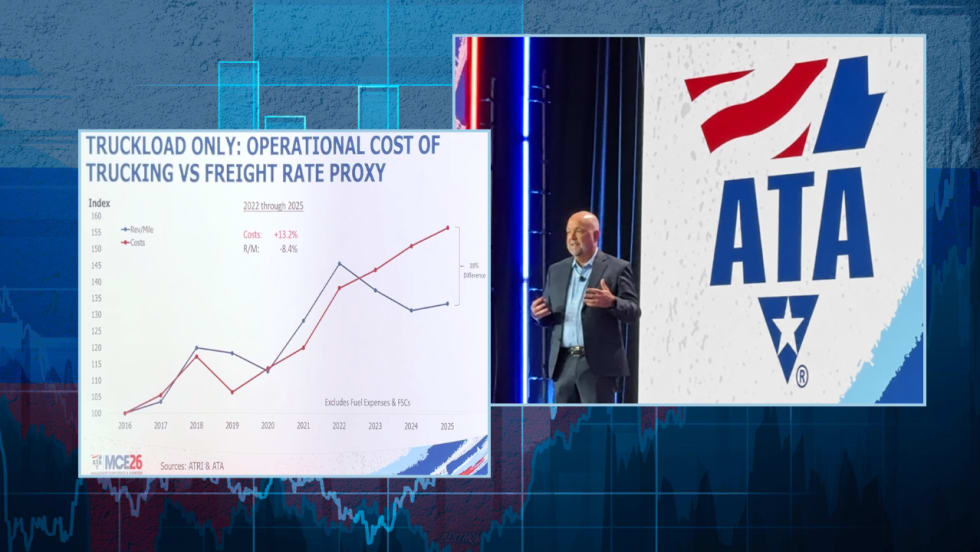
Why This Trucking Recovery Is Different
Freight demand remains sluggish, but rising costs and tougher enforcement have taken enough capacity out of the market to change the outlook for motor carriers.
Read More →
Platform Science Adds Dispatch and Safety Tools
Four additions to PS Fleet help fleets monitor loads, manage driver coaching, share truck locations and adjust video system settings.
Read More →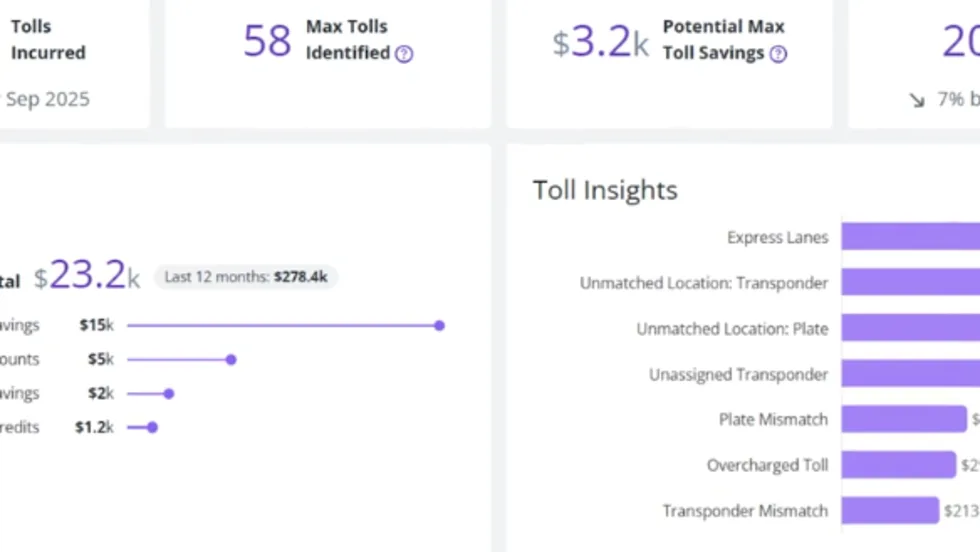
PrePass Intelligence Mines Fleet Bypass, Toll and Safety Data
PrePass Intelligence helps fleets measure bypass savings, flag potential toll overcharges, and spot suspicious transactions by combining data from separate systems.
Read More →
Motive Adds AI Agents for Fleet Operations
New tools automate follow-up on fleet data, from maintenance work orders to driver alerts, with two-way voice conversations planned for later this year.
Read More →
Can You Beat Our Trucking Trivia Challenge?
Test your truck knowledge with 19 trivia questions from Heavy Duty Trucking Exchange. Can you keep up with the fleet pros?
Read More →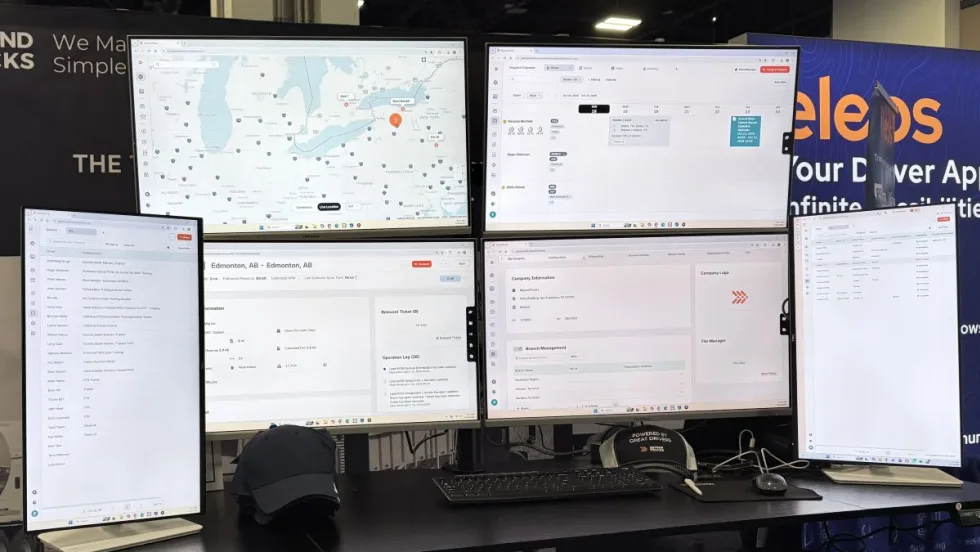
BeyondTrucks Adds Rules Checks to Dispatch
New Compatibility Engine checks driver qualifications, equipment requirements and fleet policies before loads are dispatched.
Read More →
Diesel Prices Hijack Trucking’s Worry List
ATRI’s annual survey finds cautious optimism about freight, but diesel costs, litigation, and insurance continue to squeeze fleets. Drivers have different priorities on several issues.
Read More →
Nomination Deadline Extended for HDT Emerging Leaders
Just a few more days to nominate accomplished trucking fleet professionals under 40 who are making an impact and helping lead the industry forward for the HDT Emerging Leaders award. Deadline extended to October 20!
Read More →
What Will ATA’s New Leader Bring to Trucking's Table?
Incoming President and CEO Mark Colson’s record in Alabama offers clues about his priorities and approach following Chris Spear’s abrupt departure as the head of the American Trucking Associations.
Read More →
Volvo, Waabi Start Commercial Autonomous Operations in Texas
Volvo VNL Autonomous trucks, powered by the Waabi Driver, are hauling freight directly to third-party facilities for a customer in Texas.
Read More →