




Economic Summit III: Fleets In Survival Mode
While there are a few bright spots, the industry must undergo more pain before it climbs out of the current recession. That was the consensus among speakers at Newport’s Economic Summit III in Las Vegas yesterday.
While there are a few bright spots, the industry must undergo more pain before it climbs out of the current recession. That was the consensus among speakers at Newport’s Economic Summit III in Las Vegas yesterday.
Addressing the theme “Coping With Crisis,” three fleet executives and an industry analyst said fleets can learn important lessons during the current tough times and emerge stronger and better-prepared for future downturns.
“I’ve learned more in the past six months than I have in the past six years,” said Randy Marten, president of Mondovi, Wis., reefer fleet Marten Transport. Marten has a goal of 15 percent return on equity and has managed to stay profitable by operating with extremely tight budgets. “The primary driver of cost controls is people,” Marten said. “We do a formal budget every year and put everything on it down to the last pencil. We reward all of our people for meeting the goals.”
Marten said the key is getting very good at understanding costs and making necessary adjustments quickly. “A lot of truckers don’t really know their costs,” he said. “We monitor our rates and costs by the minute.” Marten said his fleet does not touch rates in the budgeting process. “We only work on improving efficiency. Rate increases are considered icing on the cake.”
Max Fuller, president and co-chairman of U.S. Xpress of Chattanooga, Tenn., said it was a mistake for fleets to drop rates to get more freight. “Our rates are off by less than 1 percent since last year June,” he said. “We are winning more business by getting our marketing people to beat the bushes harder.” Shippers are willing to pay higher rates because they want the stability of dealing with a larger carrier during uncertain times, Fuller said. “They want to be sure the truck capacity is there when they need it,” he said.
Marten said he raised rates by 9 percent with one large customer and instead of losing the business, was awarded five times as much freight.
The shift in the shippers’ choice of carrier is hitting smaller fleets particularly hard. Mike Applegate, president of Applegate Drayage and the California Trucking Assn., said smaller family-owned fleets are being decimated. “They’re not sophisticated enough to know their costs. I knows of five fleets in California that you could roll up right now,” he said.
Smaller truckers that were typically getting a pretax margin of 7 percent are now at minus 4 percent due to higher fuel, credit, and insurance costs, according to trucking analyst Jeff Kauffman.
“Companies with healthy balance sheets and good cash flow will be the winners,” he said. “Things aren’t going to get better soon, but the good news is the industry is maturing. Fleets are getting better at holding the line on pricing. They’re taking a more disciplined approach at customer management and not just trying to buy market share.”
While the fleets said the driver shortage has eased in the current climate, they aren’t letting up on efforts to find and keep drivers. “Our turnover rate is down to 68 percent, but we’re not slowing down our recruiting efforts. We’re acting like it is 110 percent,” said Marten.
“We have a waiting list for drivers, so we can be more choosy,” said Fuller. “But when freight comes back, the shortage will be worse than before. We’re doing as much as we can to have a driver-friendly environment. We want them to come back if they leave. Over 70 percent of drivers we hire now are rehires.”
More Fleet Management
Is Your Parts Procurement Process Reactive or Proactive?
Ready to revamp your parts procurement process? Learn how now with “Strategic Parts Purchasing: A Process Checklist”
Read More →
What Trucking Events are Happening in 2026?
Looking for trucking-related conventions, expos, and other events? Heavy Duty Trucking has developed this list of national and larger regional trucking shows and events.
Read More →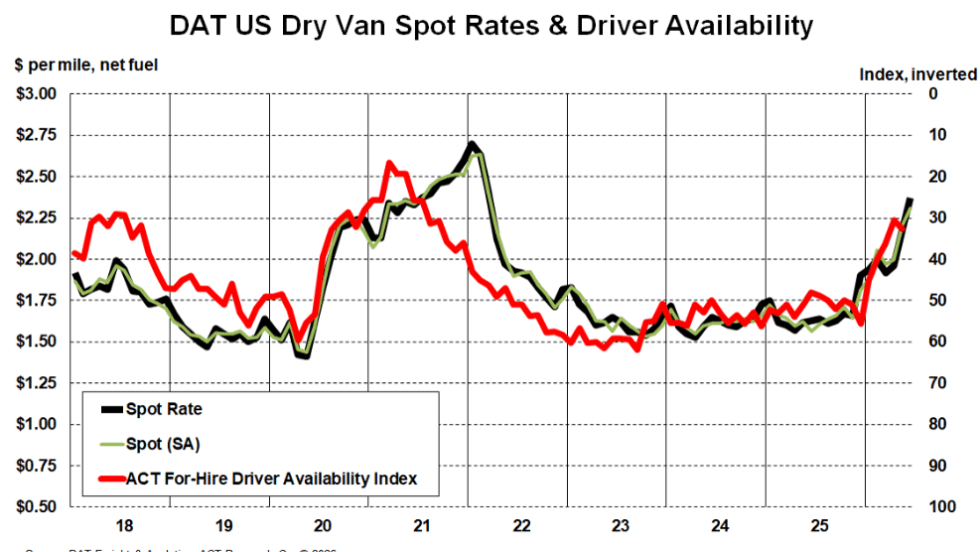
Truckload Rates Keep Rising as Tight Capacity Fuels Freight Market Recovery
Spot and contract rates continued climbing in May and June, not because freight demand is surging, but because fewer trucks and drivers are available.
Read More →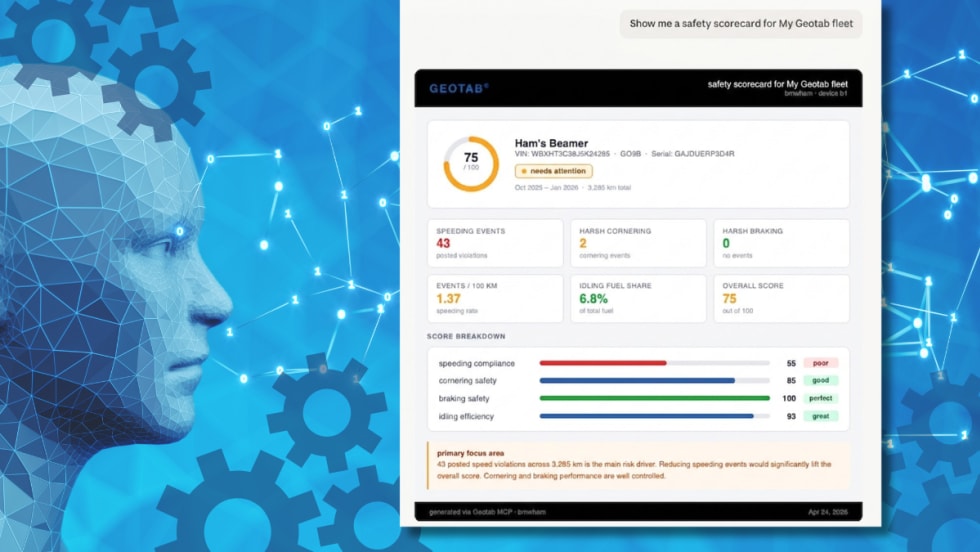
What Geotab's New AI Connector Means for Fleets
Fleets can now ask their usual AI assistants questions about maintenance, safety, fuel use, and vehicle performance, using their live Geotab data, and take action on the answers without leaving their preferred AI tool.
Read More →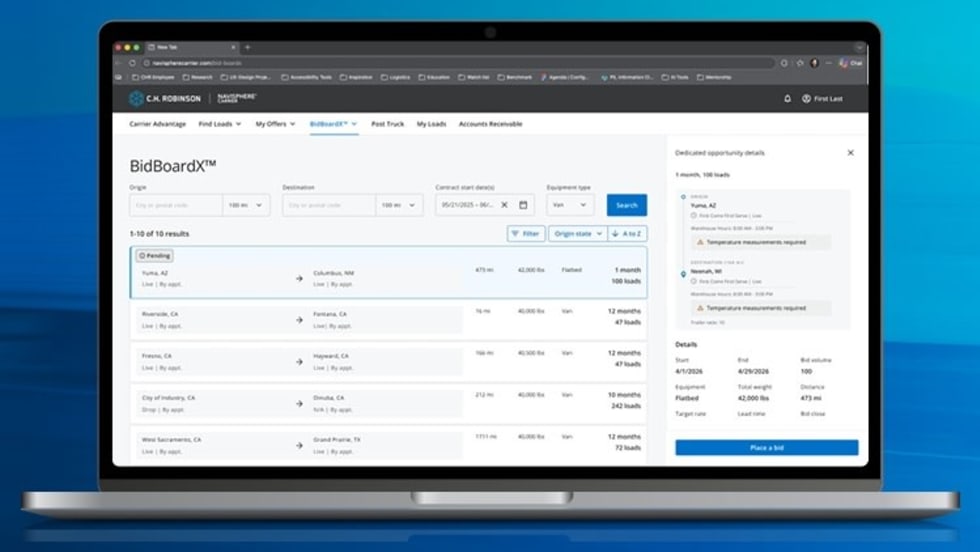
New C.H. Robinson Tool Opens Door to More Predictable Freight
BidBoardX lets carriers search, bid on, and secure committed freight opportunities through a single digital marketplace.
Read More →
New York City's Microhub Project is Delivering Results
Trucking, last-mile delivery companies, and environmental advocates like what they are seeing so far with New York's microhub program.
Read More →
Why Truck Detention Keeps Costing Fleets Time and Money
A 2024 ATRI study found detention affects nearly 40% of truckload stops and costs the industry more than $15 billion annually. Despite the toll on drivers, fleets, and supply chains, the problem remains stubbornly persistent.
Read More →
Time is Running Out to Apply for Exclusive HDT Event
Heavy Duty Trucking Exchange brings fleet managers and suppliers together for the deeper conversations that lead to ideas, partnerships, and solutions. Time is running out to apply for the September event.
Read More →
Amazon Launches Less-Than-Truckload Freight Offering for All Businesses
This launch is the latest addition to Amazon Supply Chain Services, a portfolio of supply chain capabilities from Amazon, including freight, distribution, fulfillment, and parcel shipping.
Read More →
Import Cargo Volume to See Year-Over-Year Gain Again in June, Then Remain Below 2025 Levels Into Fall
After July, the report predicts a weakening in import volume as consumer uncertainty remains high and the impact of increasing inflation takes its toll.
Read More →