




Eaton Discontinues Diesel-Electric Hybrid Trucks
Eaton has confirmed that it's out of the diesel-electric hybrid business in North America, after government incentives and stabilizing diesel prices contributed to a market largely drying up.
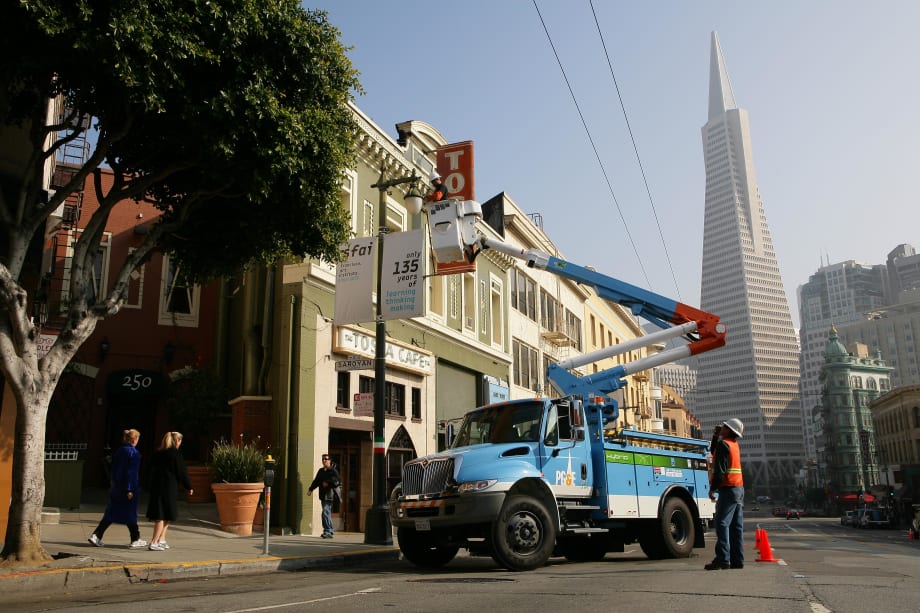
Utilities were a popular application for the Eaton diesel-electric hybrid.
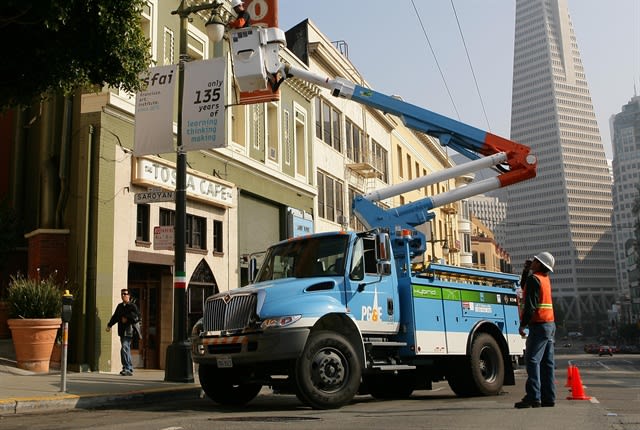
Utilities were a popular application for the Eaton diesel-electric hybrid.
Eaton has confirmed that it's out of the diesel-electric hybrid business in North America, after government incentives and stabilizing diesel prices contributed to a market largely drying up.
Jim Michels, global business communications manager for Eaton's vehicle group, told HDT on the eve of a press event at its facilities in Kalamazoo, Mich.
"We are no longer selling hybrid units in North America," Michels said. "The reason we're not selling in North America any longer is there really isn't a market for those products. If the market comes back we'll re-enter."
The market started drying up when federal credits expired, Michels explained. "We began to see a downturn in orders and it's progressively gotten lower and lower."
Diesel prices that have stabilized as well as an increased interest in natural gas as an alternative fuel have contributed to the decline in demand.
"On the flip side our hybrid business in China is doing fantastic," Michels said. "City bus is a huge opportunity for us in china, and same thing in Europe."
Michels wouldn't speculate on what it might take to see demand increase enough to re-enter the market. "We stay close to our customers and obviously if we see customer demand starting to pick back up we'll get right back into it."
Both Daimler Trucks North America and Kenworth recently told HDT they were no longer building any new diesel-electric hybrids because they could no longer get the systems from their supplier – Eaton.
Other companies are venturing into the medium-duty commercial truck hybrid market, many with bolt-on conversion systems, including Odyne and BAE HybriDrive, and Hino offers a hybrid version of its Class 5 cabover.
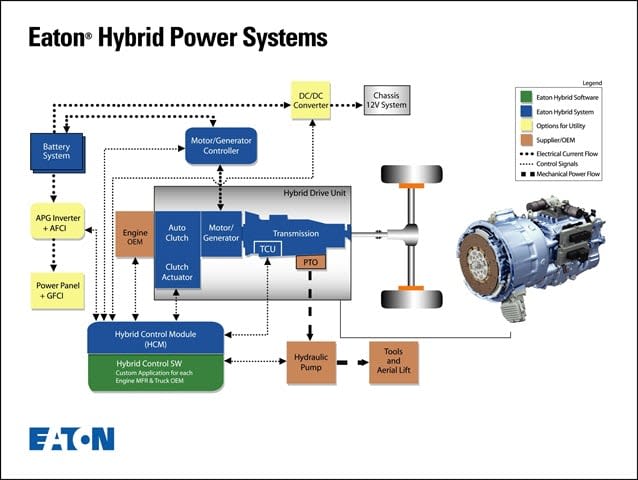
A hybrid history
In 2002, Eaton announced it intended to become a primary supplier of hybrid-electric vehicle powertrain technology and products to the commercial vehicle industry. That year, FedEx Express chose three finalists - including Eaton - to participate in its search for a hybrid electric Class 4 step-van to become its delivery truck in 2004.
By 2003, FedEx had chosen Eaton as the supplier and agreed to order 20 of the hybrids.
In 2005, electric utility Commonwealth Edison announced it was testing new diesel-electric hybrid bucket trucks from International using Eaton's technology.
In 2006, Paccar announced an ambitious goal of 30 percent improvement in vehicle fuel efficiency for selected medium-duty applications over the next seven years using hybrid technology as a key contributor, and Eaton was chosen to provide hybrid power systems for 50 step-van delivery vehicles made by International Truck and Engine and Freightliner Custom Chassis Corp., to be purchased by UPS.
By spring of 2010, Eaton announced that it had more than 2,400 hybrid systems in use, with customers collectively accumulating more than 30 million miles of service throughout the world, and UPS expanded its alt-fuel fleet with the deployment of 200 next-generation hybrid electric delivery trucks in eight U.S. cities.
The same year, Frost & Sullivan said that demand for hybrid trucks was expected to grow over the next six years across North America and Europe, especially in medium-duty, predicting the number of hybrid trucks being manufactured in North America and Europe would grow from 4,100 units in 2009 to 222,000 in 2016. In 2010, Frost & Sullivan predicted that by 2015, hybrids would represent 8% of all Class 6 to 8 trucks manufactured.
However, as Frost & Sullivan's Sandeep Kar noted at the time, "Currently, the high upfront cost associated with hybrids is countered with federal grants, incentives, and tax rebates," said Kar. "Although such incentives offer relief in the short term, for hybrids to be commercially viable in the long term, the upfront cost difference should reduce considerably."
That same year, T. Boone Pickens provided the keynote address during the National Natural Gas Vehicle Fleet Summit on the eve of the Mid-America Trucking Show and touted his Pickens Plan and converting the commercial trucking fleet to natural gas to reduce dependence on foreign oil.
By mid 2012, Eaton was addressing the issue of return on investment, announcing enhancements it said would increase the fuel economy, performance and payback of its hybrid drive system for commercial trucks, including a new high-capacity battery.
The same year, a report from Indiana University's School of Public and Environmental Affairs said the fuel savings and environmental benefits from medium-duty diesel-electric hybrids might not be enough to recover their higher investment costs.
More Fuel Smarts
Trucking’s Diesel Squeeze Isn’t Letting Up
With diesel topping $6 a gallon nationally, ATA's Bob Costello explains why fleets should prepare for continued pressure at the pump.
Read More →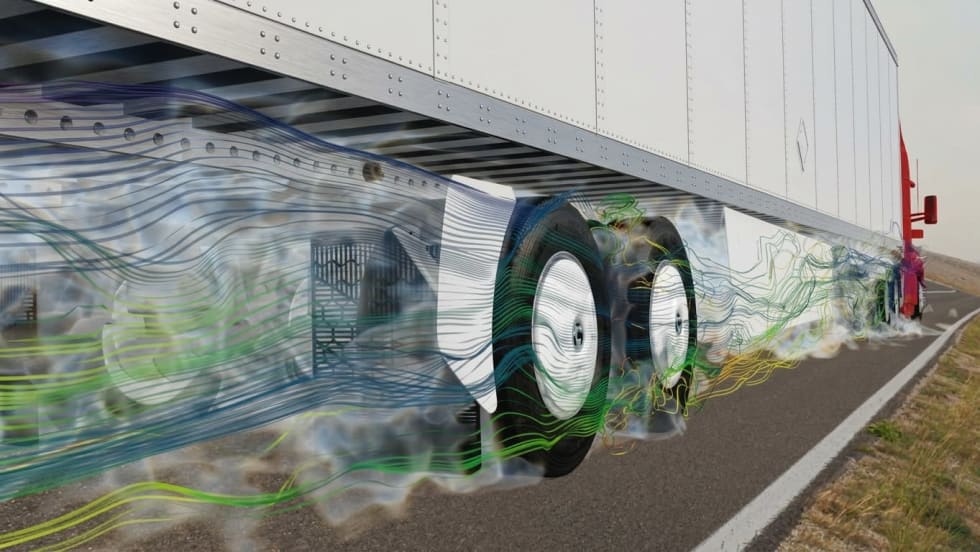
FlowBelow Redesigns Trailer AeroSlider to Cut Fuel Use
The lighter trailer aerodynamic system installs in less than 45 minutes, according to the company, with potential payback in under a year depending on fuel prices and trailer mileage.
Read More →
Why Diesel Price Relief Efforts May Fall Short
Diesel prices have eased from September’s record high, but doubts about additional Russian supply and limits on dyed-diesel tax relief mean trucking fleets still face expensive fuel. And prices could go higher.
Read More →
Why Small Fuel Savings Matter in Trucking
Can better fuel economy help pay for driver raises? In this podcast, GP Transco explains how small efficiency gains create room to reinvest in its people.
Read More →
How GP Transco Cuts Trucking Fuel Costs, a Tenth of a Gallon at a Time
What’s another tenth of a mile per gallon worth? GP Transco shares how equipment upgrades and driver coaching turn small gains into meaningful fuel savings.
Read More →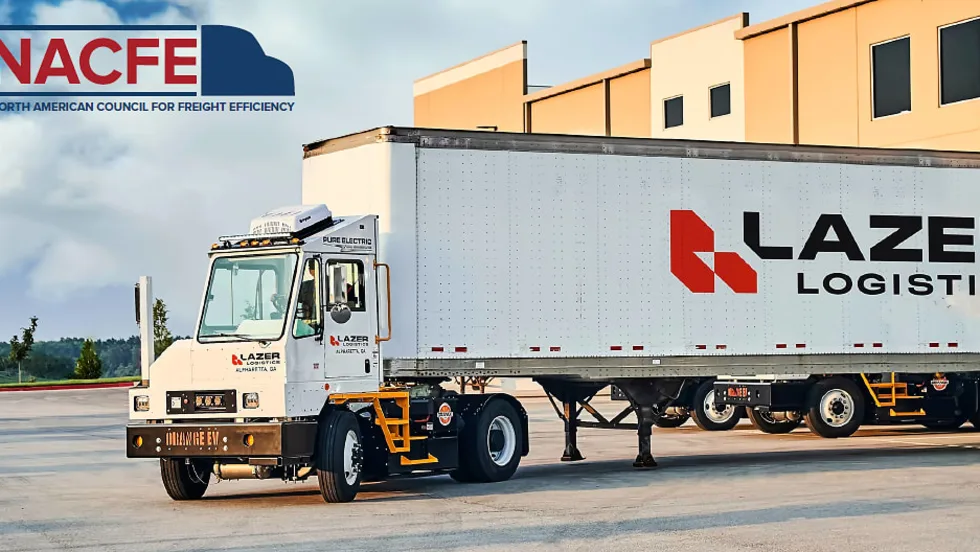
Electric Yard Tractors Move Beyond Pilots
Operating-cost savings have overtaken sustainability goals as the leading reason surveyed fleets are adopting battery-electric terminal tractors, according to new NACFE research.
Read More →
Geotab Links Fleet Card to Vehicle Data
The new card combines fuel discounts with telematics-based purchase controls. Geotab’s analysis also points to potential savings from choosing lower-priced fuel stops.
Read More →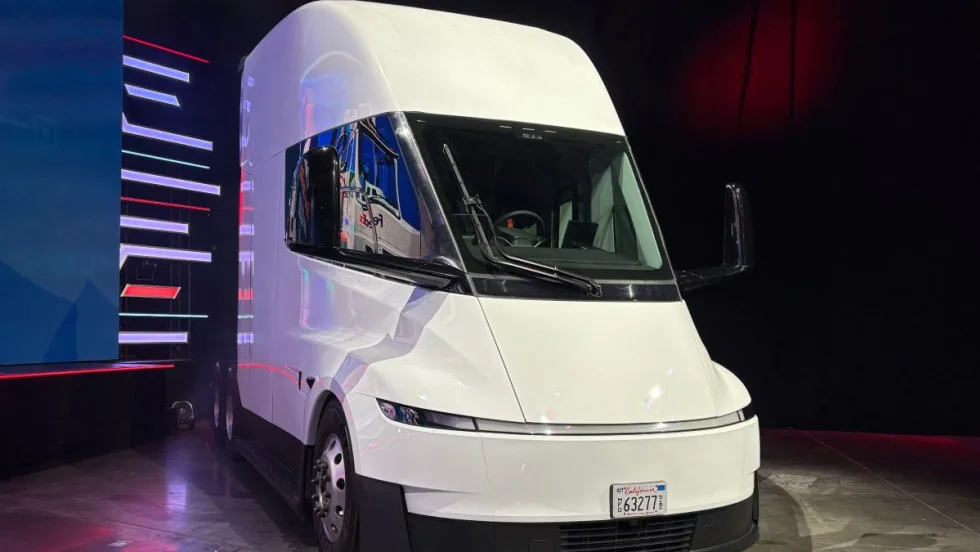
Fleet Economics Shape Electric Truck Outlook
ACT Research expects costs, charging infrastructure, and technology improvements to drive zero-emission commercial vehicle adoption as federal regulations and incentives retreat.
Read More →
Wex Adds Cardless Fuel Payments for Over-the-Road Customers
A new fuel card feature for Wex customers offers convenience and security.
Read More →
New California Law Could Shed Light on Electric Truck Prices
Why do battery-electric Class 8 trucks remain so expensive? A California bill signed by Gov. Gavin Newsom would give fleets and state agencies more visibility into what manufacturers charge.
Read More →