




East and Gulf Coast Port Strike Averted
Dockworkers and their employers agreed to extend contract negotiations for an additional 30 days after coming to an agreement on container royalties, avoiding a strike that would have shut down 15 East Coast and Southeast ports from Maine to Texas when the contract expired at midnight on Dec. 30
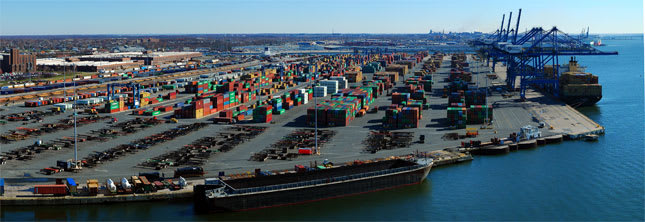
The Port of Baltimore is one of 15 ports where a strike would have halted most intermodal container handling.
Dockworkers and their employers agreed to extend contract negotiations for an additional 30 days after coming to an agreement on container royalties, avoiding a strike that would have shut down 15 East Coast and Southeast ports from Maine to Texas when the contract expired at midnight on Dec. 30.
According to the federal mediator who has been working with The International Longshoremens Association and United States Maritime Alliance, the sticking point of container royalty payments has been agreed upon in principle by both parties. These royalties supplement the wages of the longshoremen.
The details of that agreement are not being released, since negotiations are continuing. The extra 30 days is designed to give them time to negotiate the rest of the issues.
"While some significant issues remain in contention, I am cautiously optimistic that they can be resolved in the upcoming 30-day extension period," said Federal Mediation & Conciliation Service Director George Cohen in a statement.
If a strike had occurred, workers wouldnt have moved containerized cargo. Passenger ships, military cargo, containerized mail, bulk items, finished autos and perishable items with a limited shelf life would still have been handled. More than half of the nations containerized shipments pass through East Coast and Gulf Coast ports, according to Bloomberg.
Retailers welcomed the news, but continue to urge both parties to keep working on a long-term contract agreement.
While a contract extension does not provide the level of certainty that retailers and other industries were looking for, it is a much better result than an East and Gulf Coast port strike that would have shut down 14 container ports from Maine to Texas," said National Retail Federation President and CEO Matthew Shay in a statement.
A coast-wide port shutdown is not an option. It would have severe economic ramifications for the local, national and even global economies and wreak havoc on the supply chain."
More Fleet Management

American Trucking Associations Looks for a New Leader
ATA President and CEO Chris Spear abruptly left his job at the association on August 21, at a pivotal time for the trucking industry.
Read More →
Public Wi-Fi Cybersecurity Risks: How Truck Drivers and Fleets Can Protect Their Data
Public Wi-Fi can expose truck drivers and fleets to credential theft, malware, and other cyber threats. Here’s how to reduce the risk on the road.
Read More →
For Nicky Cupp, Fleet Innovation Starts With Frustration
HDT Truck Fleet Innovator Nicky Cupp turns everyday pain points at Fraley & Schilling into opportunities for better technology and smarter processes.
Read More →
Adam Buttgenbach’s Approach to Electric Trucks: Start With Where They Fit
HDT Truck Fleet Innovator Adam Buttgenbach helped PepsiCo build one of North America’s largest EV fleets by focusing on where electric trucks make operational sense.
Read More →
Deen Albert: Let Automation Do the Math, People Make the Decisions
HDT Truck Fleet Innovator Deen Albert makes sure people are still at the heart of operations at Grand Island Express, even while adopting artificial intelligence tools. AI-assisted dispatch helped boost revenue 25% with the same number of trucks.
Read More →
Trimble’s New AI Agent Takes Aim at Fleet Back-Office Busywork
Arc Agent works across Trimble TMS products to automate repetitive tasks such as freight orders, maintenance, invoices, fuel costs and more.
Read More →
How HDT’s 2026 Truck Fleet Innovators Are Rethinking Fleet Operations
Meet five trucking leaders who are challenging assumptions, solving operational problems, and putting innovative ideas to work.
Read More →
Tight Trucking Capacity Pushes Rates Higher Even as Freight Volumes Fall
“Spot rates moving ahead of contract rates have historically signaled a tightening market, but we haven’t seen a capacity-driven market quite like this one,” said DAT's Dean Croke.
Read More →
Import Cargo’s Early Peak Season is Winding Down
There was an early start to peak season this year at the nation's gateway ports, as retailers brought in merchandise ahead of tariff changes in late July and responded to other supply chain uncertainties,
Read More →
Fewer Cargo Thefts, Bigger Losses: Criminals Target Higher-Value Loads
CargoNet says organized theft rings are stealing fewer shipments but choosing more valuable freight, including metals and technology, resulting in record losses.
Read More →