




Driving Independent Can Pay Off in California, Study Shows
California owner-operators can earn substantially more than company drivers in the Golden State, per a new study released by the California Trucking Association.

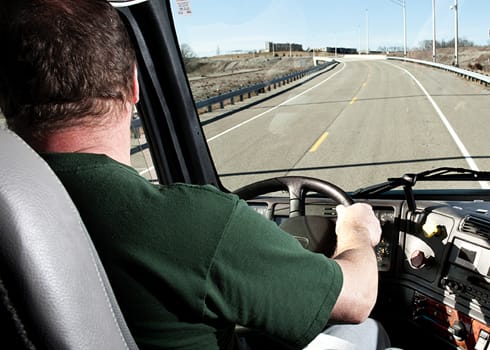
California is the Golden State for earning a living by driving a truck independently vs. doing so as a company employee, new study finds. Photo: VTTI
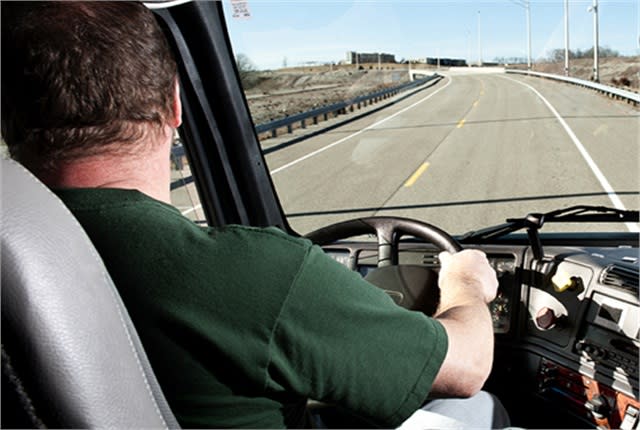
California is the Golden State for earning a living by driving a truck independently vs. doing so as a company employee, new study finds.Photo: VTTI
California owner-operators can earn substantially more than company drivers in the Golden State, per a new study released by the California Trucking Association and the Inland Empire Economic Partnership.
The Owner-Operator Driver Compensation Study found that drivers who operate independently have the ability to earn up to a six-figure income. And it determined that, based on recent figures, owner-operators scored net earnings more than $17,000 higher than do company drivers.
The report is based on 2013 data reported by 2,648 owner-operators based in California who operate in the port drayage, over-the-road and refrigeration sectors as well as from 2015 government data on company drivers.
The study found that owner-operators earned $17,400 more than the median pay for employee drivers in California.
The 2013 median net income for independent truckers was $59,478 while company drivers in 2015 attained median annual earnings of $42,078.
What’s more, the report noted that, per the U.S. Bureau of Labor Statistics, the 2014 median annual wages of employed drivers nationally was just $39,520.
The study also determined:
The 2013 median net earnings of the highest 25 percent of owner operators was $102,087
For the second 25 percent, it was $68,936
For the third 25 percent, it was $47,005
And for the fourth 25 percent, it was $28,297
The majority of the independent truckers exceeded the median of $42,078 for company drivers.
“This study is a strong indication that independent owner-operators continue to thrive” said study author John Husing, Ph.D., vice president of Economics and Politics, Inc.
“Estimated to make up nearly 20 percent of all trucks on the road today, nearly 75 percent of independent owner-operators are still earning more than company drivers," he added.
In the report, Husing referenced the controversy in California over whether drayage providers at the state’s ports should be required to use only company drivers because owner-operators in that segment have been perceived by some as being underpaid.
“During the 2007-2008 development of the [California] Clean Truck Program at the San Pedro Bay port complex, a proposed mandate would have required trucking firms to hire drivers as employees,” Husing pointed out.
“Some [back then] claimed that independent owner-operators were underpaid," he continued. "Other drivers, most trucking companies and port interests claimed that IOOs earn more as independent contractors and that the existing trucking model should be maintained. Ultimately, the appellate court decided that the employment mandate violated the federal preemption related to state regulation of 'rates, routes and services' under the Federal Aviation Administration Authorization Act.”
Noting that the battle over mandating company employment of drayage truckers has still not ended, he added that “as the economist who conducted most of the economic analysis of the Clean Truck Program and being familiar with the issues surrounding this controversy, this report has been created to supply hard data to the discussion of this issue.”
In the report’s conclusion, Husing remarked that, given the data, “it appears fair to conclude that as entrepreneurs, independent owner-operators can choose to put in levels of activity that allow them to earn incomes rivaling or exceeding those found among the highest paying occupations in logistics.”
“Some of the largest and most successful carriers started as independent owner operators with a single truck,” noted Shawn Yadon, CEO of CTA, in a statement on the report. He added that the association “will continue to support our professional drivers who choose to utilize the incredible entrepreneurial opportunity that comes from being a part of the trucking industry.”
The owner-operator pay report may be downloaded here.
More Fleet Management
Why This Trucking Recovery Is Different
Freight demand remains sluggish, but rising costs and tougher enforcement have taken enough capacity out of the market to change the outlook for motor carriers.
Read More →
Platform Science Adds Dispatch and Safety Tools
Four additions to PS Fleet help fleets monitor loads, manage driver coaching, share truck locations and adjust video system settings.
Read More →
PrePass Intelligence Mines Fleet Bypass, Toll and Safety Data
PrePass Intelligence helps fleets measure bypass savings, flag potential toll overcharges, and spot suspicious transactions by combining data from separate systems.
Read More →
Motive Adds AI Agents for Fleet Operations
New tools automate follow-up on fleet data, from maintenance work orders to driver alerts, with two-way voice conversations planned for later this year.
Read More →
Can You Beat Our Trucking Trivia Challenge?
Test your truck knowledge with 19 trivia questions from Heavy Duty Trucking Exchange. Can you keep up with the fleet pros?
Read More →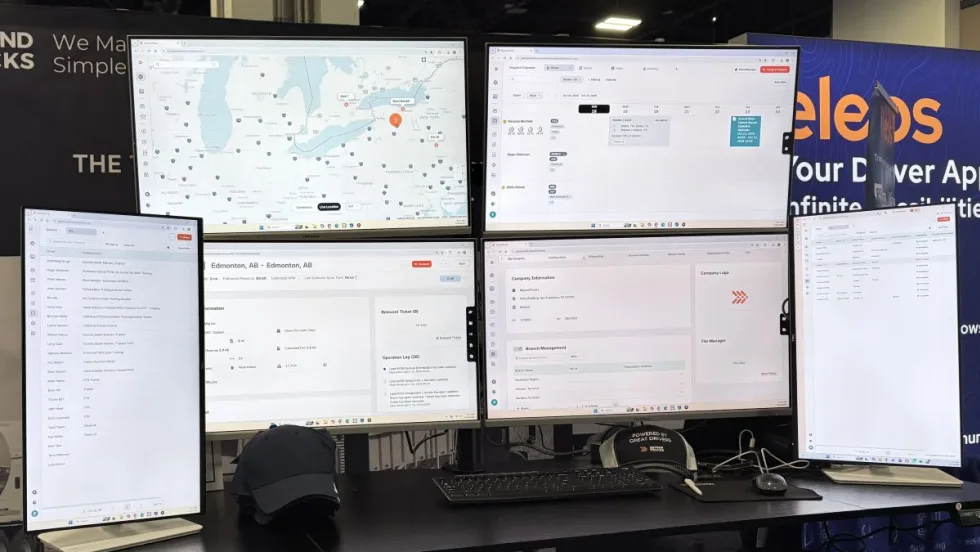
BeyondTrucks Adds Rules Checks to Dispatch
New Compatibility Engine checks driver qualifications, equipment requirements and fleet policies before loads are dispatched.
Read More →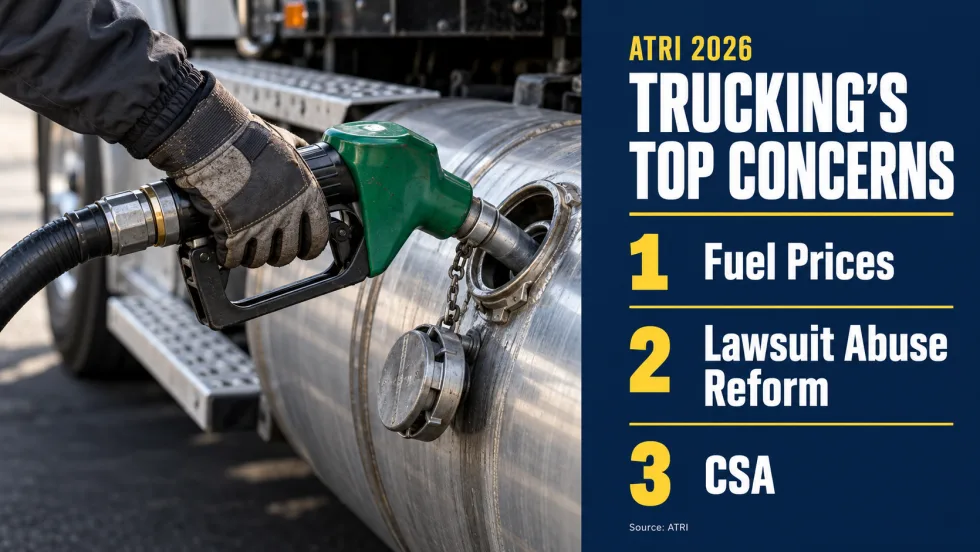
Diesel Prices Hijack Trucking’s Worry List
ATRI’s annual survey finds cautious optimism about freight, but diesel costs, litigation, and insurance continue to squeeze fleets. Drivers have different priorities on several issues.
Read More →
Nomination Deadline Extended for HDT Emerging Leaders
Just a few more days to nominate accomplished trucking fleet professionals under 40 who are making an impact and helping lead the industry forward for the HDT Emerging Leaders award. Deadline extended to October 20!
Read More →
What Will ATA’s New Leader Bring to Trucking's Table?
Incoming President and CEO Mark Colson’s record in Alabama offers clues about his priorities and approach following Chris Spear’s abrupt departure as the head of the American Trucking Associations.
Read More →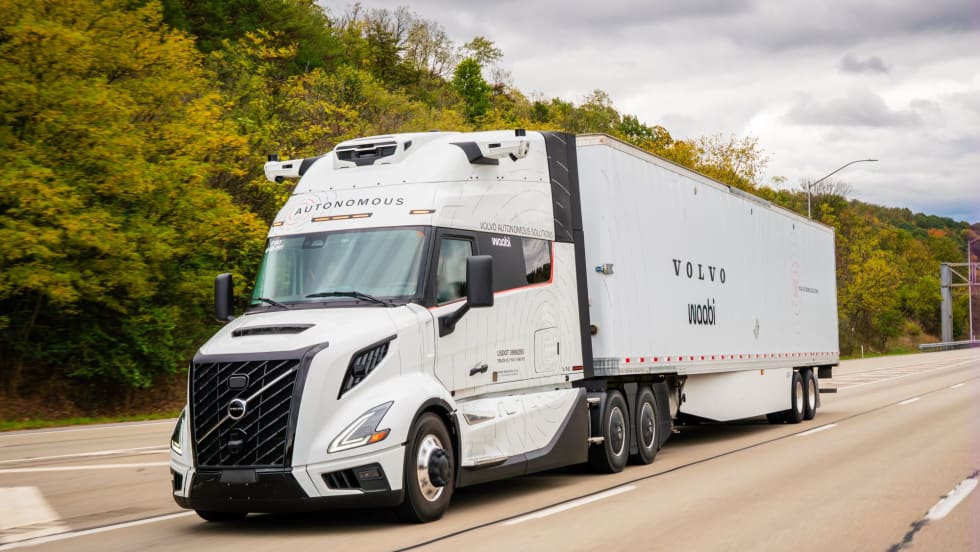
Volvo, Waabi Start Commercial Autonomous Operations in Texas
Volvo VNL Autonomous trucks, powered by the Waabi Driver, are hauling freight directly to third-party facilities for a customer in Texas.
Read More →