




Driven To Distraction
Most of us have seen it in person: A distracted driver creating a hazard or maybe even in the act of causing an accident. Maybe you’re guilty of doing it yourself on one or more occasions

Most of us have seen it in person: A distracted driver creating a hazard or maybe even in the act of causing an accident. Maybe you’re guilty of doing it yourself on one or more occasions.
Increasingly, the cause for these distractions is being blamed on in-vehicle mobile phone use. It’s very easy to get behind the wheel and become totally engrossed in a phone conversation or take our eye off the road while dialing a number. These dangerous distractions have attracted the attention of federal and state legislators. A dozen or so cities and counties already have laws in place and a total of 27 states currently have proposed legislation restricting mobile phone use. (New York was recently the first state to enact legislation prohibiting the use of hand-held phones while driving.)
The states have run into a lot of opposition from groups and individuals who see the mobile phone as an invaluable tool. Part of the state legislators’ challenge is coming up with concrete evidence that phone use is actually causing accidents.
Federal legislators are running into a similar problem. A House Transportation subcommittee held a meeting in Washington, D.C., recently to try amass some of the needed evidence. But while there were a lot of anecdotes, few hard numbers were produced. Witnesses testified about friends and children who died because of crashes involving cell phones. Patricia Pena of Pennsylvania told the committee how her 2-year-old daughter died when a driver ran a stop sign while talking on a cell phone. Pena founded Advocates for Cell Phone Safety after her daughter’s death. She told the committee that while opponents of restricting legislation would point to many other distractions in vehicles, “Cellular telephone use is a more complex and demanding task. There are simply not comparable distractions.”
But this did not give House representatives the ammunition they needed. Even Rep. Eddie Bernice Johnson of Texas who had a friend die in a car crash while talking on a cell phone said, “I'm not certain we can legislate this behavior.”
The best solution may be the suggestion made by Rep. Rob Simmons of Connecticut that government look at ways to make the equipment easier and safer to use instead of restricting it.
Trucking sits on both sides of the distracted driver issue. On the one hand, the industry has much to gain from the widespread use of wireless phones and other in-cab communications devices. Productivity is improved tremendously if the driver, while driving to make an appointment, can reach dispatch to line up another load or inquire about directions to the receiver.
There are also safety benefits by not forcing the driver to find a spot to park his/her rig to make a call from a payphone. And then there is the security and “feel-good” value of giving the driver the ability to be reached at any time by family members in case of an emergency.
On the other hand, fleet safety directors must shudder at the thought of a driver on the phone in heavy traffic whose mind is a hundred miles away or who’s busy trying to dial a number. Fleets can probably also report a number of accidents involving their trucks which were caused by a motorist distracted by a phone.
Education is clearly key here. Whether your drivers use mobile phones or not, you should be doing all you can to hammer home the dangers of driving while distracted. Encourage drivers to handle difficult or complex communications while the truck is parked. Show them how distractions rob them of valuable braking distance. Also, look at ways to make the use of in-cab communications devices safer with hands-free dialing or by moving them to a different location in the cab.
Finally, remind all of your employees and friends who use a mobile phone in their cars to practice safe phone use. It could save their lives — and the lives of those they share the road with.
This editorial appeared in the June issue of Heavy Duty Trucking magazine. To see if you qualify for a free subscription, go to www.heavydutytrucking.com.
More Safety & Compliance
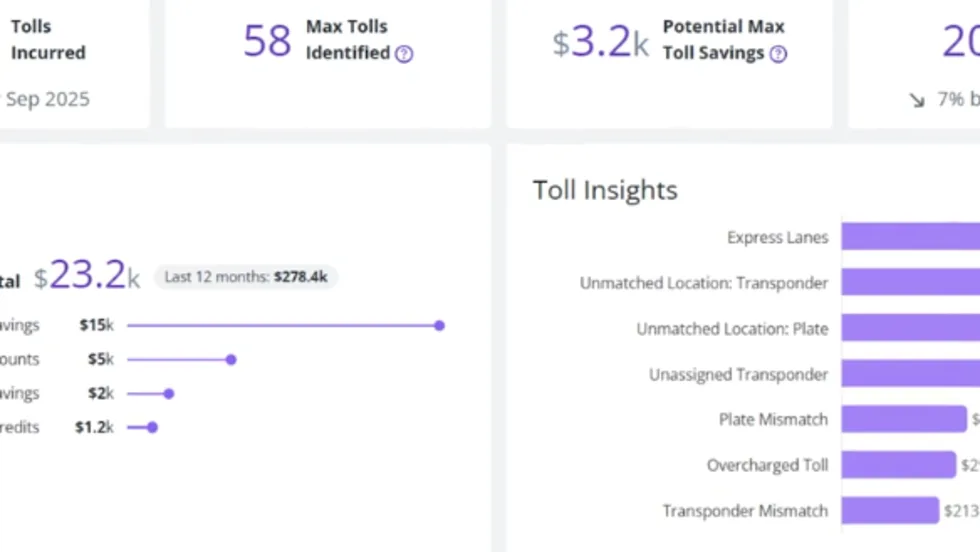
PrePass Intelligence Mines Fleet Bypass, Toll and Safety Data
PrePass Intelligence helps fleets measure bypass savings, flag potential toll overcharges, and spot suspicious transactions by combining data from separate systems.
Read More →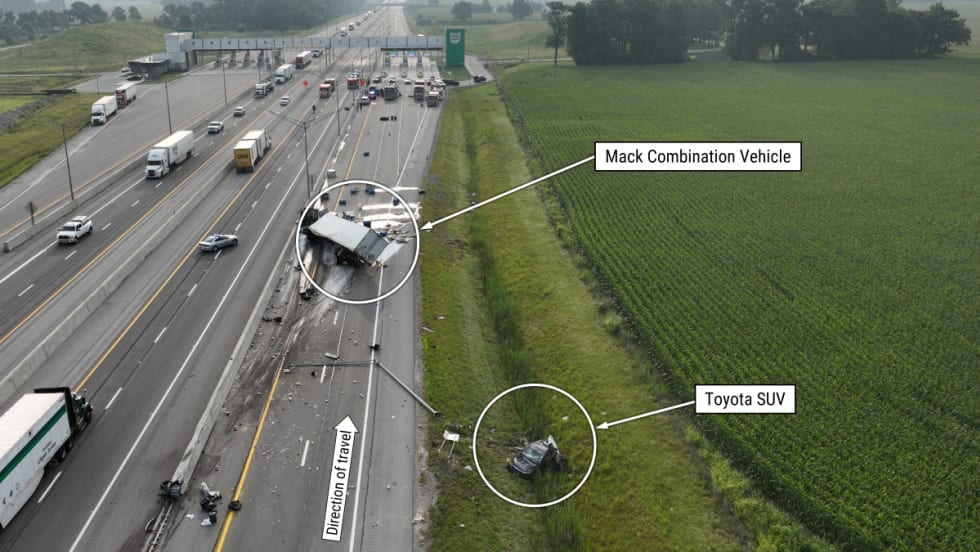
Fatal Crash Exposes Toll Plaza Risks
An NTSB investigation found that last-minute lane changes and large speed differences at an Ohio toll plaza created a hazard the truck driver couldn't avoid in time.
Read More →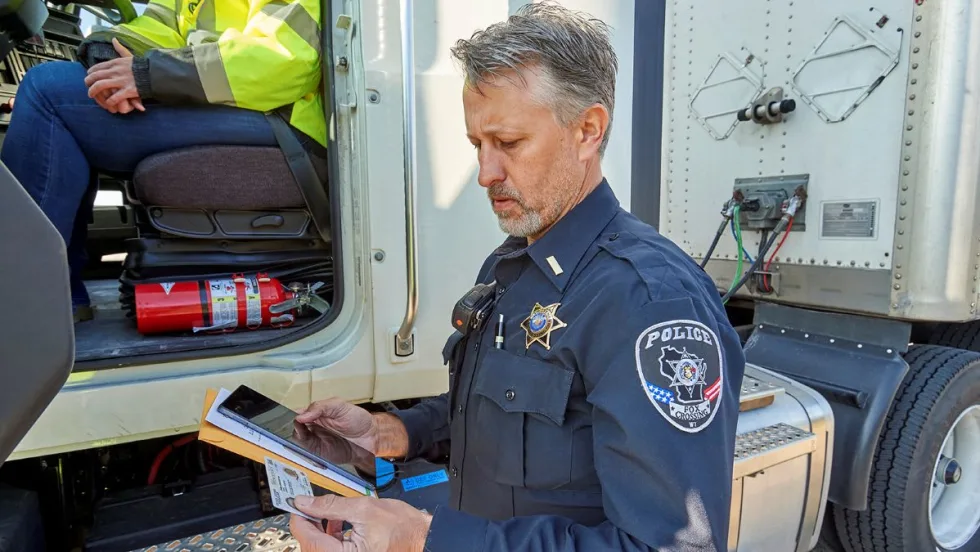
When Language Stops the Truck: The Return of ELP Out-of-Service Orders
English language proficiency rules for commercial drivers aren’t new, but renewed out-of-service enforcement has raised the stakes. Here’s what carriers need to know before a driver reaches a roadside inspection.
Read More →
A Camera Isn't a Safety Program. Here's What Brokers Are Screening for Now
Footage alone may not be enough to pass broker vetting processes. Here's what counts as a defensible safety program now.
Read More →
Marijuana and Trucking’s Drug-Testing Dilemma
Marijuana is getting stronger, laws are changing, and drug tests still can’t reliably establish impairment. What does that mean for truck drivers and the fleets that employ them?
Read More →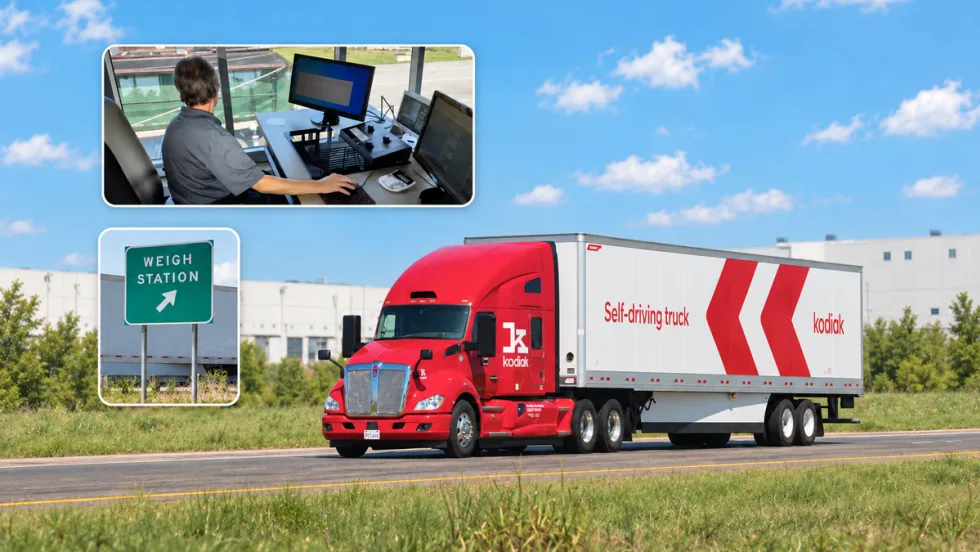
PrePass, Kodiak Connect Driverless Trucks to Roadside Enforcement
The system will allow enforcement agencies to verify Enhanced Inspection information and decide whether Kodiak’s autonomous trucks can bypass roadside screening sites.
Read More →
From One Generation to the Next: How Mentorship Builds Safer Truck Drivers
After three decades in trucking, Harold Perry shares what he's learned about driver safety, mentorship, and helping the next generation build confidence behind the wheel.
Read More →
FMCSA Pauses Biennial-Update Enforcement Amid Motus Transition
Carriers whose updates were due on or after June 1 have more time, while FMCSA works to stabilize its new registration system and warns of phishing sites impersonating its new carrier registration system, Motus.
Read More →
ZF Expands Commercial Vehicle Push in North America
ZF is expanding its North American commercial-vehicle presence with new transmission applications, electrification, trailer technology and autonomous-driving systems.
Read More →
Truck Drivers Need More Than Another Alert
Fleets have more visibility into truck health, safety events, and driver activity than ever. The next challenge is turning all that information into useful guidance for the person who has to decide what to do next.
Read More →