




DOT Secretary Nominee Foxx Confirmation Hearing Set for Next Week
President Obama’s pick to head up the U.S. Transportation Department will go before a Senate committee next week for a confirmation hearing.

Anthony Foxx faces the first step in his confirmation process next week.
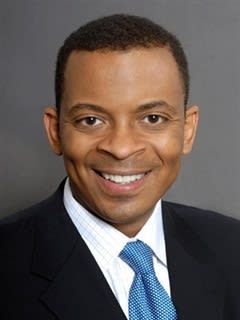
Anthony Foxx faces the first step in his confirmation process next week.
President Obama’s pick to head up the U.S. Transportation Department will go before a Senate committee next week for a confirmation hearing.
Charlotte Mayor Anthony Foxx is set to appear before the Senate Commerce, Science and Transportation Committee on May 23 at 2:30 p.m., Eastern Time, according to Chairman Jay Rockefeller (D-WV). Foxx needs the committee’s endorsement in order to receive a positive vote from the Democratically controlled Senate. That vote isn’t likely to happen until next month.
In April Foxx was nominated by the President to succeed outgoing DOT Secretary Ray LaHood.
The American Trucking Associations reacted positively to the announcement of the nomination. “As mayor of a large city, Mayor Foxx dealt with very similar challenges with regard to transportation issues that I did when I was governor – chiefly responding to the demands of constituents and developing a multimodal transportation network," said President and CEO Bill Graves, former Republican governor of Kansas.
Also giving Foxx the nod has been House Transportation and Infrastructure Committee Chairman Bill Shuster, R-Pa, along with the American Association of State Highway Transportation Officials, the U.S. Conference of Mayors, the Owner Operator Independent Drivers Association and others. In contrast, Foxx’s nomination was blasted by the Wall Street Journal newspaper.
Foxx was elected mayor in 2009. Since then he has pushed to expand public transit, helped develop a new inland port and worked on a new runway at Charlotte/Douglas International Airport.
More Safety & Compliance
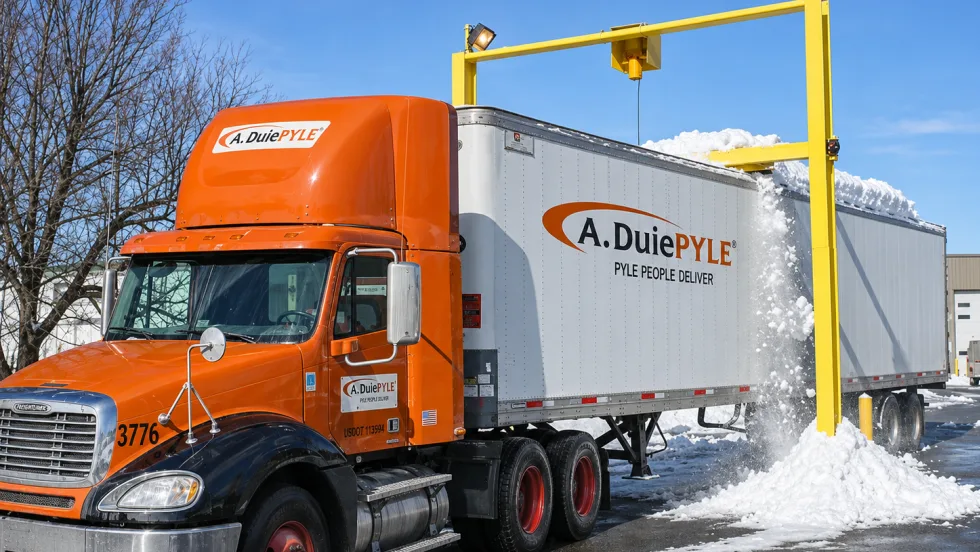
Truck Snow Removal: Fines Aren't the Only Risk
Delaware and Maryland are the latest states to add requirements and fines for snow and ice removal on commercial trucks. But a flying-ice accident could cost a fleet more than a citation.
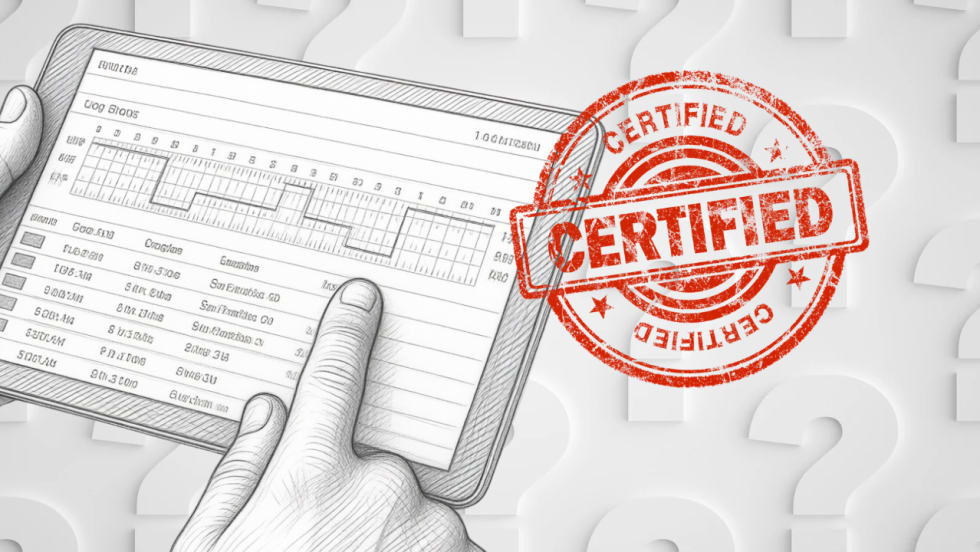
How ATA Wants to Fix ELD Certification
ATA's new roadmap calls for independent ELD certification, better fraud detection and closer oversight of providers. Here's how the proposed system would work.
Daimler, Paccar Recall Trucks Over Driveline Defect
Nearly 4,900 Freightliner, Western Star, and Kenworth trucks are being recalled because a missing snap ring could allow the driveline to separate from the truck.
133 ELDs Revoked as ATA Pushes Certification Reform
FMCSA just removed a record number of electronic logging devices from its registry. ATA says it's time to rethink how ELDs get approved in the first place.

CVSA Sets 2027 International Roadcheck Dates
The annual 72-hour truck inspection blitz will take place May 11–13 across North America. Here's what fleets can expect and what inspectors found during the 2026 event.

FMCSA’s New Complaint Platform Makes It Easier to Report Trucking Safety Concerns
The FMCSA Complaint Center features expanded complaint categories and a name change away from the word "consumer."

FDA Eases Path for Oral-Fluid Testing
Federal actions could advance oral-fluid drug testing for truck drivers, but lab certification delays and marijuana rescheduling questions remain.
Kodiak Lines Up Fleets for Driverless Trucking
An agreement for 75 trucks, a new Texas freight lane, and progress on safety validation move Kodiak closer to its planned driverless highway launch.

More Trailer Data Through the Same Seven-Way [Video]
Can trucking’s standard seven-way connector handle more cameras and trailer data? Grote’s Adam Slade shows HDT how the company is using new technology with its 4See trailer system, not only to add a new backup camera but also to expand other capabilities — without adding another connection.

PrePass Intelligence Mines Fleet Bypass, Toll and Safety Data
PrePass Intelligence helps fleets measure bypass savings, flag potential toll overcharges, and spot suspicious transactions by combining data from separate systems.