




DOT Proposes V2V Rule for Cars; Could One for Trucks Be Far Behind?
While the National Highway Traffic Safety Commission issued a proposed rule on Dec. 13 aimed at getting vehicle-to-vehicle (V2V) communication technology on all new light-duty vehicles, NHTSA confirmed for HDT that there is “no [similar] rulemaking as of yet” in the works for commercial vehicles.

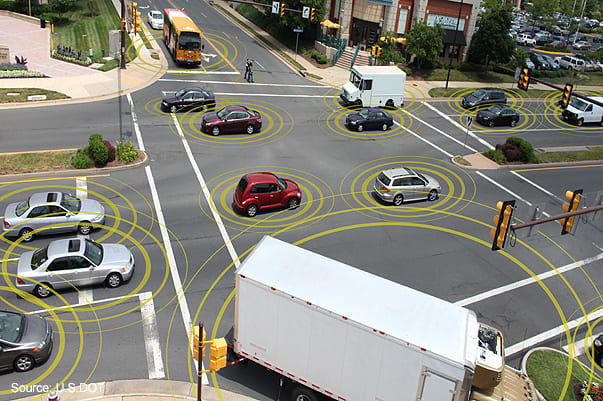
Artist rendering of connected vehicles on the road Image: U.S. Department of Transportation

While the National Highway Traffic Safety Commission issued a proposed rule on Dec. 13 aimed at getting vehicle-to-vehicle (V2V) communication technology on all new light-duty vehicles, NHTSA Communications Director Bryan Thomas confirmed for HDT that there is “no [similar] rulemaking as of yet” in the works for commercial vehicles.
Thomas noted that “research is ongoing and we see great potential” in V2V technology for medium- and heavy-duty trucks and buses as well. Per a NHTSA fact sheet on the light-duty proposal, the agency is “working with industry” on continuing research “to adapt the technology for these vehicles.”
V2V is a companion technology for autonomously driven vehicles, including platooned trucks that are electronically linked while operating on the road.
At an October news briefing, Chris Spear, president and CEO of the American Trucking Associations, said that the lobby was determined to make sure trucking has “a seat at the table” along with the automotive industry when policies are developed to allow and further vehicle automation.
“The technology is here and will grow rapidly,” Spear said on the show floor of ATA’s Management Conference & Exposition. “Suppliers are already creating connected and automated technology.” But he added that trucking is “a different animal than the car side,” so ATA is aiming to ensure the industry’s voice is heard as federal policymaking develops.
Spear then pointed out that the first federal guidelines for the testing and deployment of autonomous vehicles, released by the Department of Transportation in September, were developed with almost no input from the trucking industry.
Asked on Dec. 13 to review the current landscape for a V2V commercial-vehicle rulemaking, ATA Executive Vice President of Advocacy Bill Sullivan told HDT that a lot has changed since Spear spoke out less than three months ago on trucking being consulted by DOT regarding such activity.
“Chris [Spear] was right in speaking out and, since then, we do have a seat at the table [with DOT],” said Sullivan. “This V2V rulemaking is for light-duty vehicles and it points in the right direction. It sets the bar high in respect to preserving a data spectrum for safety communications. We are hopeful this approach will continue under the Trump administration.”
According to DOT, the proposed rule would enable V2V communication technology on all new light-duty vehicles, “enabling a multitude of new crash-avoidance applications that, once fully deployed, could prevent hundreds of thousands of crashes every year by helping vehicles ‘talk’ to each other.”
The rule would require V2V devices to operate through standardized messaging that DOT said would be developed with industry. More specifically, NHTSA said that V2V devices would use dedicated short range communications (DSRC) to transmit data, such as location, direction and speed, to nearby vehicles.
That data would be updated and broadcast up to 10 times per second to nearby vehicles. Using that information, V2V-equipped vehicles could identify safety risks and provide warnings to drivers to avoid imminent crashes.
NHTSA pointed out that vehicles equipped with automated driving functions— such as automatic emergency braking and adaptive cruise control— could also benefit from the use of V2V data to better avoid or reduce the consequences of crashes.
DOT also announced that, separately, the Federal Highway Administration plans to soon issue guidance for Vehicle-to-Infrastructure (V2I) communications, “which will help transportation planners integrate the technologies to allow vehicles to ‘talk’ to roadway infrastructure such as traffic lights, stop signs and work zones to improve mobility, reduce congestion, and improve safety.
More Fleet Management
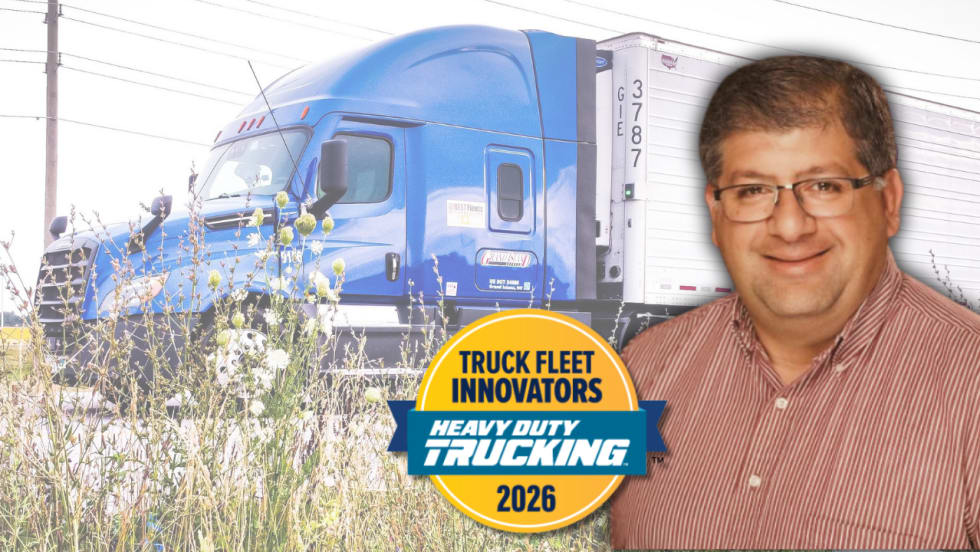
Deen Albert: Let Automation Do the Math, People Make the Decisions
HDT Truck Fleet Innovator Deen Albert makes sure people are still at the heart of operations at Grand Island Express, even while adopting artificial intelligence tools. AI-assisted dispatch helped boost revenue 25% with the same number of trucks.
Read More →
Trimble’s New AI Agent Takes Aim at Fleet Back-Office Busywork
Arc Agent works across Trimble TMS products to automate repetitive tasks such as freight orders, maintenance, invoices, fuel costs and more.
Read More →
How HDT’s 2026 Truck Fleet Innovators Are Rethinking Fleet Operations
Meet five trucking leaders who are challenging assumptions, solving operational problems, and putting innovative ideas to work.
Read More →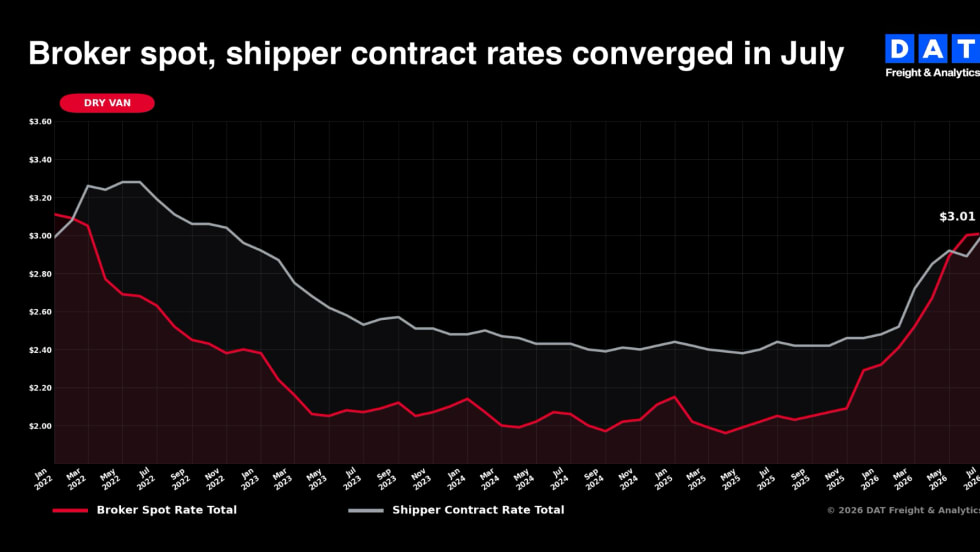
Tight Trucking Capacity Pushes Rates Higher Even as Freight Volumes Fall
“Spot rates moving ahead of contract rates have historically signaled a tightening market, but we haven’t seen a capacity-driven market quite like this one,” said DAT's Dean Croke.
Read More →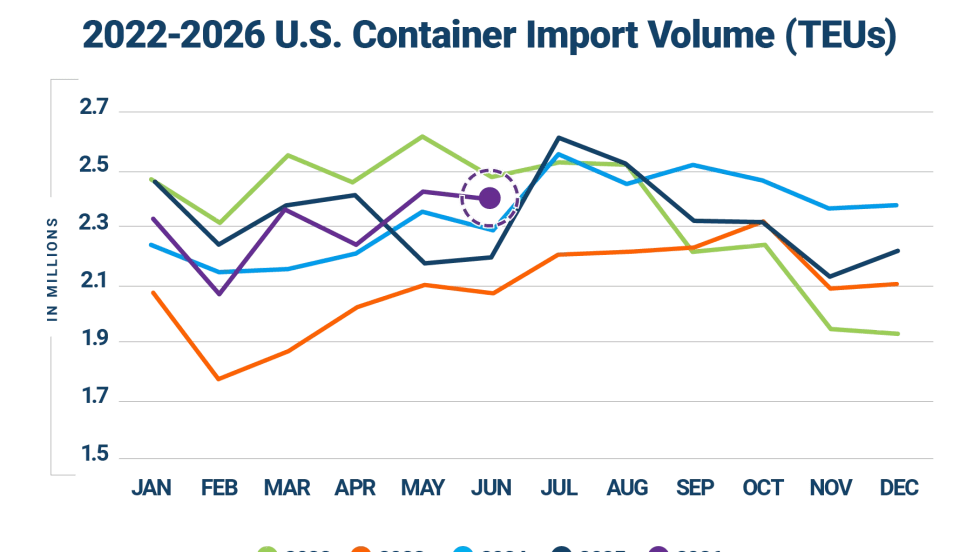
Import Cargo’s Early Peak Season is Winding Down
There was an early start to peak season this year at the nation's gateway ports, as retailers brought in merchandise ahead of tariff changes in late July and responded to other supply chain uncertainties,
Read More →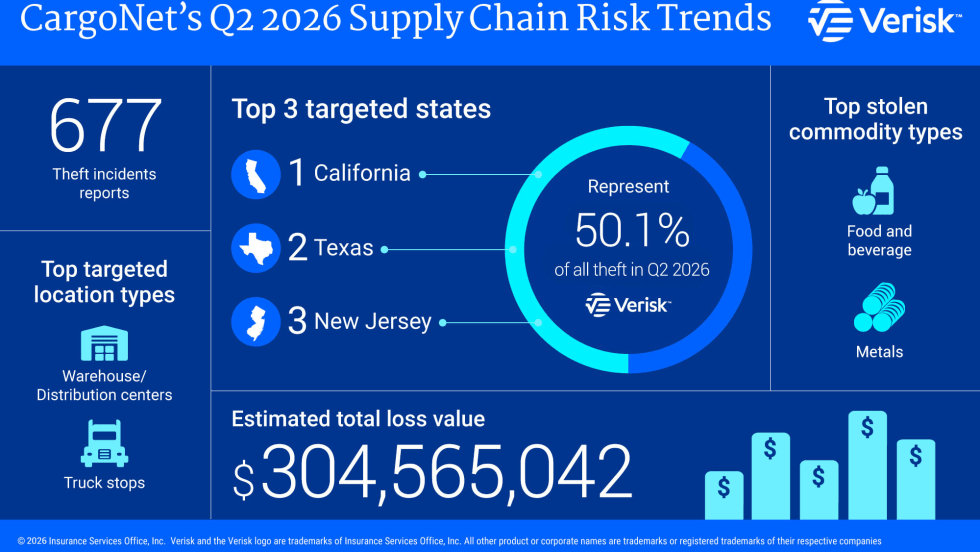
Fewer Cargo Thefts, Bigger Losses: Criminals Target Higher-Value Loads
CargoNet says organized theft rings are stealing fewer shipments but choosing more valuable freight, including metals and technology, resulting in record losses.
Read More →
How Innovative Trucking Leaders Turn Change Into an Advantage
As the pace of change accelerates in trucking, the fleets that adapt best have more than the latest technology. They have cultures that embrace improvement.
Read More →
Freight Broker Bonds Just Got Harder to Get. Here's What That Means for Your Fleet.
When it gets harder for a freight broker to prove they are financially sound, the ones who cannot clear that bar get pushed out of the market. And those are exactly the brokers who used to leave motor carriers holding the bag.
Read More →
Long-Awaited Canadian Border Bridge to Open in Detroit
For trucking, the bridge opening should offer immediate improvements in efficiency and reliability, with new customs facilities, expanded inspection capacity, and direct freeway-to-freeway connections.
Read More →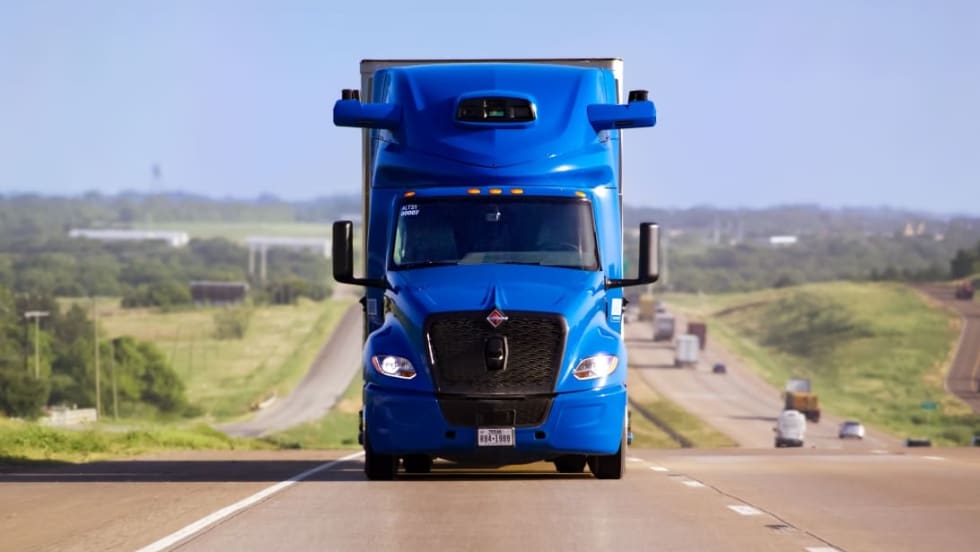
Aurora Rolls Out Next Generation of Driverless Trucks for Commercial Freight
Aurora's latest autonomous trucks it's rolling out with International feature lower-cost hardware designed for a million miles as the company expands commercial driverless freight operations across the U.S. Sun Belt.
Read More →