





You also may like: HDT’s Innovators Reflect on Pandemic Year
Delta Prompts FMCSA to Extend COVID-19 Exemptions
With the Delta variant causing a surge in the COVID-19 pandemic, the Federal Motor Carrier Safety Administration has extended emergency exemptions for certain hours of service rules and for state licensing offices.
August 31, 2021
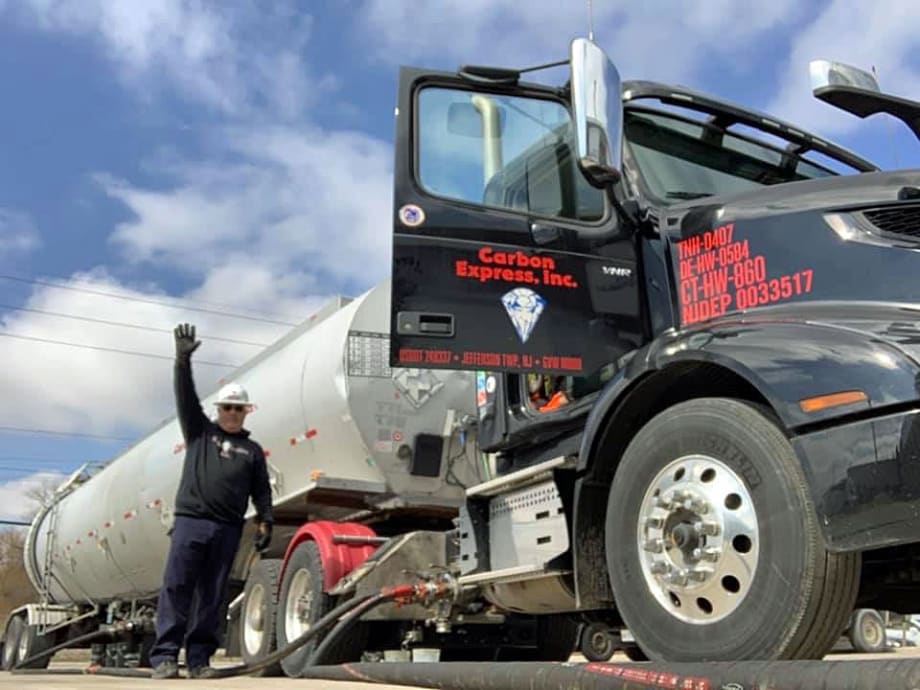
Fuel relief loads are one of the commodities covered under the FMCSA's extended COVID-19 emergency exemption.
Photo: Carbon Express
4 min to read
With the Delta variant causing a surge in the COVID-19 pandemic, the Federal Motor Carrier Safety Administration has extended emergency exemptions for motor carriers.
Back in March of 2020, FMCSA first issued Emergency Declaration No. 2020-002 in response to the declaration of a national emergency due to the pandemic. The national declaration was the first of its kind. Since then, the agency has extended and modified it several times, expanding and removing categories of supplies, equipment and persons covered by the exemption in response to changing needs for emergency relief.
On May 26, FMCSA extended the modified emergency declaration through Aug. 31, but on that day, FMCSA announced is continuing the exemption through Nov. 30 because the presidentially declared emergency remains in place.
Although the number of COVID-19 cases began to decline in the U.S. following widespread introduction of vaccinations, the agency explains in its notice, the Delta variant and lagging vaccination rates reversed that downward trajectory and have resulted in a rapid rise in infections and hospitalizations around the country. Therefore, a continued exemption is needed to support direct emergency assistance for some supply chains.
Motor carriers and drivers providing direct assistance in support of relief efforts related to the COVID-19 public health emergency are granted emergency relief from the hours of service rules in 49 CFR § 395.3, maximum driving time for property-carrying vehicles.
“Direct assistance” means transportation and other relief services provided by a motor carrier or its driver(s) incident to the immediate restoration of essential services (such as medical care) or essential supplies related to COVID-19 during the emergency.
The exemption is limited to transportation of:
livestock and livestock feed
medical supplies and equipment related to the testing, diagnosis and treatment of COVID-19
vaccines, constituent products, and medical supplies and equipment, including ancillary supplies/kits for the administration of vaccines, related to the prevention of COVID-19
supplies and equipment necessary for community safety, sanitation, and prevention of community transmission of COVID-19 such as masks, gloves, hand sanitizer, soap and disinfectants
food, paper products and other groceries for emergency restocking of distribution centers or stores
gasoline, diesel, jet fuel, and ethyl alcohol
supplies to assist individuals impacted by the consequences of the COVID-19 pandemic (e.g., building materials for individuals displaced or otherwise impacted as a result of the emergency).
Direct assistance does not include non-emergency transportation of these commodities or routine commercial deliveries, including mixed loads with a nominal quantity of qualifying emergency relief added to obtain the benefits of this emergency declaration. To be eligible for the exemption, the transportation must be both of qualifying commodities and incident to the immediate restoration of those essential supplies, officials stressed.
The notice also directs motor carriers that voluntarily operate under the terms of this exemption to report within five days after the end of each month their reliance on the Declaration. To report, motor carriers will access their portal account at https://portal.fmcsa.dot.gov/login.
Licensing Exemptions
FMCSA also has extended the waivers for commercial driver’s licenses, commercial learners permits, and medical certificates, again, through the end of November.
This exemption allows states to extend the validity of CDLs and CLPs and to waive the 14-day waiting period and grants other waivers from certain regulations applicable to interstate and intrastate CDL and CLP holders and to other interstate drivers operating commercial motor vehicles.
During the COVID-19 public health emergency, many state driver licensing agencies closed or reduced hours of operation to reduce the spread of the virus. While states have now reopened their license offices, the FMCSA explains, the Delta variant has impacted the pace of return to normal customer service levels in some states. As a result, some CDL and CLP holders may be unable to renew their CDLs and CLPs or provide medical certificates to their SDLA. In addition, due to limited operations or backlogs, drivers may be unable to obtain appointments for physical examinations with medical examiners to comply with the Federal Motor Carrier Safety Regulations.
However, some state agencies may choose not to extend the validity periods for CDL/CLPs. Carriers and drivers should check with their state agencies to ensure compliance.
Additionally, FMCSA has extended waivers related to third-party CDL skills test examiners.
More Safety & Compliance

FMCSA Pauses Biennial-Update Enforcement Amid Motus Transition
Carriers whose updates were due on or after June 1 have more time, while FMCSA works to stabilize its new registration system and warns of phishing sites impersonating its new carrier registration system, Motus.
Read More →
ZF Expands Commercial Vehicle Push in North America
ZF is expanding its North American commercial-vehicle presence with new transmission applications, electrification, trailer technology and autonomous-driving systems.
Read More →
Truck Drivers Need More Than Another Alert
Fleets have more visibility into truck health, safety events, and driver activity than ever. The next challenge is turning all that information into useful guidance for the person who has to decide what to do next.
Read More →
Tesla Wants a Self-Driving Semi. Are Cameras Enough?
Could Tesla’s camera-only autonomous driving technology work on an 80,000-pound Semi? In this commentary, HDT's Deborah Lockridge takes a look at Tesla, Cybercab, and how autonomous trucks see the road.
Read More →
What DOT’s Automated Vehicle Strategy Means for Trucking
The U.S. Department of Transportation issued a new automated-vehicle strategy that outlines plans for driverless-truck regulations, cross-state freight corridors, and federal safety standards.
Read More →
NYC Expands Speed, Pedestrian Safety Tech Across Fleet
New York City is expanding intelligent speed assistance and pedestrian-alert systems across its municipal fleet, moving the technologies from pilot programs into vehicle procurement and retrofit requirements.
Read More →
FMCSA Removes 110 Truck Driver Training Schools from Certified ELDT List
Federal regulators also are targeting more than 160 additional training providers and launching a nationwide audit of third-party CDL skills testers as part of a broader crackdown on trucking fraud.
Read More →
Beyond DOT Compliance: What Makes a Trucking Fleet Truly Safe?
A trucking fleet can follow every rule and still make unsafe decisions. The real test comes when safety conflicts with freight, productivity, or cost.
Read More →
Hours of Service Pilot Programs: FMCSA Readies for 2027 Rollout
Two pilot programs could eventually reshape hours-of-service rules, giving truck drivers options to pause their 14-hour clock or use longer split sleeper rest periods.
Read More →
New Guide Offers Pet Safety Tips for Truck Drivers
Hundreds of thousands of pets travel in truck cabs. A new safety guide from Volvo Trucks and the Center for Pet Safety offers practical advice for truck drivers who bring dogs and cats along for the ride.
Read More →