




Related: Renewable Fuel Boosts Diesel's Dominance, Tech Forum Says
Cummins Approves Renewable Diesel for Medium-Duty Engines
Cummins announced that its B4.5, B6.7 and L9 engine platforms are compatible with certain kinds of renewable diesel fuels.
by Staff
May 31, 2017
Photo: Cummins
2 min to read
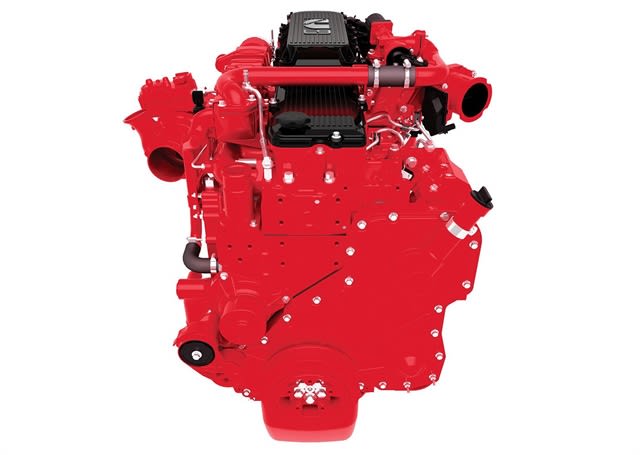
Photo: Cummins
Cummins announced that its B4.5, B6.7, and L9 engine platforms are compatible with certain kinds of renewable diesel fuels.
Both on-highway and off-highway versions of the engines and all vintages are approved to use paraffinic renewable diesel fuels meeting the EN 15940 specification. Compared to conventional diesel fuels, paraffinic diesel fuels can potentially reduce greenhouse gas emissions by 40% to 90% over the total life of the vehicles, according to Cummins.
Cummins held an 18-month field test of its engines running 100% paraffinic diesel fuels in order to study the effects of the fuel on engine performance, aftertreatment and fuel system durability. Engine performance remained stable and consistent while using the paraffinic fuel, Cummins found. Depending on the application and engine duty cycle, fuel economy could take a hit of up to 6%, mostly due to the lower density of paraffinic fuels compared to regular diesel.
Cummins approval for the use of renewable diesel with B6.7 and L9 engines aligns with the introduction of EN 15940, a final European CEN specification for paraffinic diesel fuels. Paraffinic fuels include hydrotreated vegetable oil, gas-to-liquids, and biomass-to-liquids. Operators of Cummins-powered trucks and buses are required to source all paraffinic fuels from high-purity suppliers meeting EN 15940, as this ensures that the fuel contains the necessary lubricity additive for use in a diesel engine.
The company is currently putting other light-duty, heavy-duty and high-horsepower engine platforms through similar field tests; Cummins will announce the results of the studies later in the year.
"Focused on energy diversity and enabling the power of choice, Cummins has provided another approved fuel option to help the continued reduction of emissions," said Jim Fier, Cummins vice president, engineering. “The use of paraffinic diesel allows customers to minimize their emissions-based footprints without additional capital investment. Plus, they have the comfort of knowing that Cummins conducted a thorough analysis prior to approval.”
More Fuel Smarts

FlowBelow Redesigns Trailer AeroSlider to Cut Fuel Use
The lighter trailer aerodynamic system installs in less than 45 minutes, according to the company, with potential payback in under a year depending on fuel prices and trailer mileage.
Read More →
Why Diesel Price Relief Efforts May Fall Short
Diesel prices have eased from September’s record high, but doubts about additional Russian supply and limits on dyed-diesel tax relief mean trucking fleets still face expensive fuel. And prices could go higher.
Read More →
Why Small Fuel Savings Matter in Trucking
Can better fuel economy help pay for driver raises? In this podcast, GP Transco explains how small efficiency gains create room to reinvest in its people.
Read More →
How GP Transco Cuts Trucking Fuel Costs, a Tenth of a Gallon at a Time
What’s another tenth of a mile per gallon worth? GP Transco shares how equipment upgrades and driver coaching turn small gains into meaningful fuel savings.
Read More →
Electric Yard Tractors Move Beyond Pilots
Operating-cost savings have overtaken sustainability goals as the leading reason surveyed fleets are adopting battery-electric terminal tractors, according to new NACFE research.
Read More →
Geotab Links Fleet Card to Vehicle Data
The new card combines fuel discounts with telematics-based purchase controls. Geotab’s analysis also points to potential savings from choosing lower-priced fuel stops.
Read More →
Fleet Economics Shape Electric Truck Outlook
ACT Research expects costs, charging infrastructure, and technology improvements to drive zero-emission commercial vehicle adoption as federal regulations and incentives retreat.
Read More →
Wex Adds Cardless Fuel Payments for Over-the-Road Customers
A new fuel card feature for Wex customers offers convenience and security.
Read More →
New California Law Could Shed Light on Electric Truck Prices
Why do battery-electric Class 8 trucks remain so expensive? A California bill signed by Gov. Gavin Newsom would give fleets and state agencies more visibility into what manufacturers charge.
Read More →
How Volvo Updated Its D13 for EPA 2027 [Watch]
Volvo’s updated D13 promises lower emissions without sacrificing performance or fuel economy. Take a closer look at what changed inside the engine in this HDT Spotlight video.
Read More →