




Related: Cheaper Renewable Diesel May be Possible With Modified Yeast
Renewable Fuel Boosts Diesel's Dominance, Tech Forum Says
Alan Schaeffer of the Diesel Technology Forum also cited data showing that in emissions-sensitive southern California, more particulates come from brake dust and tire wear than from heavy diesel trucks.
by Staff
March 31, 2017
Screenshot via Neste YouTube
2 min to read

Screenshot via Neste YouTube
Renewable diesel fuel made from organic materials will enhance the dominant position of Clean Diesel engines among the world’s power sources, the head of a diesel advocacy group told a seminar in San Francisco yesterday.
Alan Schaeffer, executive director of the Diesel Technology Forum, outlined how renewable diesel fuels build on the near-zero-emissions diesel engine and emission control systems. He also cited data showing in emissions-sensitive southern California, more particulates come from brake dust and tire wear than from heavy diesel trucks.
His remarks came at the Renewable Diesel Seminar, hosted by the Neste Corp., a leading supplier of renewable diesel, with additional presentations by officials from the San Francisco Department of the Environment, the City of Oakland, and the Natural Resources Defense Council.
“Diesel engines remain the workhorse of the global economy and have evolved to retain that position in the future,” Schaeffer said. “New clean diesel technology across all applications has now transformed to achieve near-zero emissions, while still maintaining an efficiency advantage over other energy sources.
“As we work toward a sustainable future, the utilization of advanced renewable diesel fuels enhances all diesel performance and ensures diesel’s long-term suitability for helping achieve environmental, energy, climate and sustainability goals of nations, states, cities, and fleets.”
Renewable diesel fuel is made from 100% renewable raw materials and results in a 40-90% reduction in greenhouse gas emissions over the fuel's lifecycle when compared with traditional petroleum diesel. Cities like San Francisco and Oakland have switched their truck and equipment fleets to renewable diesel as a cost-effective policy to immediately lower emissions in their regions.
“Renewable diesel is suitable for all diesel engines and its significant reduction in greenhouse gas emissions offers immediate societal and customer benefits and an overnight transformation of the carbon footprint,” Schaeffer said.
The latest engines and ultra-low sulfur diesel fuel have virtually eliminated particulate matter and NOx emissions in the past 15 years, he said. He also noted that more fine particulates in Southern California come from brake dust and tire wear than from heavy-duty diesel trucks, according to California Air Resources Board data.
He added that diesel advancements were especially significant because diesel engines power over 90% of heavy-duty trucks in the U.S. and an overwhelming majority of all off-road construction and agricultural engines.
“There are new advancements in engine thermal efficiency, diesel engine hybridization, and innovations in system efficiency which mean even lower emissions and improved efficiency,” he said.
Schaeffer also highlighted how the integration of clean diesel generators in microgrids for electric power generation is allowing communities to utilize “the solar and wind renewable energy they want with the reliability they need from diesel generators.”
More Fuel Smarts

Trucking’s Diesel Squeeze Isn’t Letting Up
With diesel topping $6 a gallon nationally, ATA's Bob Costello explains why fleets should prepare for continued pressure at the pump.
Read More →
FlowBelow Redesigns Trailer AeroSlider to Cut Fuel Use
The lighter trailer aerodynamic system installs in less than 45 minutes, according to the company, with potential payback in under a year depending on fuel prices and trailer mileage.
Read More →
Why Diesel Price Relief Efforts May Fall Short
Diesel prices have eased from September’s record high, but doubts about additional Russian supply and limits on dyed-diesel tax relief mean trucking fleets still face expensive fuel. And prices could go higher.
Read More →
Why Small Fuel Savings Matter in Trucking
Can better fuel economy help pay for driver raises? In this podcast, GP Transco explains how small efficiency gains create room to reinvest in its people.
Read More →
How GP Transco Cuts Trucking Fuel Costs, a Tenth of a Gallon at a Time
What’s another tenth of a mile per gallon worth? GP Transco shares how equipment upgrades and driver coaching turn small gains into meaningful fuel savings.
Read More →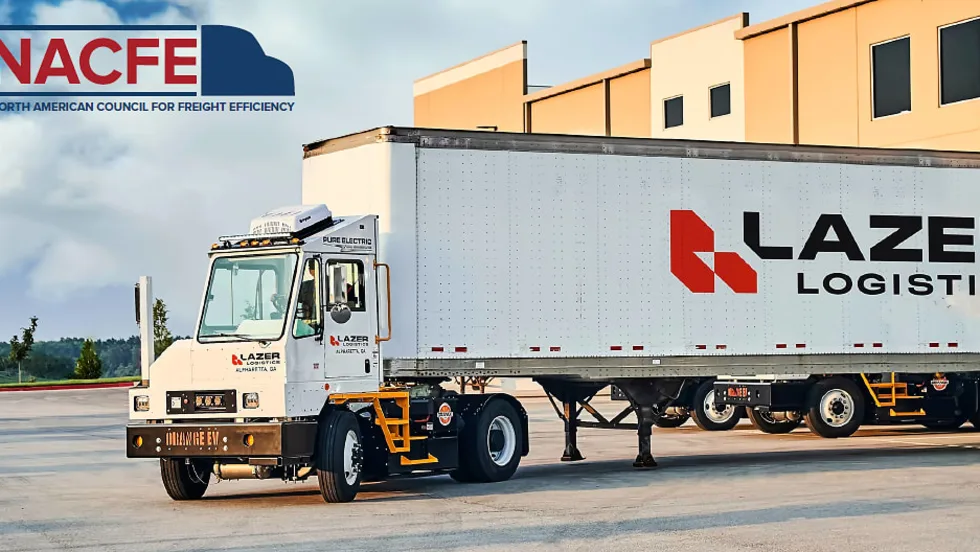
Electric Yard Tractors Move Beyond Pilots
Operating-cost savings have overtaken sustainability goals as the leading reason surveyed fleets are adopting battery-electric terminal tractors, according to new NACFE research.
Read More →
Geotab Links Fleet Card to Vehicle Data
The new card combines fuel discounts with telematics-based purchase controls. Geotab’s analysis also points to potential savings from choosing lower-priced fuel stops.
Read More →
Fleet Economics Shape Electric Truck Outlook
ACT Research expects costs, charging infrastructure, and technology improvements to drive zero-emission commercial vehicle adoption as federal regulations and incentives retreat.
Read More →
Wex Adds Cardless Fuel Payments for Over-the-Road Customers
A new fuel card feature for Wex customers offers convenience and security.
Read More →
New California Law Could Shed Light on Electric Truck Prices
Why do battery-electric Class 8 trucks remain so expensive? A California bill signed by Gov. Gavin Newsom would give fleets and state agencies more visibility into what manufacturers charge.
Read More →