





CTA Creates ArriveCAN Training Package for Cross-Border Truckers
CTA Touts Progress in Canadian ELD Certification
The third-party system to certify electronic logging devices for the Canadian market is entering high gear, says a Canadian trucking association, but it is “strongly encouraging” carriers to meet with ELD vendors ahead of the June 12 deadline.
March 23, 2021
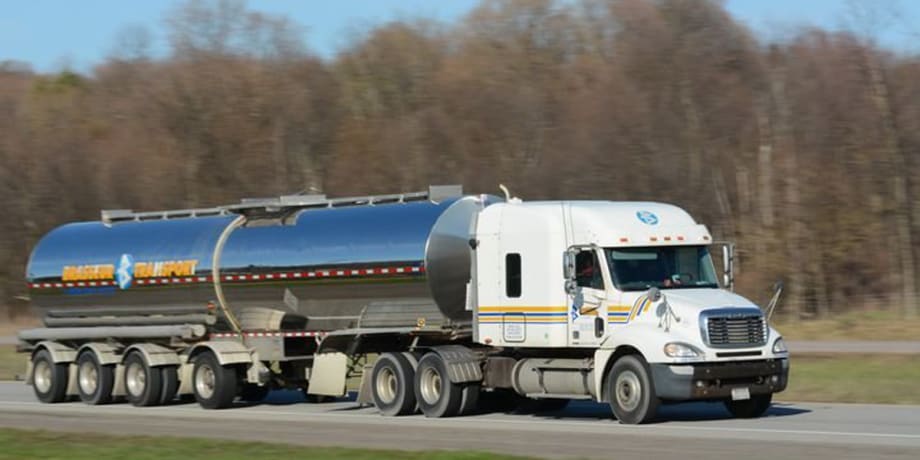
The third-party system to certify ELD devices for the Canadian market is entering high gear with over a dozen vendors engaged in various stages of the certification process.
Photo: Jim Park
2 min to read
Despite concerns about the lack of certified electronic logging devices in Canada with a June deadline looming, the Canadian Trucking Alliance this week said the third-party system to certify ELD devices for the Canadian market is entering high gear.
The CTA is “strongly encouraging” Canadian carriers currently not operating electronic logging devices to meet with vendors and select their preferred system ahead of June 12. U.S. motor carriers that operate trucks across the border into Canada also will need to make sure they have ELD devices certified by Canadian rules.
The association said there are more than a dozen vendors engaged in various stages of the certification process. Some vendors in the process have even submitted multiple devices for certification, guaranteeing carriers operating in Canada have a "plethora of certified devices to select from" as the mandate approaches, CTA officials said.
This is in contrast to recent reports that with only one entity so far approved to certify Canadian ELDs, FPInnovations of Pointe Claire, Quebec, and no devices actually certified as yet, that motor carriers on both sides of the border would be in a tough place trying to meet the deadline.
Several ELD suppliers have issued announcements to assure Canada’s trucking industry that they will have devices ready to comply with the June 12 deadline.
Many U.S. ELDs may not be certified, given there are hundreds of devices in use in this country. Some estimates project that only about 10 to 15% of the ELD suppliers currently producing product for the U.S. market will even attempt to certify in Canada.
The CTA recommends carriers “complete their due diligence on various operating systems” so that once these systems are certified, carriers can make informed decisions in a timely manner for their onboarding process, officials said in a press release.
Phased-in Enforcement
In early March, the Canadian government announced that due to COVID-19, it would implement a phased-in enforcement approach, saying "we will work together on the successful and effective implementation of a progressive enforcement period."
The Canadian Council of Motor Transport Administrators has established a committee to develop an enforcement strategy to address the Canadian government’s electronic logging device mandate that will be federally regulated this June.
In February, the Canadian Trucking Alliance submitted a 12-month progressive enforcement strategy to CCMTA that would allow the enforcement community to deal with carriers operating paper logs and ELDs as the mandate takes shape starting in June, CTA President Stephen Laskowski said. The Private Motor Truck Council of Canada also has been pushing for a phased-in enforcement period.
More Safety & Compliance

FMCSA Pauses Biennial-Update Enforcement Amid Motus Transition
Carriers whose updates were due on or after June 1 have more time, while FMCSA works to stabilize its new registration system and warns of phishing sites impersonating its new carrier registration system, Motus.
Read More →
ZF Expands Commercial Vehicle Push in North America
ZF is expanding its North American commercial-vehicle presence with new transmission applications, electrification, trailer technology and autonomous-driving systems.
Read More →
Truck Drivers Need More Than Another Alert
Fleets have more visibility into truck health, safety events, and driver activity than ever. The next challenge is turning all that information into useful guidance for the person who has to decide what to do next.
Read More →
Tesla Wants a Self-Driving Semi. Are Cameras Enough?
Could Tesla’s camera-only autonomous driving technology work on an 80,000-pound Semi? In this commentary, HDT's Deborah Lockridge takes a look at Tesla, Cybercab, and how autonomous trucks see the road.
Read More →
What DOT’s Automated Vehicle Strategy Means for Trucking
The U.S. Department of Transportation issued a new automated-vehicle strategy that outlines plans for driverless-truck regulations, cross-state freight corridors, and federal safety standards.
Read More →
NYC Expands Speed, Pedestrian Safety Tech Across Fleet
New York City is expanding intelligent speed assistance and pedestrian-alert systems across its municipal fleet, moving the technologies from pilot programs into vehicle procurement and retrofit requirements.
Read More →
FMCSA Removes 110 Truck Driver Training Schools from Certified ELDT List
Federal regulators also are targeting more than 160 additional training providers and launching a nationwide audit of third-party CDL skills testers as part of a broader crackdown on trucking fraud.
Read More →
Beyond DOT Compliance: What Makes a Trucking Fleet Truly Safe?
A trucking fleet can follow every rule and still make unsafe decisions. The real test comes when safety conflicts with freight, productivity, or cost.
Read More →
Hours of Service Pilot Programs: FMCSA Readies for 2027 Rollout
Two pilot programs could eventually reshape hours-of-service rules, giving truck drivers options to pause their 14-hour clock or use longer split sleeper rest periods.
Read More →
New Guide Offers Pet Safety Tips for Truck Drivers
Hundreds of thousands of pets travel in truck cabs. A new safety guide from Volvo Trucks and the Center for Pet Safety offers practical advice for truck drivers who bring dogs and cats along for the ride.
Read More →