




Containers from China Overwhelming L.A., Long Beach Ports; Shippers Want New Port in Mexico
The Los Angeles Times reported earlier this month that a coalition of shipping interests wants Mexico to build a $1-billion port 150 miles south of Tijuana on the Baja peninsula
The Los Angeles Times reported earlier this month that a coalition of shipping interests wants Mexico to build a $1-billion port 150 miles south of Tijuana on the Baja peninsula.
They hope to link the port to California with a new rail line connecting to the Imperial Valley. The new port at Punta Colonet would compete with seriously congested Los Angeles and Long Beach ports.
The L.A. Times said the Punta Colonet facility would require construction of roads, housing and other infrastructure on what is now farmland. It would be one of the largest public works projects ever undertaken in Mexico.
Lobbyists for shipping interests are telling the Mexican government there would be enough traffic and investment to underwrite a major portion of the cost to build the port and a new city to serve it. At stake is a share of the estimated $200 billion in revenue generated annually by shipping through California.
"We have to get Colonet developed. There are no other viable West Coast options," Walter J. Romanowski, an executive with Los Angeles-based Marine Terminals Corp., told the L.A. Times.
Romanowski said he wanted the right to build a complex of berths, warehouses and cranes that by 2012 could be running 1 million standard container units a year, about one-seventh the current volume at the Los Angeles port. Construction of the proposed Mexican port would take at least five years, the shipping companies say.
The L.A. Times said one reason for the new port proposal is container traffic out of China growing at an explosive rate - 15% or more per year - overwhelming the Long Beach and Los Angeles port complex, the world's third-largest.
Tie-ups at the L.A.-Long Beach ports last year sparked international anxiety when a flood of Asian cargo clogged docks, rail lines and highways, forcing giant container ships to idle offshore.
More Equipment
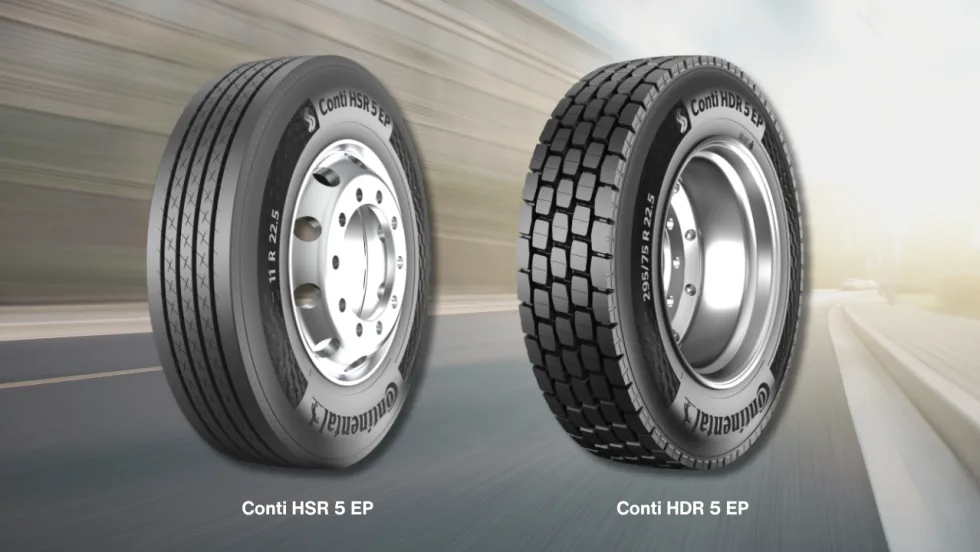
Continental Introduces New Regional Truck Tires
Continental says its new Generation 5 steer and drive tires for regional operations offer longer tread life, with estimated mileage gains of 22% and 19%, respectively.
Read More →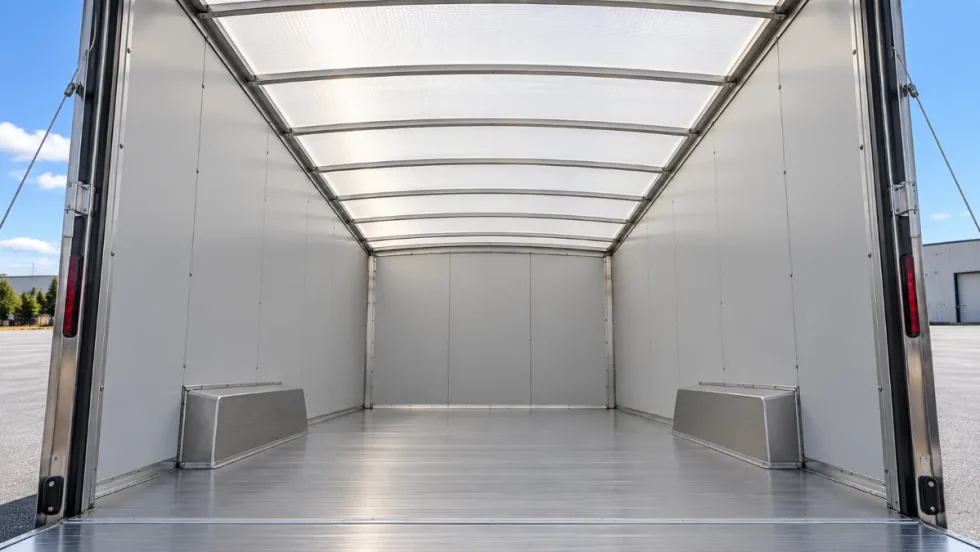
Tekmodo Introduces CargoBright Brand for Translucent Trailer Roofs
CargoBright is designed to diffuse daylight across the cargo area while performing as a working vehicle roof.
Read More →
Fleet Economics Shape Electric Truck Outlook
ACT Research expects costs, charging infrastructure, and technology improvements to drive zero-emission commercial vehicle adoption as federal regulations and incentives retreat.
Read More →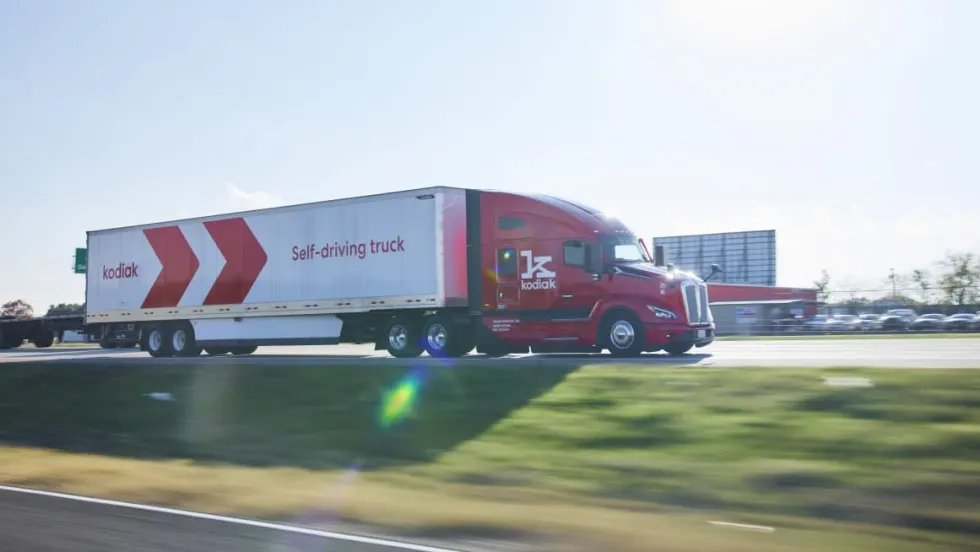
Kodiak Targets Dallas–Houston for Driverless Trucks
The company says its autonomous trucks are completing the I-45 run without a safety observer taking control. It plans to remove the observer by the end of 2026.
Read More →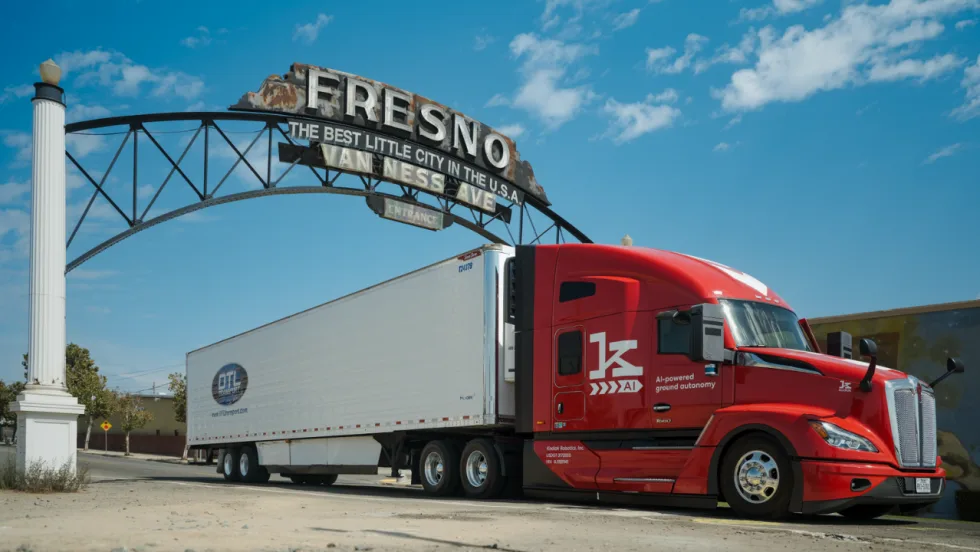
Kodiak Hauls Produce in California Autonomous Truck Pilot
Kodiak AI and DTL Transport have begun hauling produce between Fresno and Los Angeles under California’s new rules for testing heavy-duty autonomous trucks. A safety driver remains behind the wheel.
Read More →
Used-Truck Remarketing Math Is Changing
Used-truck value is no longer just a concern at trade-in. Decisions made throughout a truck’s first life can influence what it’s worth years later.
Read More →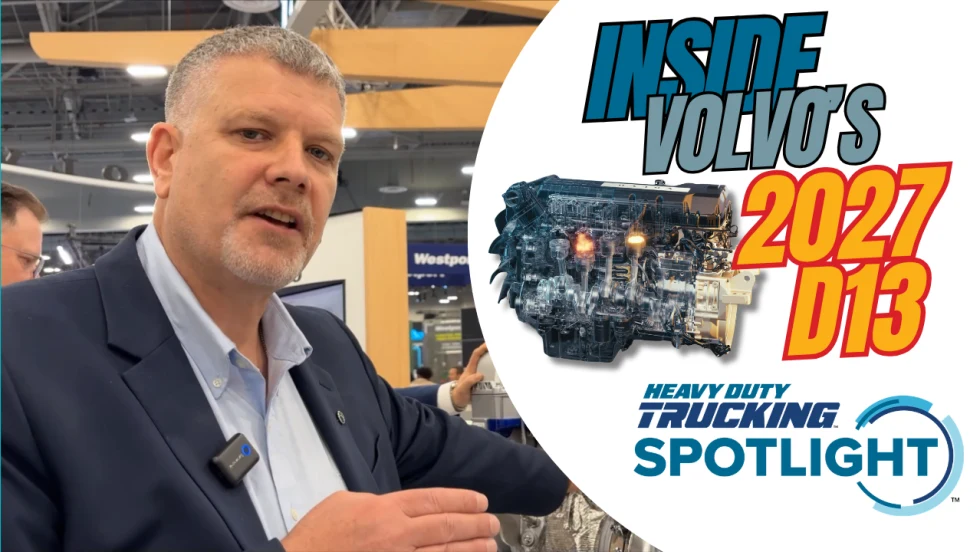
How Volvo Updated Its D13 for EPA 2027 [Watch]
Volvo’s updated D13 promises lower emissions without sacrificing performance or fuel economy. Take a closer look at what changed inside the engine in this HDT Spotlight video.
Read More →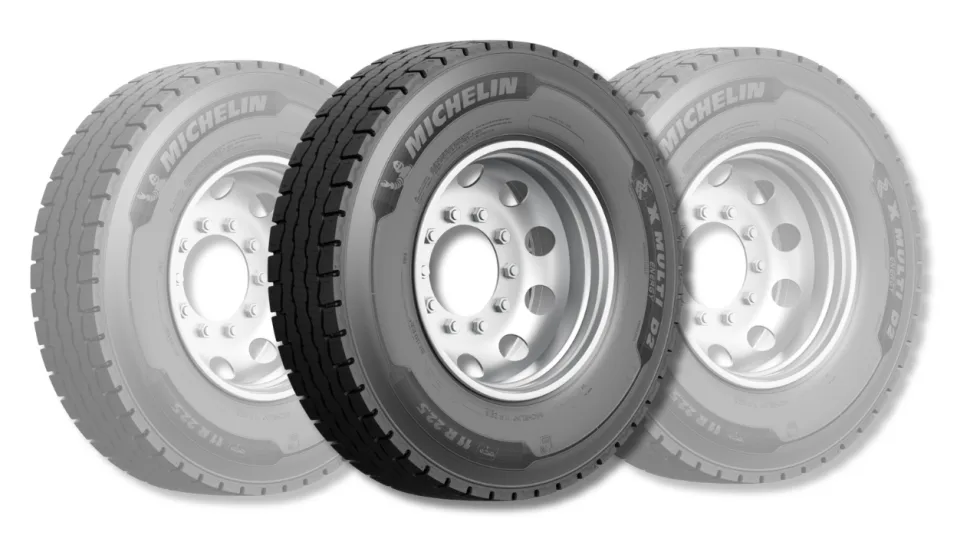
Michelin Tire Improves Efficiency and Durability for Regional Fleets
The Michelin X Multi Energy D2 is a regional haul drive tire engineered to help fleets improve fuel efficiency, durability and traction in demanding stop-and-go operations.
Read More →
ZF Expands Commercial Vehicle Push in North America
ZF is expanding its North American commercial-vehicle presence with new transmission applications, electrification, trailer technology and autonomous-driving systems.
Read More →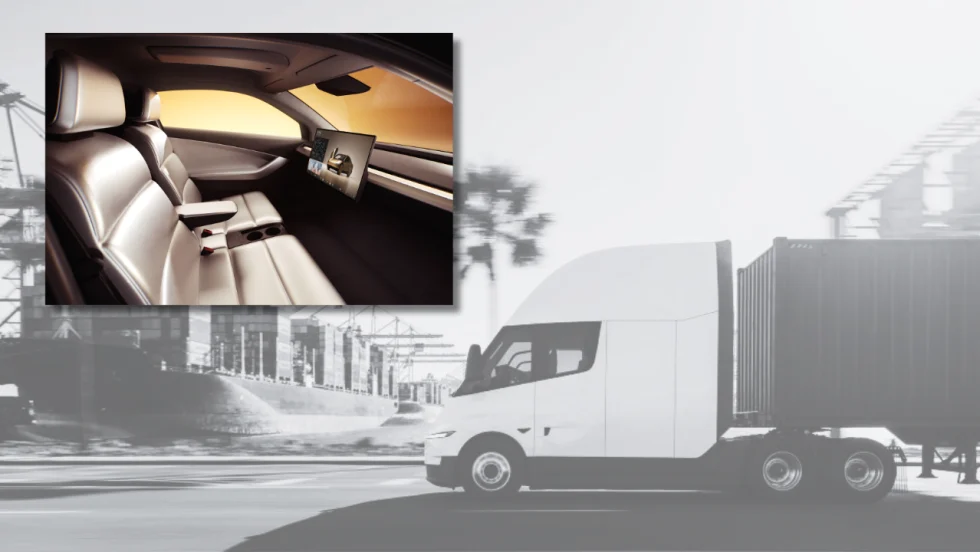
Tesla Wants a Self-Driving Semi. Are Cameras Enough?
Could Tesla’s camera-only autonomous driving technology work on an 80,000-pound Semi? In this commentary, HDT's Deborah Lockridge takes a look at Tesla, Cybercab, and how autonomous trucks see the road.
Read More →