




Concerned About Cabotage
As the U.S. prepares to open the border to Mexican trucks, safety is not the only concern. Owner-operators in this country fear that low-paid Mexican drivers will take the freight out of their trucks
As the U.S. prepares to open the border to Mexican trucks, safety is not the only concern. Owner-operators in this country fear that low-paid Mexican drivers will take the freight out of their trucks.
Todd Spencer, executive vice president of the Owner-Operator Independent Drivers Assn., said that Mexicans will slip into the U.S. brokerage system as a low-cost alternative to American independents. "If you can get across the border you’re home free," he said.
Department of Transportation officials are not willing to say that will not happen, but whoever does it will have to work pretty hard to avoid U.S. regulations.
In fact, for Mexican trucking companies, getting permission to cross the border may be the easy part. From the moment he is in the U.S., the Mexican trucker must deal with a regulatory maze as difficult to untangle as a room full of spaghetti.
In the U.S., there are three sets of regulations covering cabotage – the domestic operations of a foreign-based entity. Each set of rules overlaps with the other, and each is enforced by a different federal agency.
Interstate Commerce Act regulations, enforced by the Federal Motor Carrier Safety Administration, cover a carrier’s handling of international shipments. Customs regulations, enforced by the U.S. Customs Service, govern freight movements. And immigration rules, administered by the Immigration and Naturalization Service, control the use of foreign drivers.
An international carrier will have to deal with any or all of these regulations, depending on the definition of “international,” the legal status of his equipment and driver, or the intention of the shipper.
Ken Siegel, a Washington, D.C., attorney for the firm Barnes and Thornburg, offered this example. Suppose a Mexican shipper wants to send a box from Mexico City to New York. A Mexican truck line hauls the box to Houston, where it is to be interlined for the trip to New York. If it was the shipper’s intent, as expressed in a through bill of lading, that the trucker carry the box all the way to New York, then the Mexican trucker can make the second leg of the trip.
But it gets more complicated if the trailer is emptied, repositioned or replaced in Houston. Both the Customs Service and INS can get involved with regulations that will change the handling of the shipment.
Or suppose the Mexican driver runs out of hours in Houston. Under INS rules the Mexican company might not be able to replace him with another company driver, which means a U.S. driver might get the job.
INS rules are strictly enforced, said Siegel – drivers can be arrested and the company can be fined as much as $50,000.
Siegel believes that violations of the cabotage rules will show up at border checks and at roadside inspections. "The shipping papers have to match the DOT registration," he said.
Dave DeCarme, head of DOT’s Maritime, Surface, and Facilitation Division, also expects the enforcement system to work – although it will not catch everyone.
"If it is being suggested that some disreputable companies are going to game the system and violate the law, I guess I can’t dispute that," he said. "You get people who look for illegal ways of doing things."
But, he added, he does not think that a well-run Mexican trucking company is going to take the risk. "I think one should bear in mind that the penalties are pretty severe – you end up being bounced out of the trucking business."
Detailed information on U.S. cabotage regulations is available from the Federal Motor Carrier Safety Administration web site: www.fmcsa.dot.gov.
More Equipment
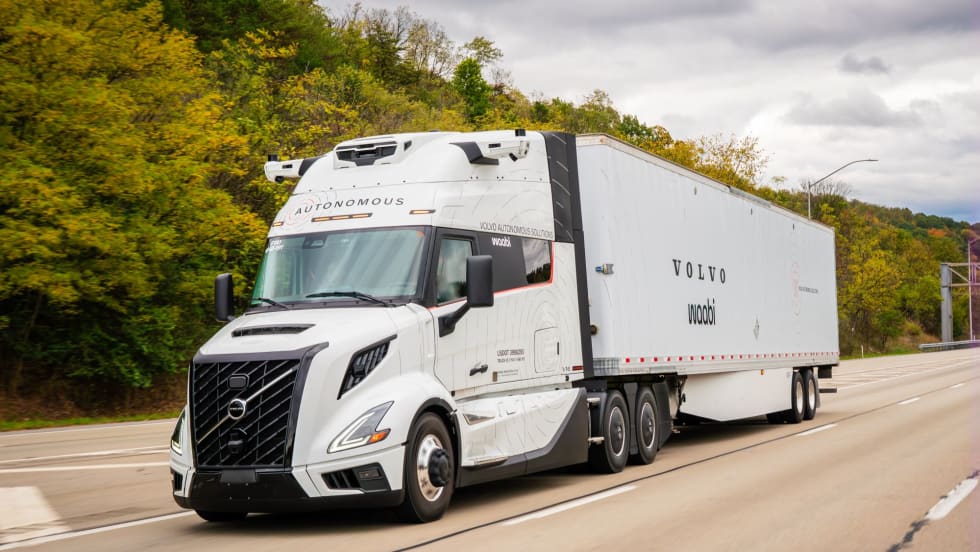
Waabi, Volvo Claim Breakthrough in Scaling Autonomous Trucking
Waabi says its AI-powered virtual driver successfully transferred to Volvo Autonomous Solutions' Volvo VNL Autonomous platform without retraining or additional data, a milestone the companies say could dramatically accelerate commercialization of autonomous trucks.
Read More →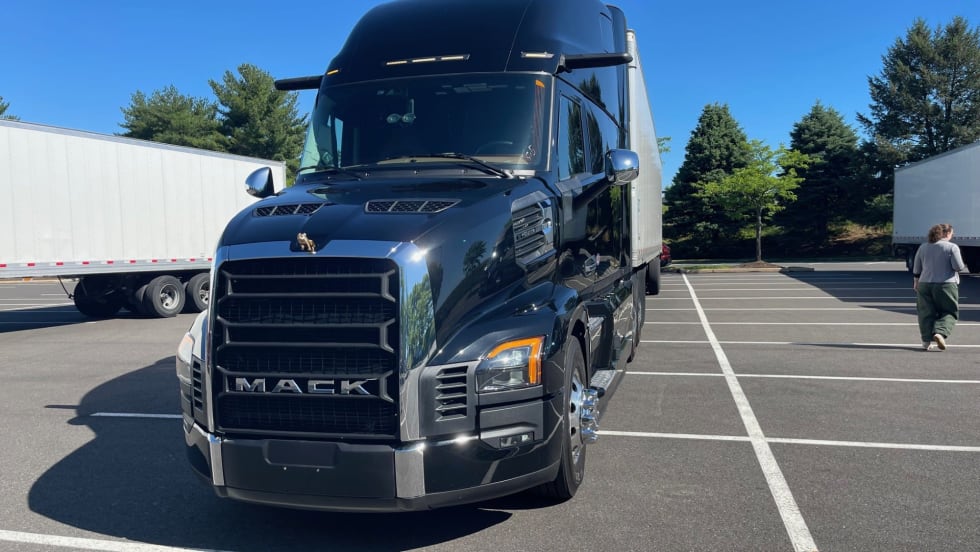
Why the Mack Pioneer Signals a New Era in Class 8 Truck Design
After a public-road drive through eastern Pennsylvania, one thing became clear: Mack's new Pioneer isn't simply packed with technology -- it's been engineered around the driver in ways that could redefine long-haul trucking.
Read More →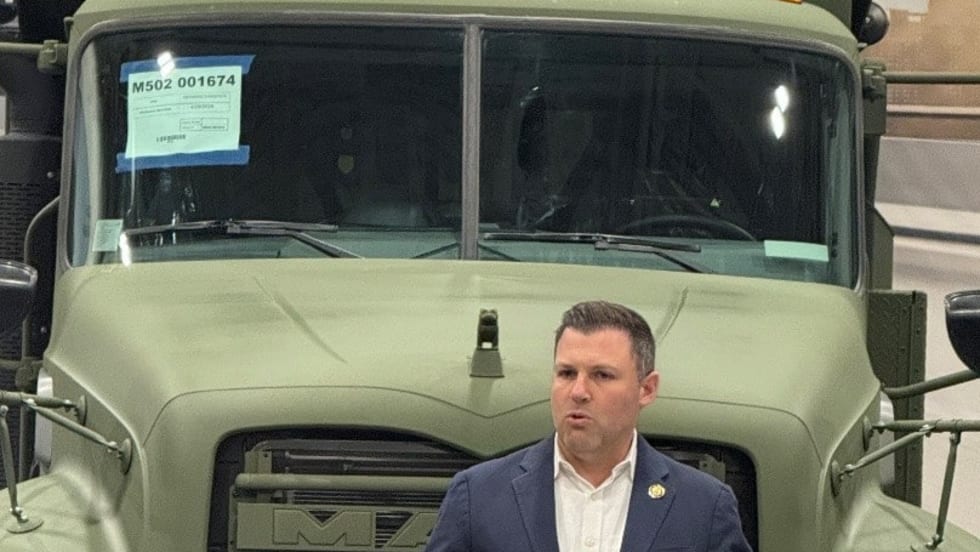
Mack Defense Secures $47 Million to Continue Military Dump Truck Production
President Trump visited Mack Defense’s Macungie, Pennsylvania, facility on June 23 to tout a $47 million Heavy Dump Truck order.
Read More →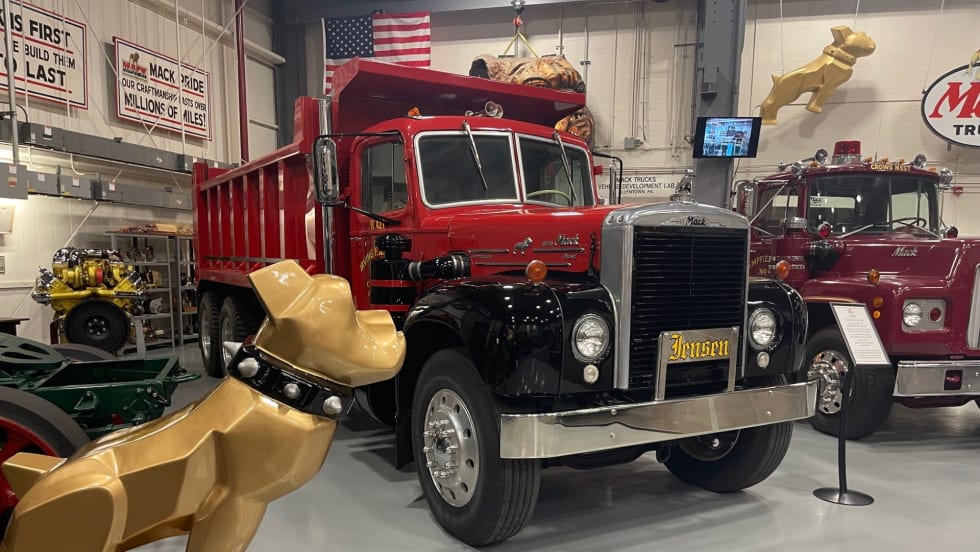
New (Antique) Trucks Take the Spotlight at the Mack Trucks Museum
The Mack Trucks Historical Museum has a slate of new historic vehicles on display this year.
Read More →
WEX, TFS Launch Equipment Financing Program for Trucking Fleets
The companies say the program uses technology to connect fleets with financing providers more efficiently than traditional lending channels.
Read More →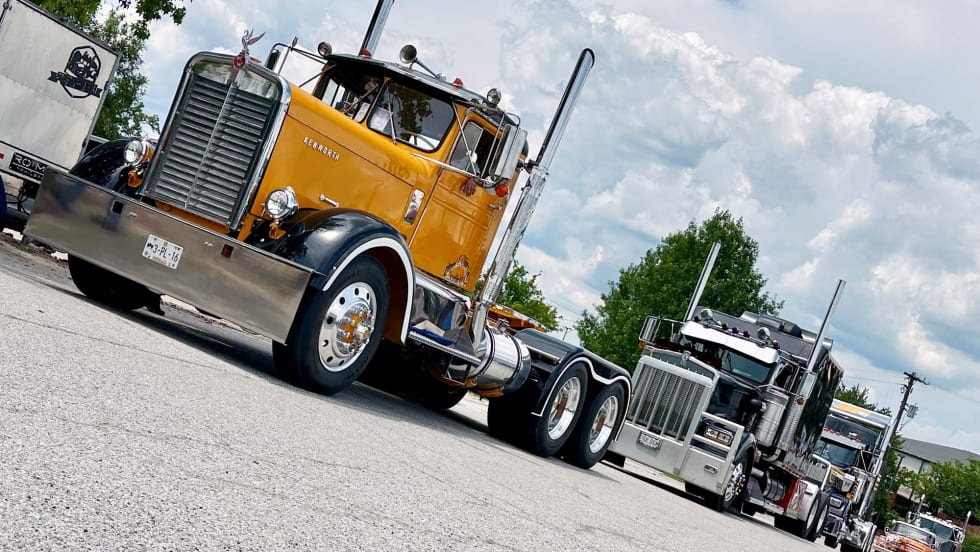
Historic, Vintage, and Antique Trucks at the 2026 ATHS Convention
More than 500 trucks were on display, indoors and out, at the 2026 American Historical Society annual convention in Springfield, Missouri.
Read More →
DTNA Software Update Gives Truckers More Time Before DEF Derates Take Effect
The changes reflect EPA guidance aimed at reducing downtime caused by emissions-system faults while maintaining compliance requirements.
Read More →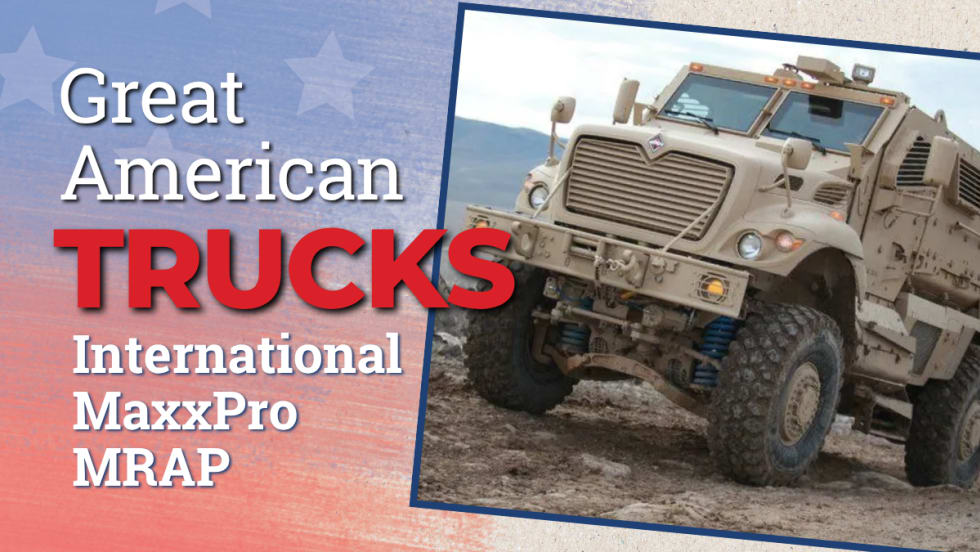
Great American Trucks: The International MaxxPro MRAP
Built from an International WorkStar chassis and powered by a MaxxForce diesel, the MaxxPro MRAP became one of the most important military trucks of the Iraq War era.
Read More →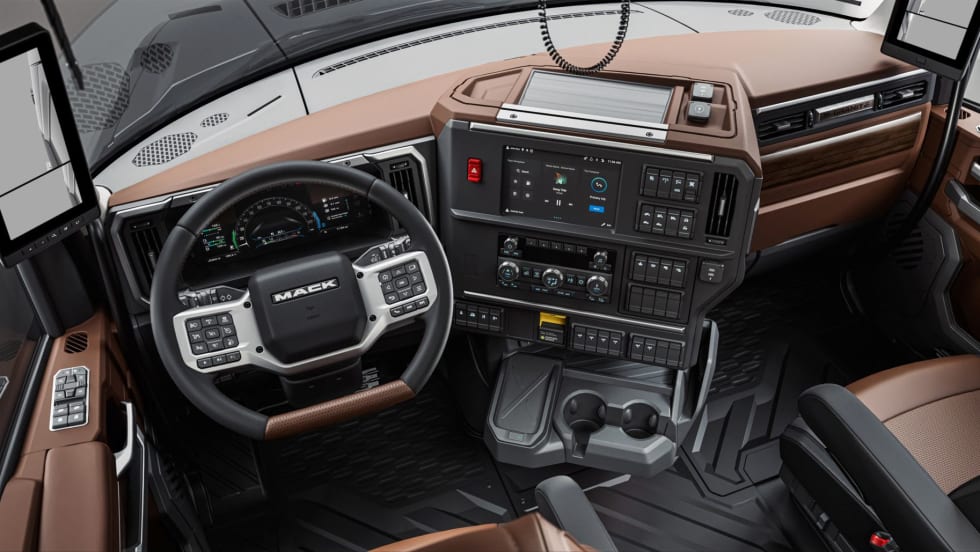
New Mack Granite Cab Puts Driver Comfort Front and Center
Mack’s next-generation vocational truck features a roomier cab, premium seating, advanced steering technology, and a driver-focused interior designed with direct input from professional operators.
Read More →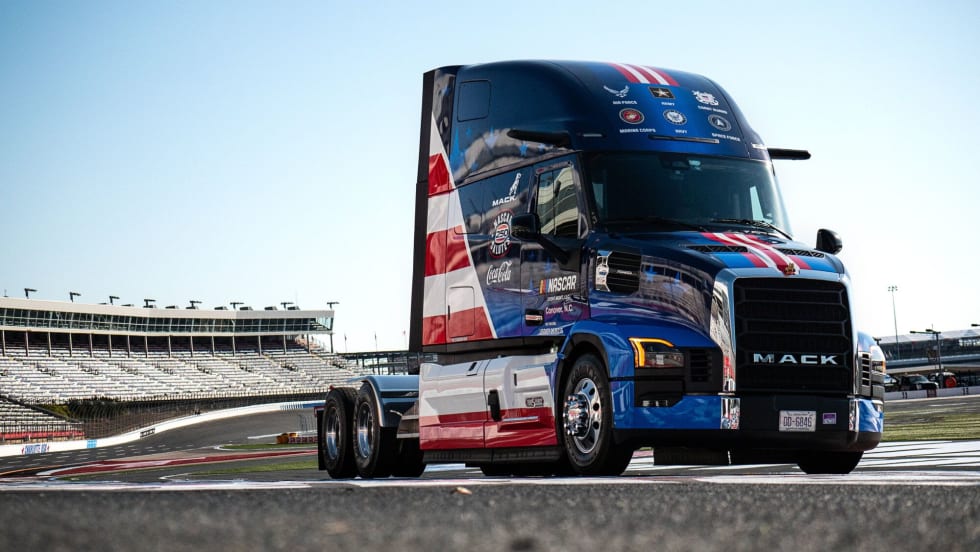
Mack Unveils Fan-Selected Patriotic NASCAR Pioneer Wraps
Racing fans picked the patriotic design now featured on three Mack Pioneer trucks hauling NASCAR equipment across the country during the 2026 season.
Read More →