




Commercial Vehicle Market Led by Class 3 Vehicle Growth; Diesel Continues to Dominate: Polk
New commercial vehicle registrations (Class 3-8) in the U.S. are set to reach 440,000 units for the 2011 calendar year, an increase of 17.6% over the 2010 calendar year and a 33% uptick from 2009, according to Polk
New commercial vehicle registrations (Class 3-8) in the U.S. are set to reach 440,000 units for the 2011 calendar year, an increase of 17.6% over the 2010 calendar year and a 33% uptick from 2009, according to Polk.
New registrations remain 45.4% lower than the historic peak in 2006, when the market boomed to support the impending change in diesel regulations. The 2011 recovery is being led by a large increase in registrations of Class 3 vehicles rather than GVW 8 vehicles, which have historically been the predominant segment in the commercial vehicle market.
"The growth in the Class 3 segment is predominantly based on those vehicles being purchased for small to large fleets and independent contractor use," said Gary Meteer, director, sales and client services, at Polk. "Some of these vehicles are likely to have mixed use for commercial business during the week and family activities on the weekend, such as for trailering recreational vehicles," he continued.
The best indication of this mixed use, according to Polk, is the fact that through the first eight months of the 2011, nearly 48% of Class 3 vehicles were registered to an individual, rather than a business. New registrations to individuals were up 27.4% in the first eight months of the calendar year versus 24.3% for all vehicles among all Class 3-8 vehicles.
The southern region of the U.S. has the largest concentration of new commercial vehicle registrations and has remained relatively flat this year with 2010 volumes in the same timeframe, with approximately one third market share. After the record level of new registrations in the 2006 calendar year, new registrations fell sharply in the central region. However, the central region has led the industry's recovery with an uptick in its share of new commercial vehicle registrations to well above historical levels, jumping from 21.4% of the market in 2007 to more than 29% through the first eight months of 2011.
Used Market Also Rising
Through June of this year, strong demand for clean used commercial vehicles has resulted in the replacement of older models and the lowering of the average age of the commercial vehicle population. As an example, in 2009, 49.5% of the commercial vehicle population represented vehicles that were model year 1999 or older. By the middle of this year, just 44.8% of vehicles were older than model year 1999. The availability of clean used equipment is prompting many smaller companies interested in cost savings and operational efficiencies to replace their much older commercial vehicles with newer ones.
Small Fleets Rise More than 30 %
Small commercial fleets representing 1-5 units are up 23.3% during the first eight months of 2011, and represented 32.6% of new commercial vehicle registrations. Conversely, large fleets reported a 19.5% increase since last year. While larger fleets are the mainstay of new commercial vehicle registrations, it is significant that owners of smaller fleets are optimistic about their business prospects and purchasing new vehicles over used models, which is traditional small business owner behavior.
The largest category of new commercial vehicle registrations for 2011 is with leasing and rental companies, with a 21.4% share, versus a 17.2% share during the comparable period last year. The second largest segment of buyers is individuals, representing 20.2% of all new vehicle registrations, down slightly from 21% last year.
Diesel Dominates; Ford Gaining Share
Diesel remains the fuel of choice for commercial vehicle owners, and Ford has put forth conscious marketing efforts for its proprietary diesel engine, introduced in spring 2010, and well received by Ford Super Duty owners, according to Polk analysis. Since bringing the engine to market, Ford has steadily grown share and is currently in a tie with longstanding industry leaders International/Navistar for second in the diesel engine segment, behind Cummins.
For more information, please visit www.polk.com.
More Fleet Management

Motive Adds AI Agents for Fleet Operations
New tools automate follow-up on fleet data, from maintenance work orders to driver alerts, with two-way voice conversations planned for later this year.
Read More →
Can You Beat Our Trucking Trivia Challenge?
Test your truck knowledge with 19 trivia questions from Heavy Duty Trucking Exchange. Can you keep up with the fleet pros?
Read More →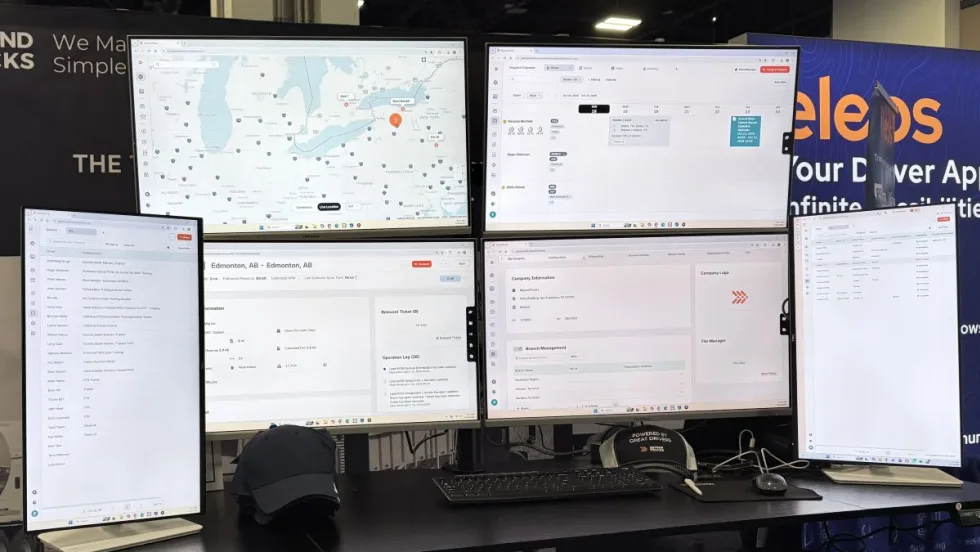
BeyondTrucks Adds Rules Checks to Dispatch
New Compatibility Engine checks driver qualifications, equipment requirements and fleet policies before loads are dispatched.
Read More →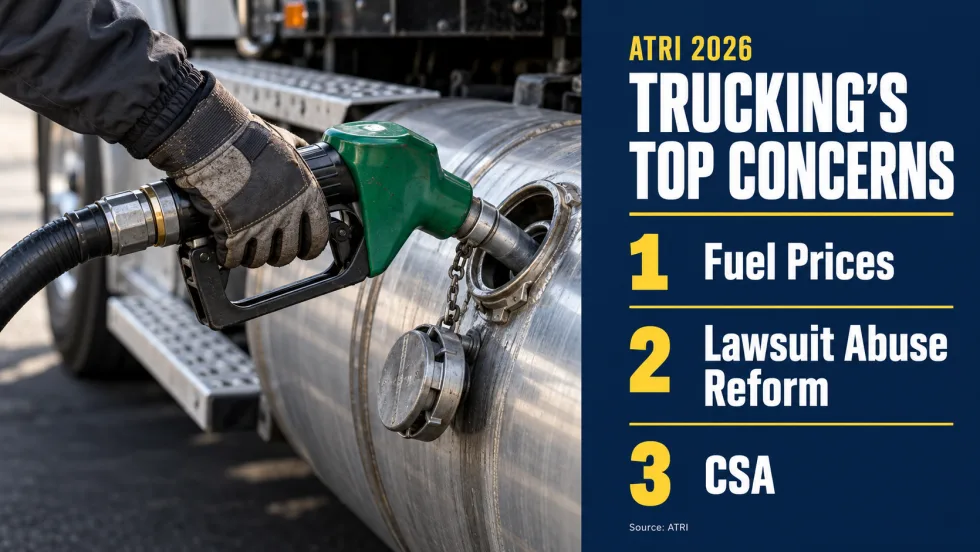
Diesel Prices Hijack Trucking’s Worry List
ATRI’s annual survey finds cautious optimism about freight, but diesel costs, litigation, and insurance continue to squeeze fleets. Drivers have different priorities on several issues.
Read More →
Nomination Deadline Extended for HDT Emerging Leaders
Just a few more days to nominate accomplished trucking fleet professionals under 40 who are making an impact and helping lead the industry forward for the HDT Emerging Leaders award. Deadline extended to October 20!
Read More →
What Will ATA’s New Leader Bring to Trucking's Table?
Incoming President and CEO Mark Colson’s record in Alabama offers clues about his priorities and approach following Chris Spear’s abrupt departure as the head of the American Trucking Associations.
Read More →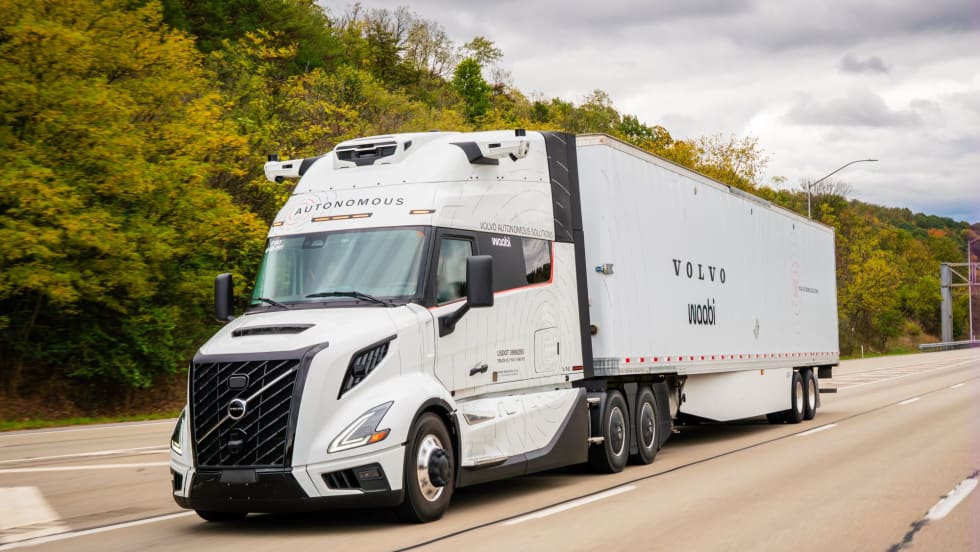
Volvo, Waabi Start Commercial Autonomous Operations in Texas
Volvo VNL Autonomous trucks, powered by the Waabi Driver, are hauling freight directly to third-party facilities for a customer in Texas.
Read More →
Samsara Launches Custom AI Agent Builder
Agent Studio lets fleets create AI tools for hours-of-service monitoring, reporting and driver support, including agents that communicate by phone.
Read More →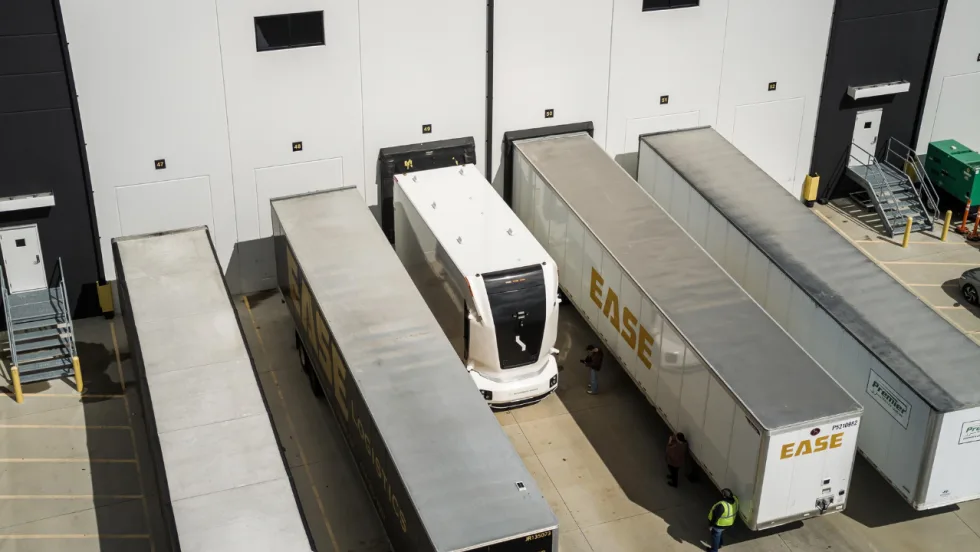
Einride Driverless Electric Trucks Begin Daily Freight Operations in Ohio
Two cabless electric trucks are hauling freight between EASE Logistics facilities in Marysville, Ohio, as part of a multi-state truck automation project.
Read More →
Geotab Links Fleet Card to Vehicle Data
The new card combines fuel discounts with telematics-based purchase controls. Geotab’s analysis also points to potential savings from choosing lower-priced fuel stops.
Read More →