




Collaboration Critical To Future Success In Truck Sales
The last eight years have been "the Bull Run of Trucking," according to Volvo Trucks North America's president and CEO Marc Gustafson. But now, business has become a struggle, due in large part to increased operating expenses. For those involved in truck sales and leasing, the key challenges are shrinking demand for new trucks, excess new truck inventory, a flood of used trucks and falling used truck prices
The last eight years have been "the Bull Run of Trucking," according to Volvo Trucks North America's president and CEO Marc Gustafson. But now, business has become a struggle, due in large part to increased operating expenses. For those involved in truck sales and leasing, the key challenges are shrinking demand for new trucks, excess new truck inventory, a flood of used trucks and falling used truck prices.
In remarks to the annual NationaLease (National Truck Leasing System) meeting, which wrapped up in Chicago yesterday, he said such challenges are just "speed bumps" in the road for those who are prepared to help their customers reach the next level of efficiency and productivity.
To do this, Gustafson said truck sales and leasing companies "must form tighter working relationships to help truck customers improve their performance in three key areas: adjust operations to new regulations, adapt equipment to make it safer and adopt new technologies that are economically and operationally feasible."
As he has said in the past, he believes that "several large constellations of manufacturers and service providers will develop to meet the ever-broadening gamut of customer needs," while relationships between OEMs and suppliers will continue to evolve with much closer collaboration. These successful constellations will have five properties:
- Broad product coverage of light, medium and heavy duty vehicles, and a steady stream of new products.
- Excel at delivering innovative services, both financial and operational.
- Encompass a portfolio of brands that add relevant value to their specific needs.
- Leverage global strengths while remaining nimble with regional markets and effective channel strategies.
- Highly seasoned, experienced management team accessible to customers.
Gustafson anticipates "a rapid burst of consolidation among truckload carriers," prompted in part by the higher fuel prices and higher costs for drivers and insurance.
Less-than-truckload carriers, on the other hand, should do well, he suggested, as a result of the Internet creating "a new phenomenon called Just-In-Time Consumption, meaning businesses are responding to customer demand at a time and location determined by the final customer." This business-to-consumer e-commerce is projected to grow from $11 billion in 1998 to nearly $87 billion in 2002.
"The Internet is and will continue to have a profound impact on the way industry players compete," said Gustafson, and it's "already affecting the more profitable segments like the $15 billion parts market and the $20 billion service market. The Internet is making parts pricing transparent and increasing customer accessibility to alternative sources of supply."
Gustafson provided a history lesson, highlighting the events that created the current situation in the truck market. From 1997 to 1999 the Dow Jones Industrial Average "surged to an annual average increase of more than 20%," he explained. "During that same period, customers had an unabated desire to buy and lease trucks, and all manufacturers readily snatched up those orders and put more trucks on the road than in any period in our history."
On a North American basis, the industry sold 218,000 trucks in 1997. By the end of 1999, more than 309,000 were sold, a 19% annual increase. He estimated that some 60,000 of these trucks were retailed to customers who would have bought in 2000, but purchased as a hedge against the impeding interest rates hikes, which started in June 1999.
"During this peak period, with OEMs chasing every truck order, the order board grew to an all-time high," Gustafson continued, "and order lead time ballooned out to a year," as trucks were in short supply.
During January and February of this year, "manufacturers were producing trucks at a rate of 20% more than the orders coming in, and they were slow to make production adjustments," he reported. "Since mid-1999, the build rate has exceeded the order intake for 16 consecutive months."
Meanwhile, shortened trade cycles (from a 5- or 6-year ownership cycle to a 3-year cycle) were contributing to an already excessive supply of high quality, late-model used trucks. Truck sales were being impacted by diesel fuel prices, which have increased 57% during the past year. Fuel is typically 25% of a fleet's operating expense.
"Monthly gross orders are now at their lowest level in four years, and some manufacturers have more than a 400-day supply of new trucks," Gustafson said, noting that Volvo has managed its inventory to a two-month supply. "Manufacturers are having to endure repetitive cuts in production to help deplete the excess inventory of new trucks that are on the ground."
Things will worsen in the used truck market because of the ballooning supply of used trucks, he predicted. As an indicator of the severity of the situation, he mentioned that "the industry leader can currently fill over 100 football stadiums with its corporate inventory."
Further, he said manufacturers and dealers "will be forced to incur about a billion dollars worth of write-downs between now and 2002. The peak of the trade cycle returns will not occur until the end of 2001."
Obviously, truck dealers have been hard hit. Gustafson said studies show that "on average, dealer profitability last year declined about one-third, and that was on a 25% increase in sales."
And as dealer's used truck inventories grew, so did their supply of new trucks. "Floorplan expenses for the industry are at a staggering $1 million per day. And it's not uncommon to hear about dealers today that are wrestling with floorplan expenses that exceed $100,000 per week."
More Fleet Management
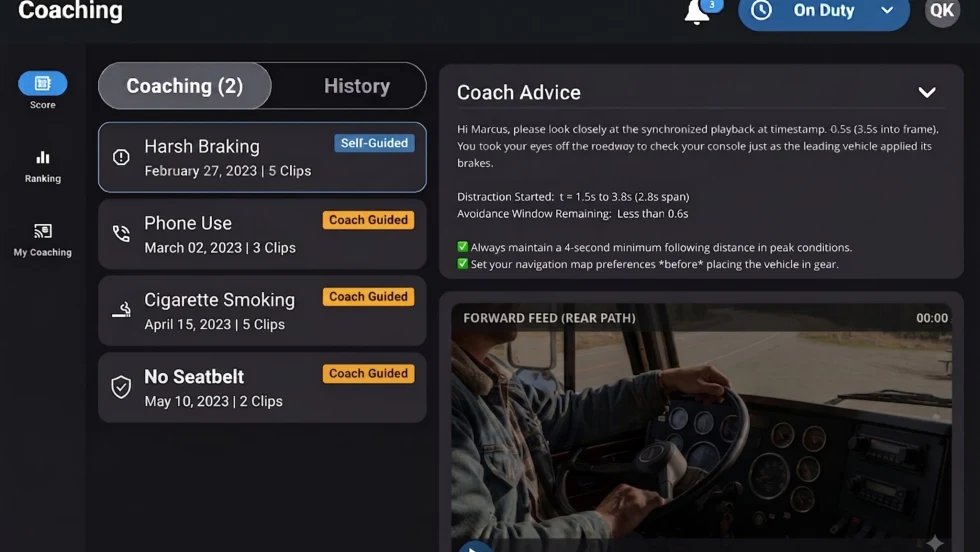
Platform Science Adds Dispatch and Safety Tools
Four additions to PS Fleet help fleets monitor loads, manage driver coaching, share truck locations and adjust video system settings.
Read More →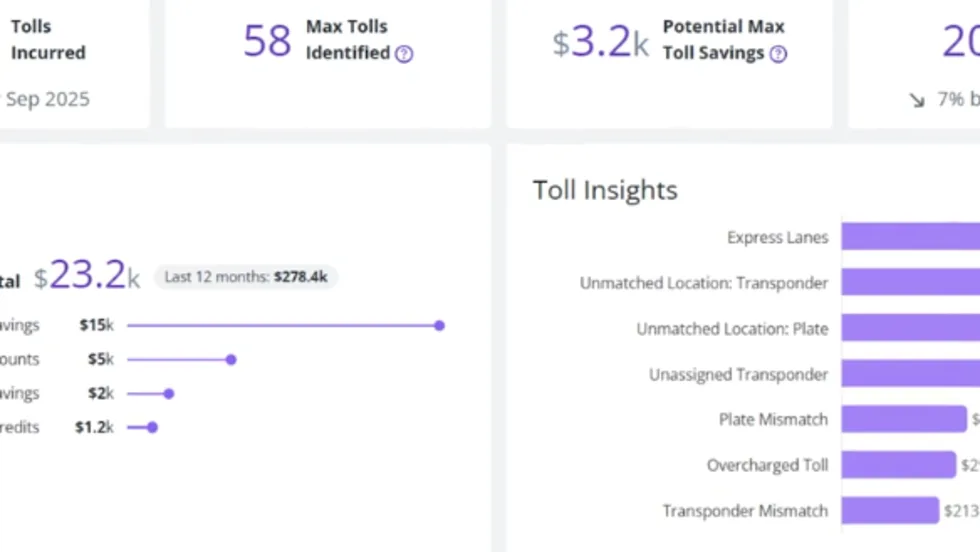
PrePass Intelligence Mines Fleet Bypass, Toll and Safety Data
PrePass Intelligence helps fleets measure bypass savings, flag potential toll overcharges, and spot suspicious transactions by combining data from separate systems.
Read More →
Motive Adds AI Agents for Fleet Operations
New tools automate follow-up on fleet data, from maintenance work orders to driver alerts, with two-way voice conversations planned for later this year.
Read More →
Can You Beat Our Trucking Trivia Challenge?
Test your truck knowledge with 19 trivia questions from Heavy Duty Trucking Exchange. Can you keep up with the fleet pros?
Read More →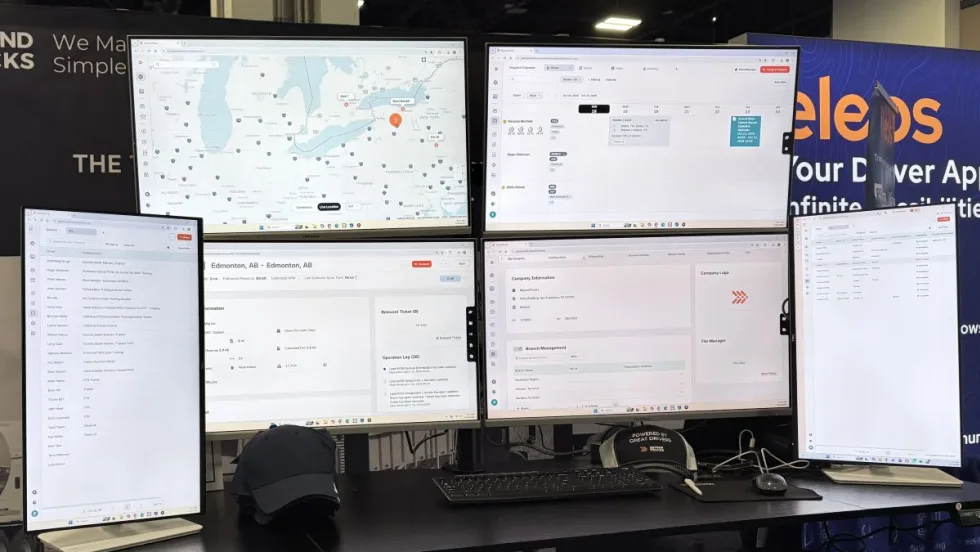
BeyondTrucks Adds Rules Checks to Dispatch
New Compatibility Engine checks driver qualifications, equipment requirements and fleet policies before loads are dispatched.
Read More →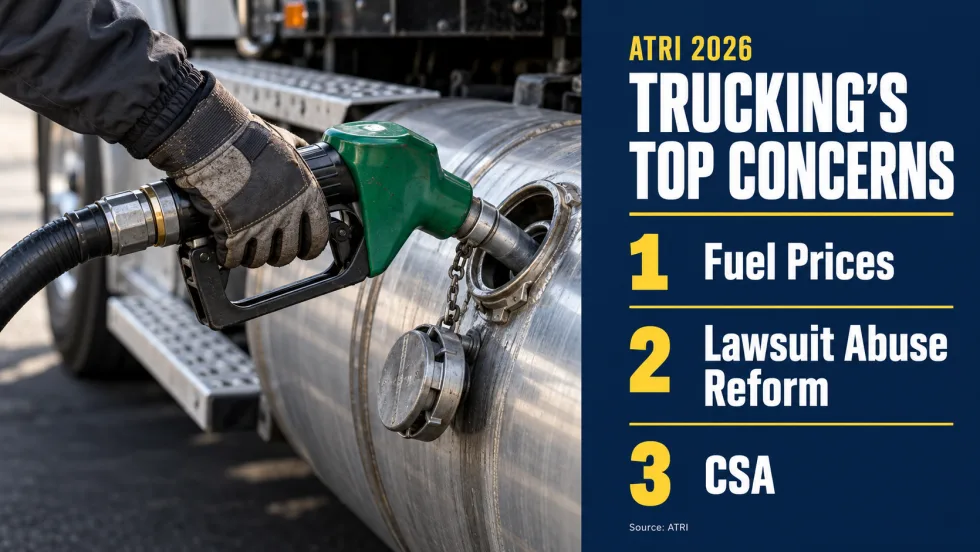
Diesel Prices Hijack Trucking’s Worry List
ATRI’s annual survey finds cautious optimism about freight, but diesel costs, litigation, and insurance continue to squeeze fleets. Drivers have different priorities on several issues.
Read More →
Nomination Deadline Extended for HDT Emerging Leaders
Just a few more days to nominate accomplished trucking fleet professionals under 40 who are making an impact and helping lead the industry forward for the HDT Emerging Leaders award. Deadline extended to October 20!
Read More →
What Will ATA’s New Leader Bring to Trucking's Table?
Incoming President and CEO Mark Colson’s record in Alabama offers clues about his priorities and approach following Chris Spear’s abrupt departure as the head of the American Trucking Associations.
Read More →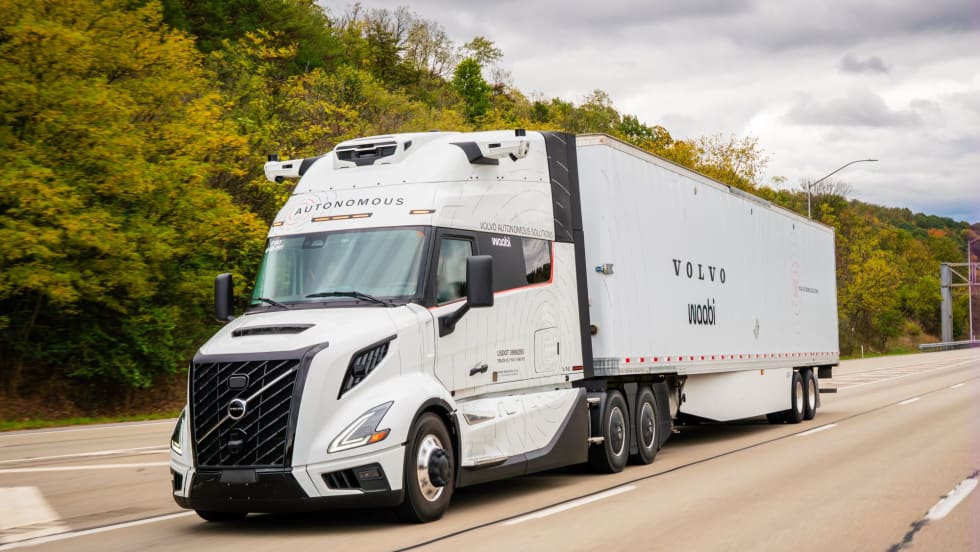
Volvo, Waabi Start Commercial Autonomous Operations in Texas
Volvo VNL Autonomous trucks, powered by the Waabi Driver, are hauling freight directly to third-party facilities for a customer in Texas.
Read More →
Samsara Launches Custom AI Agent Builder
Agent Studio lets fleets create AI tools for hours-of-service monitoring, reporting and driver support, including agents that communicate by phone.
Read More →