




Click It or Ticket Message Going on PA Trucks
The Pennsylvania Department of Transportation (PennDOT) is teaming up with other organizations to place Click It or Ticket decals on the backs of hundreds of trailers
The Pennsylvania Department of Transportation (PennDOT) is teaming up with other organizations to place Click It or Ticket decals on the backs of hundreds of trailers.
"We are delighted to be teaming up with the trucking community as well as other dedicated highway safety partners to take part in this 'rolling safety campaign' that will help spread the message about the importance of buckling up," said PennDOT's Deputy Secretary for Highway Administration, Gary L. Hoffman, P.E.
Participating with PennDOT are the Pennsylvania State Police, the National Highway Traffic Safety Administration Mid-Atlantic region, Buckle Up PA, the Pennsylvania Motor Truck Assn., the Pennsylvania Division of the Federal Motor Carrier Safety Administration and nearly 30 trucking companies across the Commonwealth.
The Click It or Ticket campaign started in Pennsylvania in 2002 to remind motorists that if they are cited for a moving violation and are not buckled up, they may receive a second ticket for not wearing a seatbelt.
According to PennDOT, Pennsylvania's current seatbelt use rate is 82%, the highest ever recorded in the state. However, in 2003, 623 people who lost their lives in traffic crashes in Pennsylvania were not wearing their seatbelts.
Deputy Secretary Hoffman noted that, although more people are buckling up in Pennsylvania, those individuals who refuse to abide by Pennsylvania's seatbelt law are far more likely to lose their lives in a highway crash.
The Click It or Ticket decals on trucks are one part of an enforcement and education initiative planned for the month of May to help increase seatbelt use statewide.
More Safety & Compliance
133 ELDs Revoked as ATA Pushes Certification Reform
FMCSA just removed a record number of electronic logging devices from its registry. ATA says it's time to rethink how ELDs get approved in the first place.
Read More →
CVSA Sets 2027 International Roadcheck Dates
The annual 72-hour truck inspection blitz will take place May 11–13 across North America. Here's what fleets can expect and what inspectors found during the 2026 event.
Read More →
FMCSA’s New Complaint Platform Makes It Easier to Report Trucking Safety Concerns
The FMCSA Complaint Center features expanded complaint categories and a name change away from the word "consumer."
Read More →
FDA Eases Path for Oral-Fluid Testing
Federal actions could advance oral-fluid drug testing for truck drivers, but lab certification delays and marijuana rescheduling questions remain.
Read More →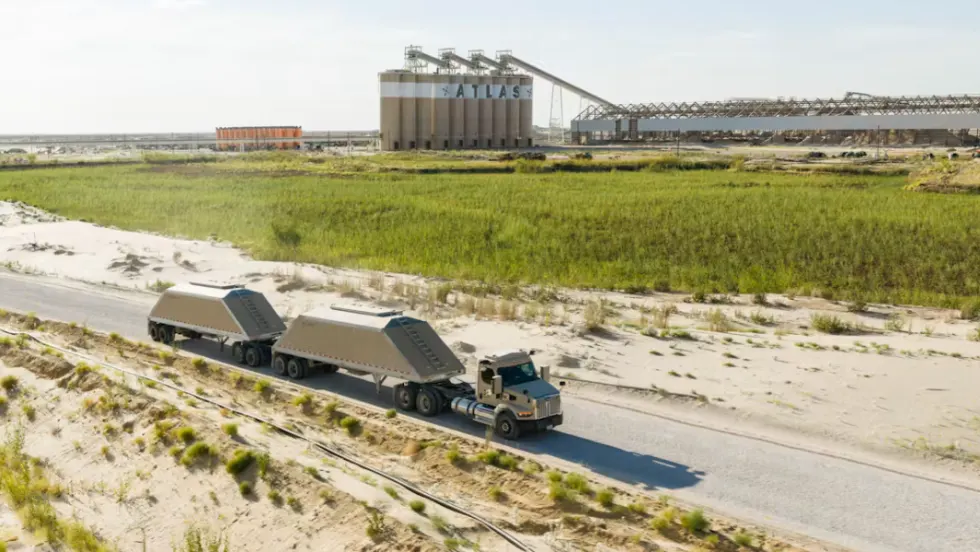
Kodiak Lines Up Fleets for Driverless Trucking
An agreement for 75 trucks, a new Texas freight lane, and progress on safety validation move Kodiak closer to its planned driverless highway launch.
Read More →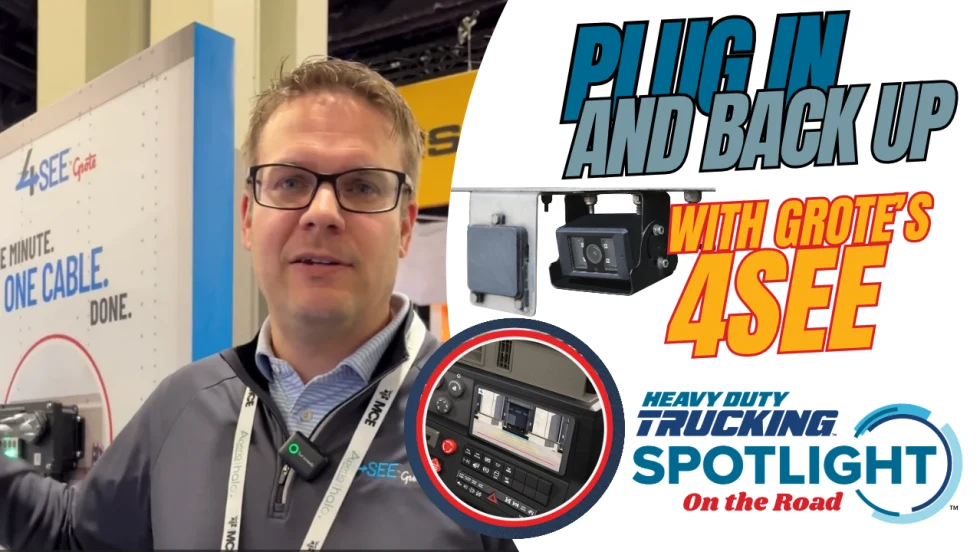
More Trailer Data Through the Same Seven-Way [Video]
Can trucking’s standard seven-way connector handle more cameras and trailer data? Grote’s Adam Slade shows HDT how the company is using new technology with its 4See trailer system, not only to add a new backup camera but also to expand other capabilities — without adding another connection.
Read More →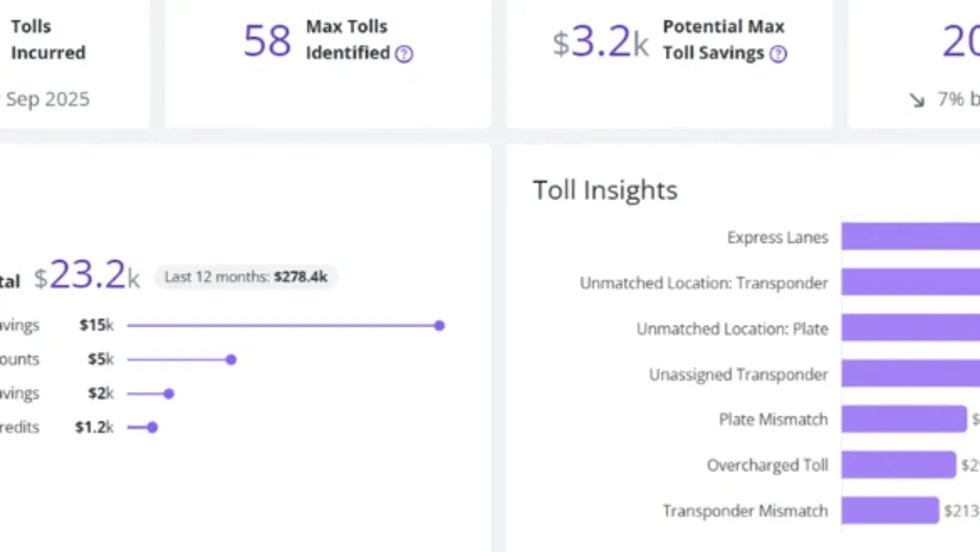
PrePass Intelligence Mines Fleet Bypass, Toll and Safety Data
PrePass Intelligence helps fleets measure bypass savings, flag potential toll overcharges, and spot suspicious transactions by combining data from separate systems.
Read More →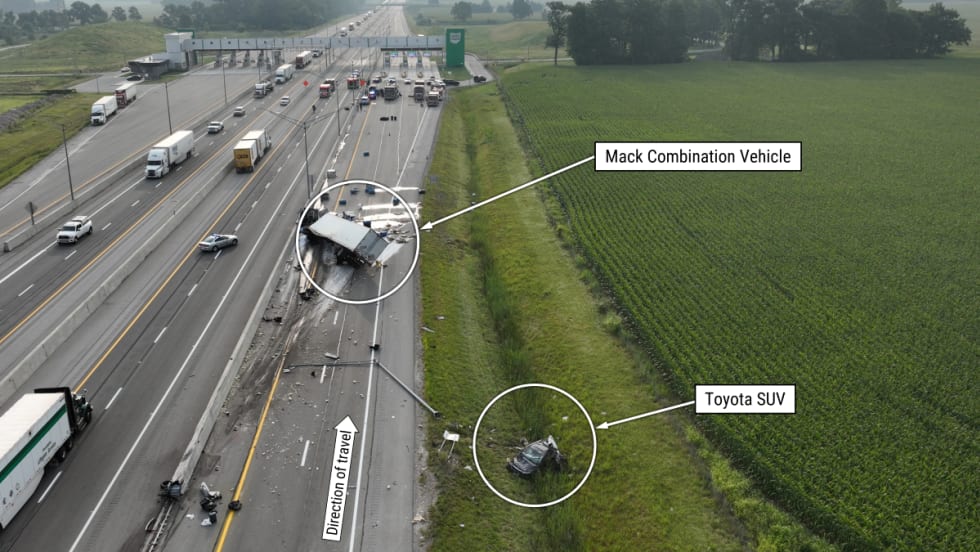
Fatal Crash Exposes Toll Plaza Risks
An NTSB investigation found that last-minute lane changes and large speed differences at an Ohio toll plaza created a hazard the truck driver couldn't avoid in time.
Read More →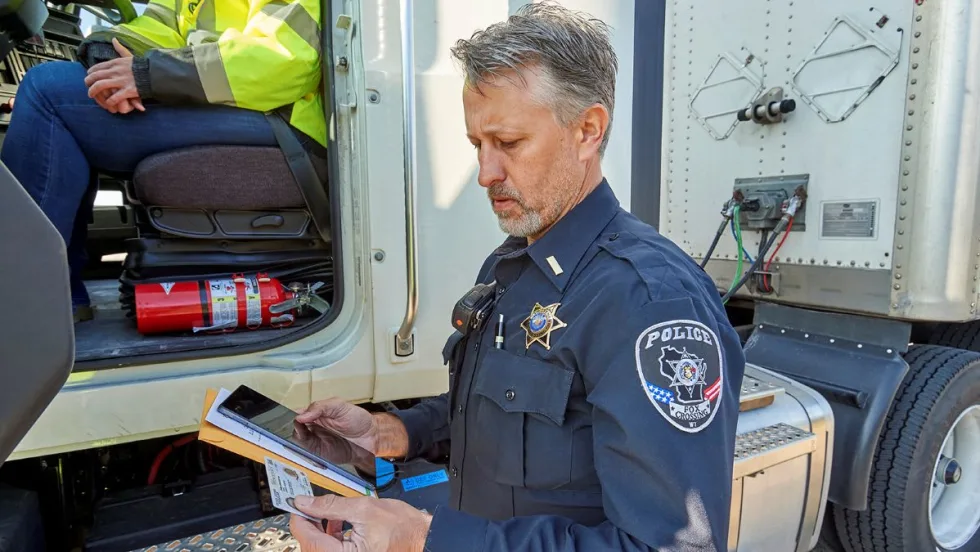
When Language Stops the Truck: The Return of ELP Out-of-Service Orders
English language proficiency rules for commercial drivers aren’t new, but renewed out-of-service enforcement has raised the stakes. Here’s what carriers need to know before a driver reaches a roadside inspection.
Read More →
Marijuana and Trucking’s Drug-Testing Dilemma
Marijuana is getting stronger, laws are changing, and drug tests still can’t reliably establish impairment. What does that mean for truck drivers and the fleets that employ them?
Read More →