




Chevron, National Renewable Energy Lab Focus on Biofuels
Chevron Corp. and the U.S. Department of Energy's (DOE) National Renewable Energy Laboratory (NREL), headquartered in Golden, Colo., have announced a strategic research alliance to advance the development of renewable transportation fuels
Chevron Corp. and the U.S. Department of Energy's (DOE) National Renewable Energy Laboratory (NREL), headquartered in Golden, Colo., have announced a strategic research alliance to advance the development of renewable transportation fuels.
Chevron Technology Ventures LLC (CTV), a subsidiary of Chevron Corp., and NREL have signed a five-year agreement to research and develop new production technologies for biofuels. Researchers from CTV and NREL will collaborate on projects to develop the next generation of process technologies that will convert cellulosic biomass, such as forestry and agricultural wastes, into biofuels such as ethanol and renewable diesel.
"Our goal is to further diversify the world's energy sources in order to help meet the growth in future energy demand," said Don Paul, vice president and chief technology officer, Chevron Corp. "Through this public- private collaboration we hope to broaden the energy mix by accelerating the development of the next generation of process technologies that will convert cellulosic biomass into biofuels. Process efficiency and suitability for industrial-scale deployment, similar to today's transportation infrastructure systems, are key success factors."
"Increasing the amount of fuels we can make from America's farms, forests and fields will greatly enhance the nation's energy security and economy and help the environment," said Dan Arvizu, director, NREL. "Agreements such as this will help us accomplish that."
More Drivers

New Independent Contractor Rule Gives Trucking More Clarity
The Labor Department is once again changing how it determines who's an independent contractor. This time, the rule includes specific examples addressing trucking safety requirements, CDLs, and lease-purchase agreements.

Catching Driver Fatigue is One Thing. What You Do Next Matters Just as Much
Fleets are getting better at detecting driver drowsiness. Few have figured out what should happen next, and that gap is where the real risk still lives.
133 ELDs Revoked as ATA Pushes Certification Reform
FMCSA just removed a record number of electronic logging devices from its registry. ATA says it's time to rethink how ELDs get approved in the first place.

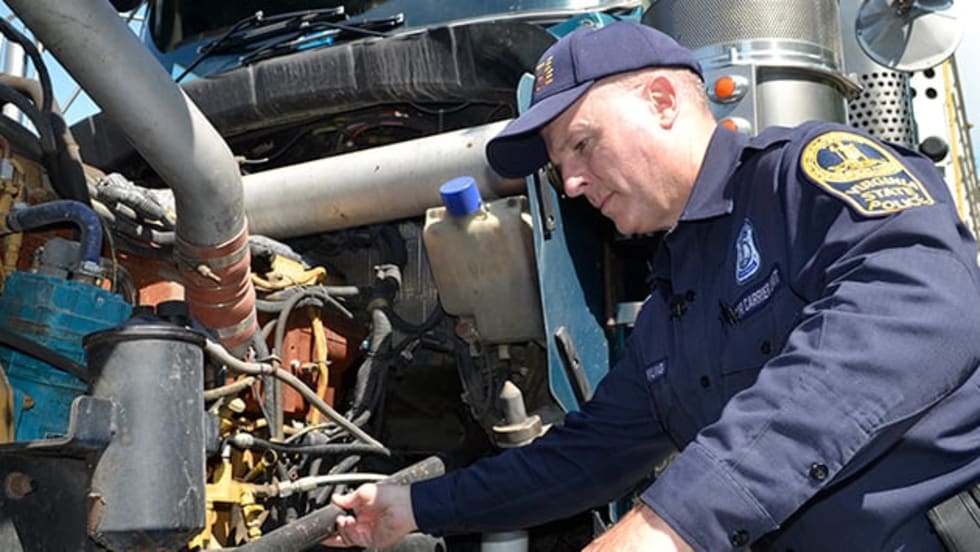
CVSA Sets 2027 International Roadcheck Dates
The annual 72-hour truck inspection blitz will take place May 11–13 across North America. Here's what fleets can expect and what inspectors found during the 2026 event.
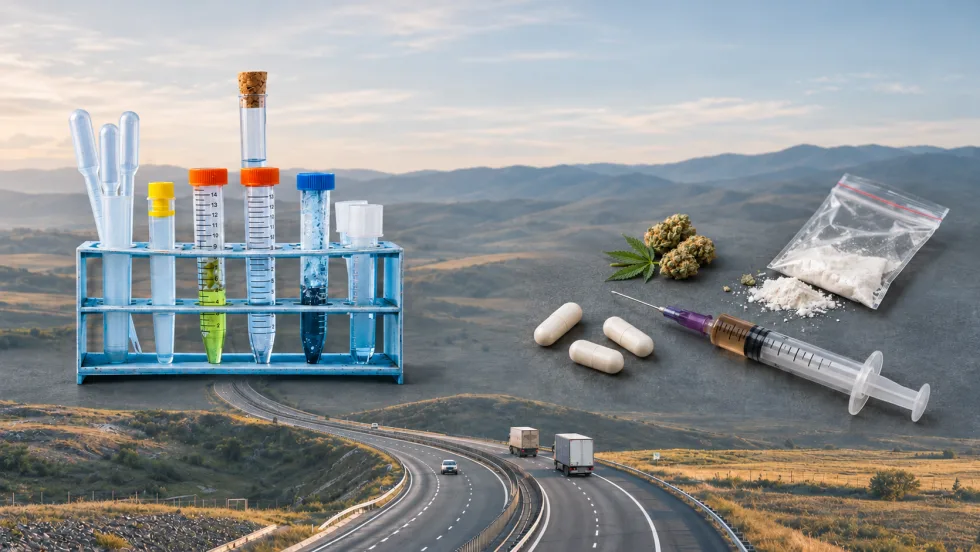
FDA Eases Path for Oral-Fluid Testing
Federal actions could advance oral-fluid drug testing for truck drivers, but lab certification delays and marijuana rescheduling questions remain.

Why Hiring Truck Drivers Is Getting Harder
Higher recruiting costs, a shrinking driver pool, and renewed pay competition are raising the stakes for fleets heading into 2027.
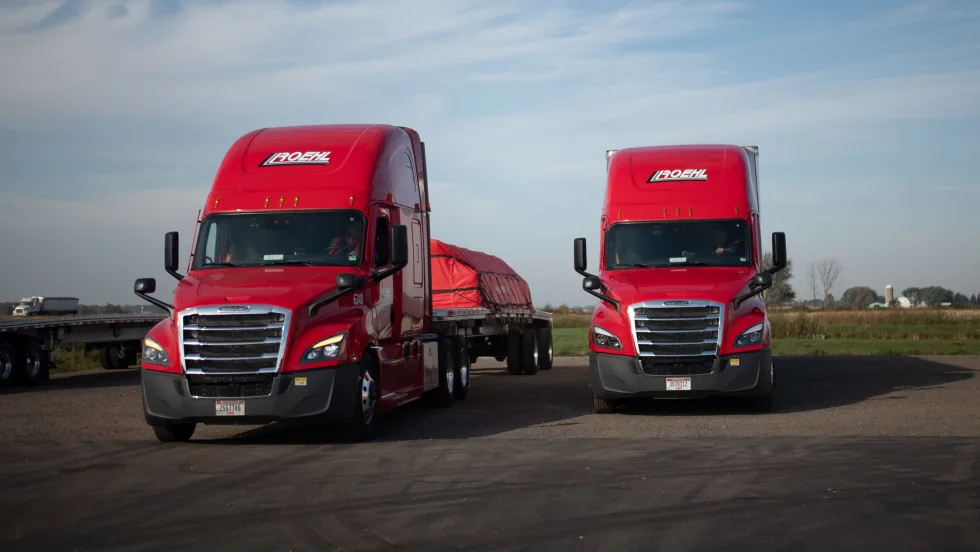
Roehl Offers Truck Drivers $10,000 Retention Incentive
Payments begin after the first load and continue in mileage-based installments for eligible experienced drivers joining the fleet.
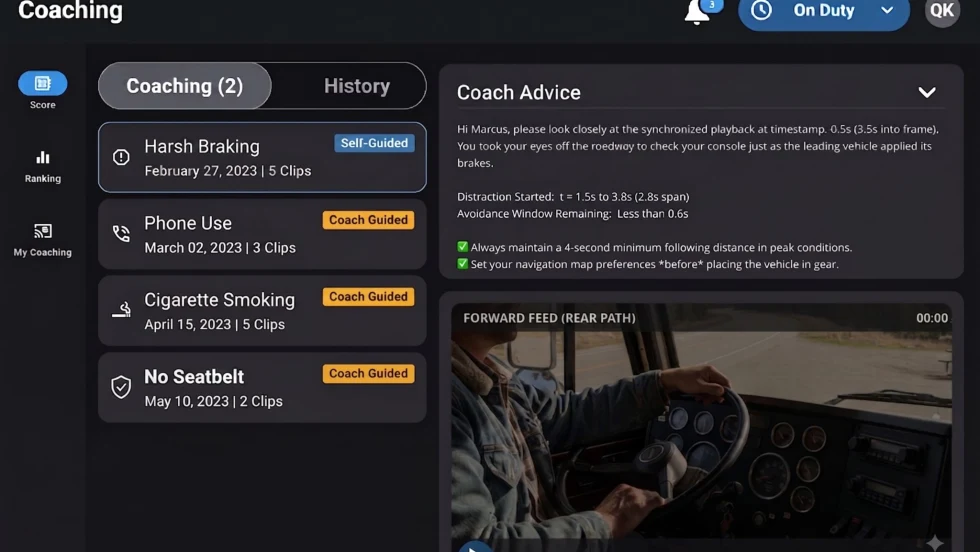
Platform Science Adds Dispatch and Safety Tools
Four additions to PS Fleet help fleets monitor loads, manage driver coaching, share truck locations and adjust video system settings.
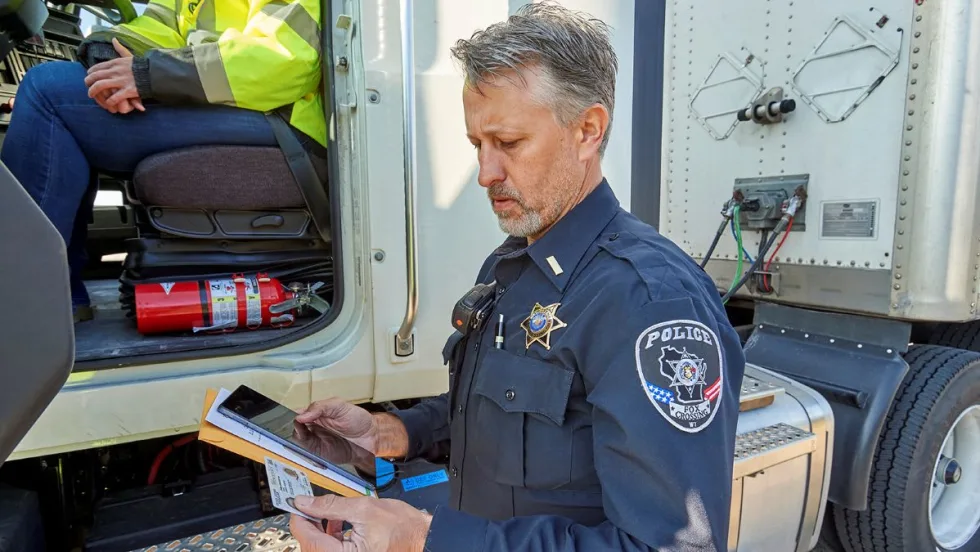
When Language Stops the Truck: The Return of ELP Out-of-Service Orders
English language proficiency rules for commercial drivers aren’t new, but renewed out-of-service enforcement has raised the stakes. Here’s what carriers need to know before a driver reaches a roadside inspection.

Samsara Launches Custom AI Agent Builder
Agent Studio lets fleets create AI tools for hours-of-service monitoring, reporting and driver support, including agents that communicate by phone.