




Carriers Look for HOS Flexibility to Ease Port Congestion
Trucking interests are preparing a request for temporary flexibility in the hours of service rules to help ease the congestion that is plaguing major ports. “We need some relief now,” said Curtis Whalen, executive director of the American Trucking Associations Intermodal Motor Carriers Conference.



Trucking interests are preparing a request for temporary flexibility in the hours of service rules to help ease the congestion that is plaguing major ports.
“We need some relief now,” said Curtis Whalen, executive director of the American Trucking Associations Intermodal Motor Carriers Conference.
Whalen said ATA is working with the California Trucking Association and the Southern California Harbor Trucking Association to craft a petition to the Federal Motor Carrier Safety Association.
Their immediate focus is the ports of Los Angeles and Long Beach but if they are successful they will expand their effort to other ports where congestion is a problem, such as New York, New Jersey and Virginia, Whalen said.
The petition will not be a one-size-fits-all solution, he said. Each port has its own operating characteristics and may require different treatment.
For the California ports, the carrier groups are looking at the possibility of a temporary waiver so waiting time will not be counted as on-duty time, Whalen said.
They also are considering asking for relief from the 34-hour restart provision, which requires drivers to take off two successive periods between 1 a.m. and 5 a.m. during their restart.
The problem, Whalen said, is that the restart can limit the effectiveness of the traditional methods of dealing with congestion, such as extending gate hours or opening gates on the weekend.
“We’re trying to figure out how we can get some relief there which does not impact safety,” he said.
The groups are meeting this week and if they can draft a suitable petition they will send it to the agency as soon as possible, he said.
At issue is the slowdown in container movements at West Coast ports due to bigger ships, seasonal high traffic volumes and uncertainty surrounding stalled labor negotiations between the International Longshore and Warehouse Union and the Pacific Maritime Association.
The labor contract expired last July and shippers and carriers are increasingly concerned that the situation could lead to a shutdown of West Coast ports.
A group of carrier interests, including ATA, recently joined shippers in a plea to President Obama for quick action, including support for a federal mediator.
“We have seen crisis levels of congestion at the ports since September,” they said in a Nov. 6 letter to Obama.
A related problem is that ports are losing drivers because they can’t make a living operating with the long wait times, Whalen said.
“They’re taking their CDLs and going to other areas of trucking, and there is no reason to expect that they will immediately come back, assuming we can solve congestion,” he said.
More Drivers
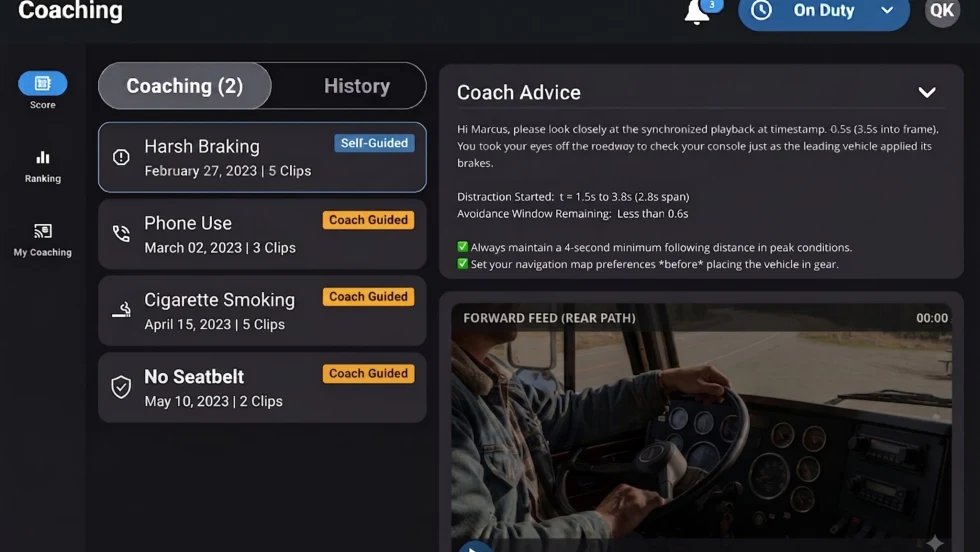
Platform Science Adds Dispatch and Safety Tools
Four additions to PS Fleet help fleets monitor loads, manage driver coaching, share truck locations and adjust video system settings.
Read More →
When Language Stops the Truck: The Return of ELP Out-of-Service Orders
English language proficiency rules for commercial drivers aren’t new, but renewed out-of-service enforcement has raised the stakes. Here’s what carriers need to know before a driver reaches a roadside inspection.
Read More →
Samsara Launches Custom AI Agent Builder
Agent Studio lets fleets create AI tools for hours-of-service monitoring, reporting and driver support, including agents that communicate by phone.
Read More →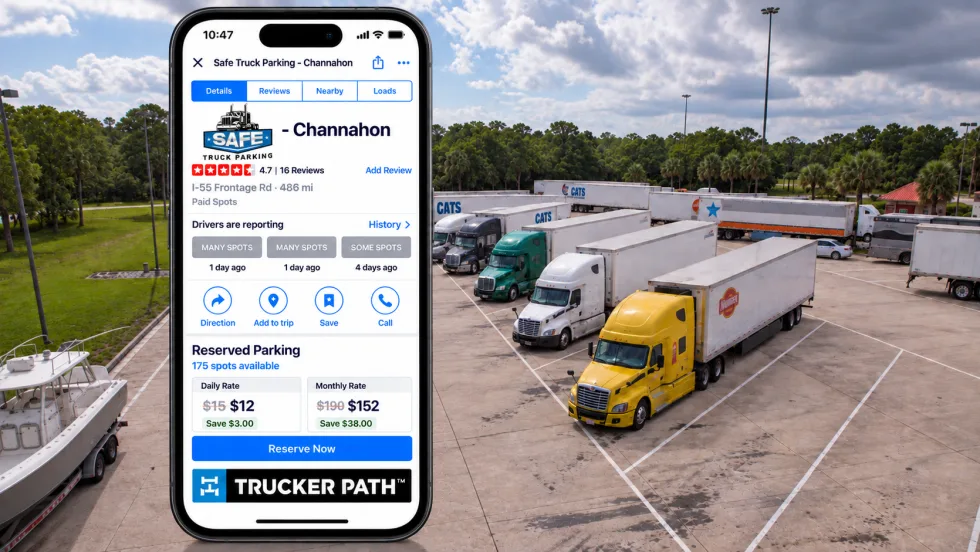
Trucker Path Expands Reserved Parking Network
Trucker Path has added close to 6,000 more truck parking spaces to its Trucker Path Reserved Parking Network with the addition of Safe Truck Parking.
Read More →
EEOC Sues Texas Trucking Company Over Driver Age Limits
The agency says Trancasa USA rejected applicants over 65 and applied tougher driving-record standards to those over 60.
Read More →
Nussbaum, Roehl Announce Second Driver Pay Increase This Year
This year has seen a swath of major truck driver pay increases as freight capacity has tightened.
Read More →
From One Generation to the Next: How Mentorship Builds Safer Truck Drivers
After three decades in trucking, Harold Perry shares what he's learned about driver safety, mentorship, and helping the next generation build confidence behind the wheel.
Read More →
Truck Drivers Need More Than Another Alert
Fleets have more visibility into truck health, safety events, and driver activity than ever. The next challenge is turning all that information into useful guidance for the person who has to decide what to do next.
Read More →
FMCSA Removes 110 Truck Driver Training Schools from Certified ELDT List
Federal regulators also are targeting more than 160 additional training providers and launching a nationwide audit of third-party CDL skills testers as part of a broader crackdown on trucking fraud.
Read More →
Hours of Service Pilot Programs: FMCSA Readies for 2027 Rollout
Two pilot programs could eventually reshape hours-of-service rules, giving truck drivers options to pause their 14-hour clock or use longer split sleeper rest periods.
Read More →