




Carriers Backing Away from New Truck Buying Plans
The recent Third Quarter 2011 Transport Capital Partners (TCP) Business Expectations Survey found that only 5% of carriers are planning to add 16% or more capacity in the next year, down from 29% that had such plans six months ago
The recent Third Quarter 2011 Transport Capital Partners (TCP) Business Expectations Survey found that only 5% of carriers are planning to add 16% or more capacity in the next year, down from 29% that had such plans six months ago.
In a stunning reversal from previous survey results, 73% of carriers say they either have no plans to add capacity or plan to add only 5% or less.
"The possibility of a double dip recesson, high volatility in the stock market, lack of political leadership, and uncertain regulatory and tax policies all play into this [lack of confidence in equipment investment]," says Richard Mikes, TCP Partner and survey director.
Seventy-six percent of the larger carriers surveyed expect to add less than 5% capacity compared with 67% of the smaller carriers. Clearly the capacity crunch is going to be felt across the board, if the larger carriers are not planning to add capacity.
"Last quarter's survey showed that carriers were split 50/50 as to whether profits were sufficient to justify new equipment. The continued poor economic news is likely to dampen new truck orders over the next year unless freight demand picks up," notes TCP partner, Lana Batts.
The number of carriers who expect to expand through the utilization of independent contractors has been trending down over the last year. Carriers planning to add capacity have been increasingly leaning toward company equipment, and away from contractors almost every quarter since a year ago, from 13.5% to 26.2% currently.
Likewise, fewer carriers (4.7%) indicate they would be adding capacity by purchasing used trucks this quarter, likely reflecting the scarce supply, higher mileage on used trucks, and 20 to 30% higher prices. Mikes points out.
"It appears contractors still are a constraint, used equipment is scarce, and pressure is mounting to refresh fleets rather than to grow fleets," he said.
TCP believes the truck replacement decisions are becoming more complex than ever. According to Batts, more truckers are questioning which direction to turn regarding equipment purchases.
"Since capacity is still tight in a 1% GDP growth market, fleets have to weigh increasing repair costs against higher capital demands with new trucks and technology," Mikes notes.
More information on truck life cycles is available at TCP's website.
A PDF version of the Third Quarter 2011 TCP Business Expectations Survey is available here.
More Fleet Management
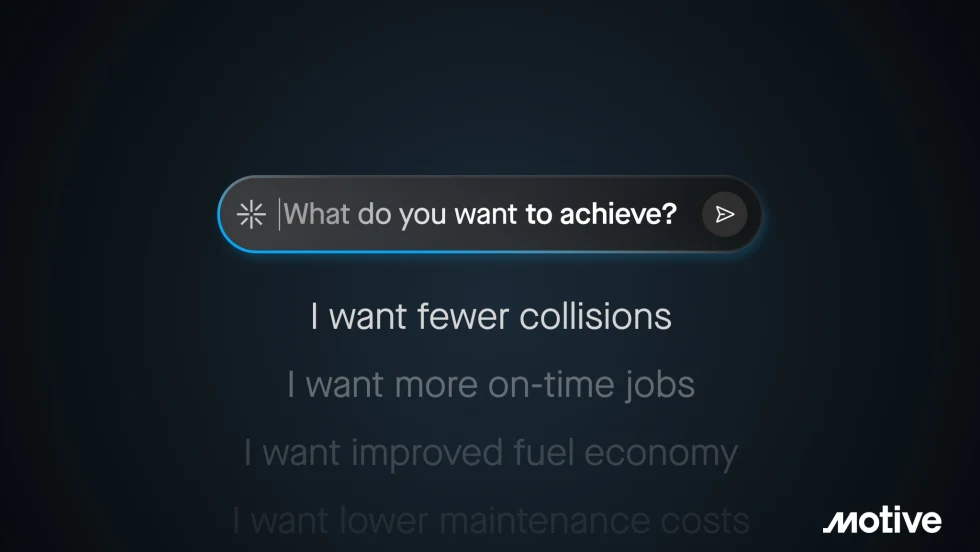
Motive Adds AI Agents for Fleet Operations
New tools automate follow-up on fleet data, from maintenance work orders to driver alerts, with two-way voice conversations planned for later this year.
Read More →
Can You Beat Our Trucking Trivia Challenge?
Test your truck knowledge with 19 trivia questions from Heavy Duty Trucking Exchange. Can you keep up with the fleet pros?
Read More →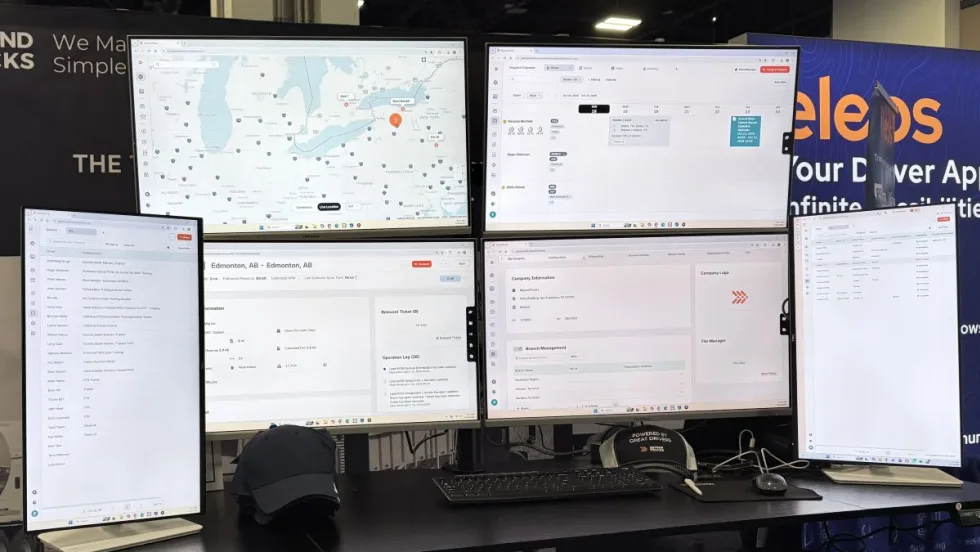
BeyondTrucks Adds Rules Checks to Dispatch
New Compatibility Engine checks driver qualifications, equipment requirements and fleet policies before loads are dispatched.
Read More →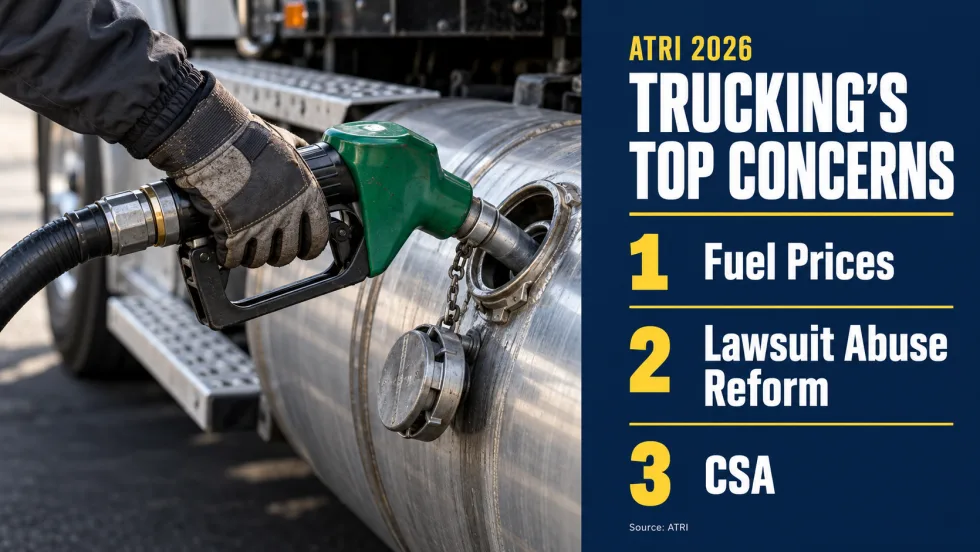
Diesel Prices Hijack Trucking’s Worry List
ATRI’s annual survey finds cautious optimism about freight, but diesel costs, litigation, and insurance continue to squeeze fleets. Drivers have different priorities on several issues.
Read More →
Nomination Deadline Extended for HDT Emerging Leaders
Just a few more days to nominate accomplished trucking fleet professionals under 40 who are making an impact and helping lead the industry forward for the HDT Emerging Leaders award. Deadline extended to October 20!
Read More →
What Will ATA’s New Leader Bring to Trucking's Table?
Incoming President and CEO Mark Colson’s record in Alabama offers clues about his priorities and approach following Chris Spear’s abrupt departure as the head of the American Trucking Associations.
Read More →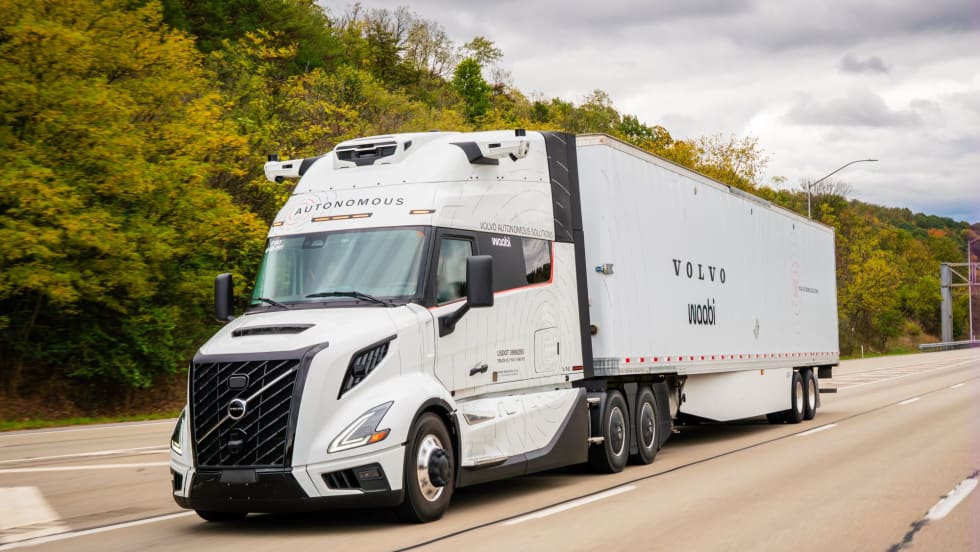
Volvo, Waabi Start Commercial Autonomous Operations in Texas
Volvo VNL Autonomous trucks, powered by the Waabi Driver, are hauling freight directly to third-party facilities for a customer in Texas.
Read More →
Samsara Launches Custom AI Agent Builder
Agent Studio lets fleets create AI tools for hours-of-service monitoring, reporting and driver support, including agents that communicate by phone.
Read More →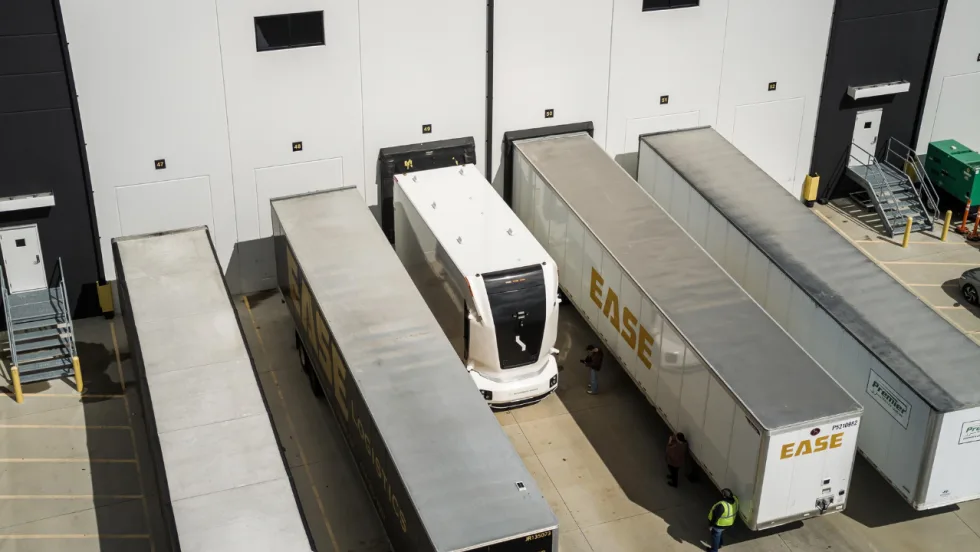
Einride Driverless Electric Trucks Begin Daily Freight Operations in Ohio
Two cabless electric trucks are hauling freight between EASE Logistics facilities in Marysville, Ohio, as part of a multi-state truck automation project.
Read More →
Geotab Links Fleet Card to Vehicle Data
The new card combines fuel discounts with telematics-based purchase controls. Geotab’s analysis also points to potential savings from choosing lower-priced fuel stops.
Read More →