




Carrier, Shipper Interests Push Federal Freight Policy
Freight interests are staking ground for the next highway program, asserting the need for sustainable funding, systematic planning and improved efficiency. The Freight Stakeholders Coalition, representing 18 carrier and shipper organizations including American Trucking Associations, published a 9-point platform for the upcoming debate over reauthorization of the program.

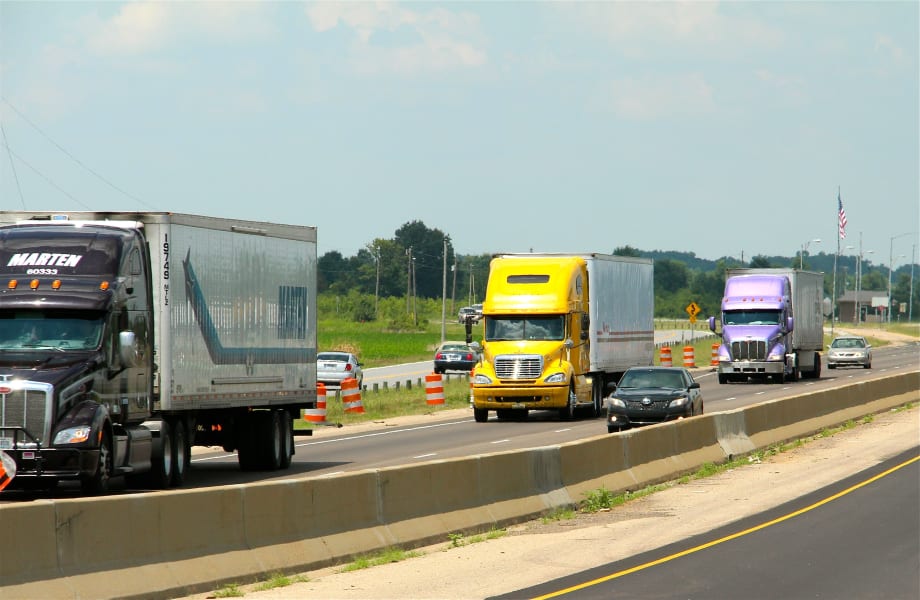
Photo: Evan Lockridge

Freight interests are staking ground for the next highway program, asserting the need for sustainable funding, systematic planning and improved efficiency.
The Freight Stakeholders Coalition, representing 18 carrier and shipper organizations including American Trucking Associations, published a 9-point platform for the upcoming debate over reauthorization of the program.
“We are committed to the modernization of our nation’s freight transportation system,” the coalition said. “It must accommodate projected growth in manufacturing and trade or risk the U.S. being surpassed by foreign competitors.”
These are familiar themes that freight interests have sounded repeatedly over the past several years, most recently during House discussions of freight policy.
Last October a bipartisan Panel on 21st Century Freight Transportation recommended that Congress adopt a comprehensive, multimodal approach to freight transportation with robust, sustainable funding from public and private sources.
The congressional panel dodged the key issue of how to pay for its recommendations, just as Congress and the administration have dodged and postponed the funding question for transportation in general.
The highway program is authorized through next May under a short-term funding bill passed in July. Congress has done considerable work on policy issues but has not demonstrated the political resolve to answer the funding question, and it is not at all clear that it will summon that resolve by next May.
Rep. Dave Camp, R-Mich., chairman of the House Ways and Means Committee, promised last summer that he would hold a hearing on highway finance this month. So far the hearing has not been scheduled but a committee staff member said it still might be.
The coalition’s list begins with a call for sustainable funding for the highway program.
“It is broadly acknowledged and understood that the current federal revenue sources of funding supporting highway, transit, rail and safety programs are insufficient to meet the nation’s current needs,” the coalition said.
It also wants dedicated funds for freight, specifically, and for the current federal program to support projects of national and regional significance.
In addition, the next highway bill should build on reforms begun in the current bill, MAP-21, that expedite projects while protecting the environment, the coalition said.
Also on the list: establish a multi-modal freight office at the top level of the Department of Transportation; support multi-state freight corridor planning; and support freight mobility projects.
And the coalition called for expanded freight planning by states and local governments, and support for increased operational and environmental efficiency.
Among the members of the coalition, besides ATA, are the U.S. Chamber of Commerce, the American Association of State Highway and Transportation Officials, the Intermodal Association of North America, the Coalition for America’s Gateways and Trade Corridors, the National Association of Manufacturers and the National Industrial Transportation League.
Meanwhile, Transportation Secretary Anthony Foxx has launched a DOT effort to look over a 30-year horizon for transportation.
He believes the current conversation is too focused on the near term, he told Politico this week. Policy makers should be looking at the next 30 years, he said.
In a webinar on freight planning Monday, DOT officials listed the long-term trends that will shape transportation needs over the next several decades.
As everyone agrees, the items at the top of DOT list are funding and the expected decline in infrastructure quality.
But there are other large forces at work. The population could grow as much as 40% by 2050, and it will get older. People will migrate to cities, and the mega regions formed by clusters of cities will grow.
These developments will put new pressure on freight transportation as well as transit, as will changes in energy economics and environmental concerns.
Foxx said the challenge for freight planners will be to create an integrated national system out of the network that has been built one state at a time.
More Fleet Management

How Innovative Trucking Leaders Turn Change Into an Advantage
As the pace of change accelerates in trucking, the fleets that adapt best have more than the latest technology. They have cultures that embrace improvement.
Read More →
Freight Broker Bonds Just Got Harder to Get. Here's What That Means for Your Fleet.
When it gets harder for a freight broker to prove they are financially sound, the ones who cannot clear that bar get pushed out of the market. And those are exactly the brokers who used to leave motor carriers holding the bag.
Read More →
Long-Awaited Canadian Border Bridge to Open in Detroit
For trucking, the bridge opening should offer immediate improvements in efficiency and reliability, with new customs facilities, expanded inspection capacity, and direct freeway-to-freeway connections.
Read More →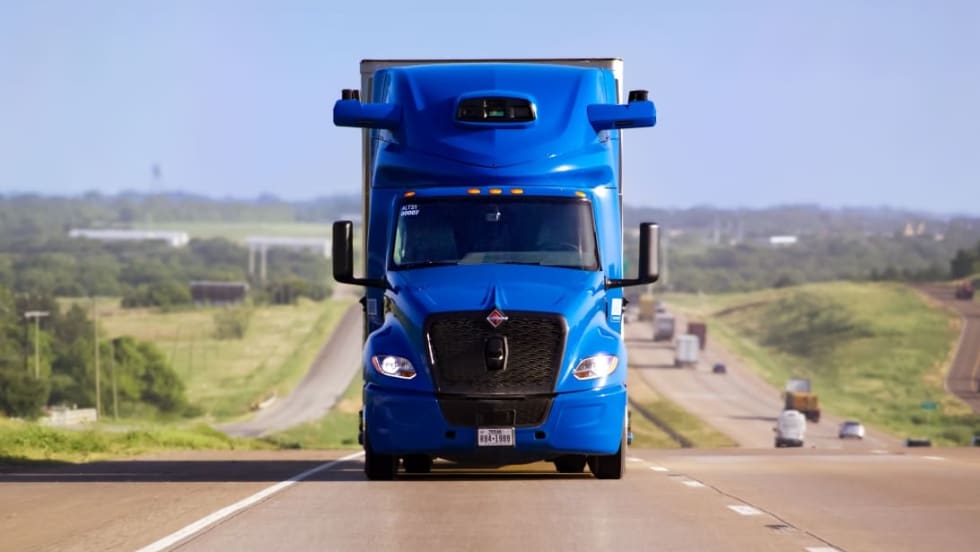
Aurora Rolls Out Next Generation of Driverless Trucks for Commercial Freight
Aurora's latest autonomous trucks it's rolling out with International feature lower-cost hardware designed for a million miles as the company expands commercial driverless freight operations across the U.S. Sun Belt.
Read More →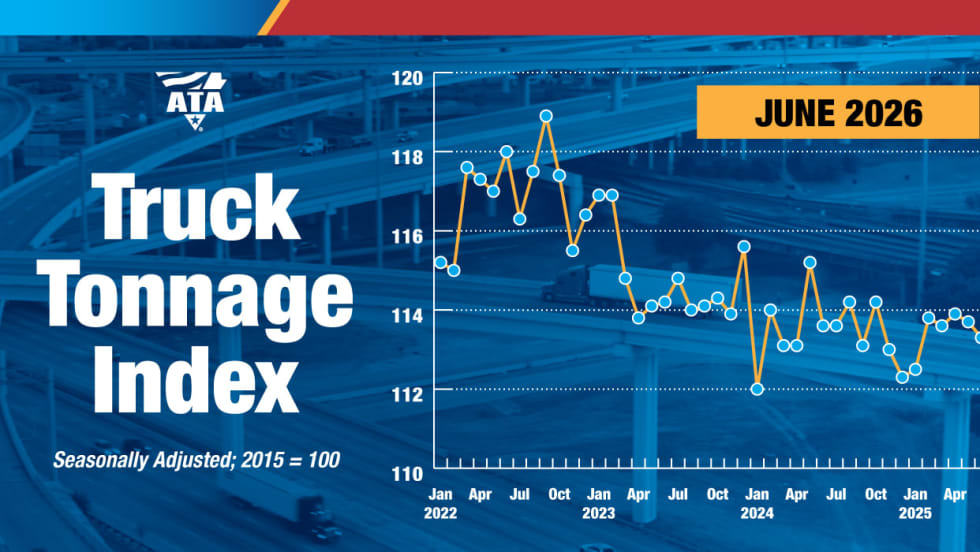
Freight Tonnage Down, Rates up, as Lower Capacity Powers Trucking Recovery
The recovery from the freight recession continues to be driven by reduction in capacity rather than by increased demand.
Read More →
Think Your Trucking Fleet Isn't Using Much AI? Think Again
Shadow AI — the use of unauthorized artificial intelligence tools at work — is becoming increasingly common, putting sensitive company data at risk. Learn how trucking fleets can protect sensitive data while embracing AI.
Read More →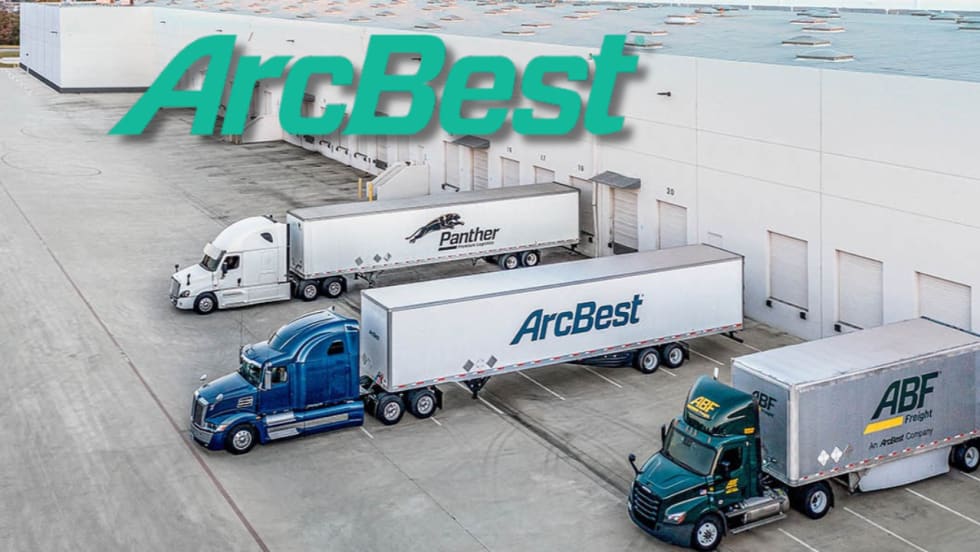
ArcBest Consolidates Brands, Cuts Workforce
The company will bring three business units under the ArcBest brand, eliminate about 2% of positions, and expects the changes to generate $40 million in annual savings.
Read More →
Trucking Fleets Faced Record Operating Costs During Third Year of Freight Recession
ATRI's annual operational cost report shows carriers trimmed fleets, delayed equipment purchases, and ran older trucks as expenses continued to outpace freight rates.
Read More →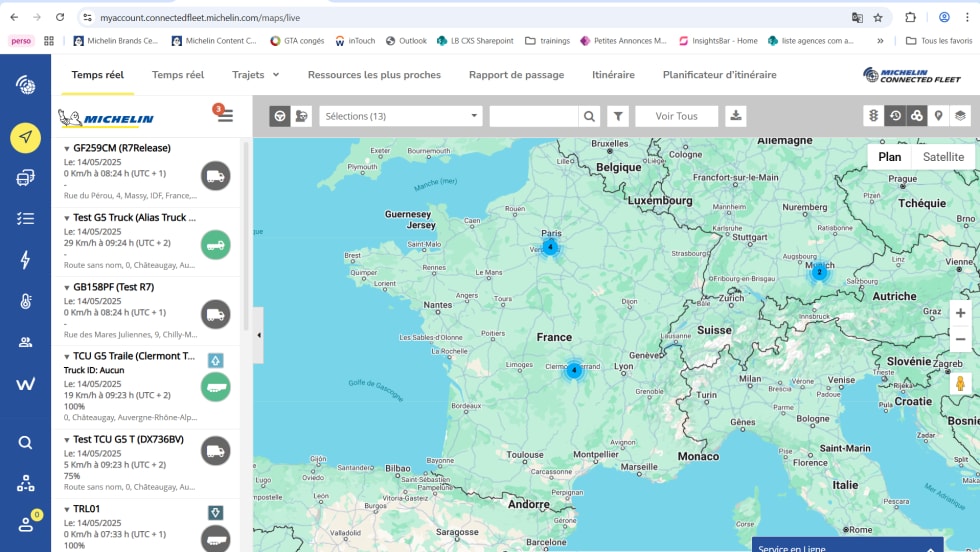
Michelin Adds AI Assistant to MyConnectedFleet Platform
Michelin’s new generative AI tool delivers instant fleet insights, helping managers analyze fuel use, tire maintenance, vehicle status, and operational performance without manually creating reports.
Read More →
LytxOne Platform Now Features AI, Compliance, and Asset Tracking Tools
New enhancements add AI-powered insights, asset tracking, compliance automation, and configurable privacy controls to Lytx's all-in-one fleet management platform.
Read More →