




Canadian Truckers Say Keep Driving Limit At 13 Hours
The Canadian Trucking Alliance and Teamsters Canada are asking Canadian federal and provincial transport regulators to keep the cap on the number of hours a truck driver can drive in a single shift at the current 13
The Canadian Trucking Alliance and Teamsters Canada are asking Canadian federal and provincial transport regulators to keep the cap on the number of hours a truck driver can drive in a single shift at the current 13.
Proposed changes waiting a review by the Commons Transport Committee would allow 14 hours of on-duty time, and would not distinguish between hours worked and hours driven. Current rules allow 13 hours of driving time and a total of 15 hours of so-called "on-duty" time. The committee is expected to hold public hearings on the issue this fall.
In a joint statement, the groups acknowledged that a 13-hour driving cap would be more palatable politically, but would not veer away from the intent of proposed Canadian hours of service changes: to allow drivers to work more healthful work-rest schedules.
The CTA and the Teamsters agreed that total on-duty time should be no more than 14 hours each day before taking at least eight consecutive hours off duty, provided that a driver takes at least 20 hours off duty within a 48-hour period.
"With pre-trip inspections and other required duties, it would be virtually impossible for a driver to operate his rig for 14 consecutive hours," said CTA chief executive David Bradley. "But there is no doubt that this issue has raised concerns among the public; our proposal would serve to set the record straight."
More Equipment

Kodiak Lines Up Fleets for Driverless Trucking
An agreement for 75 trucks, a new Texas freight lane, and progress on safety validation move Kodiak closer to its planned driverless highway launch.
Read More →
How GP Transco Builds Fuel Savings a Fraction at a Time
Aerodynamic specs, solar panels, and driver incentives help GP Transco turn small efficiency gains into savings it can reinvest in its people.
Read More →
More Trailer Data Through the Same Seven-Way [Video]
Can trucking’s standard seven-way connector handle more cameras and trailer data? Grote’s Adam Slade shows HDT how the company is using new technology with its 4See trailer system, not only to add a new backup camera but also to expand other capabilities — without adding another connection.
Read More →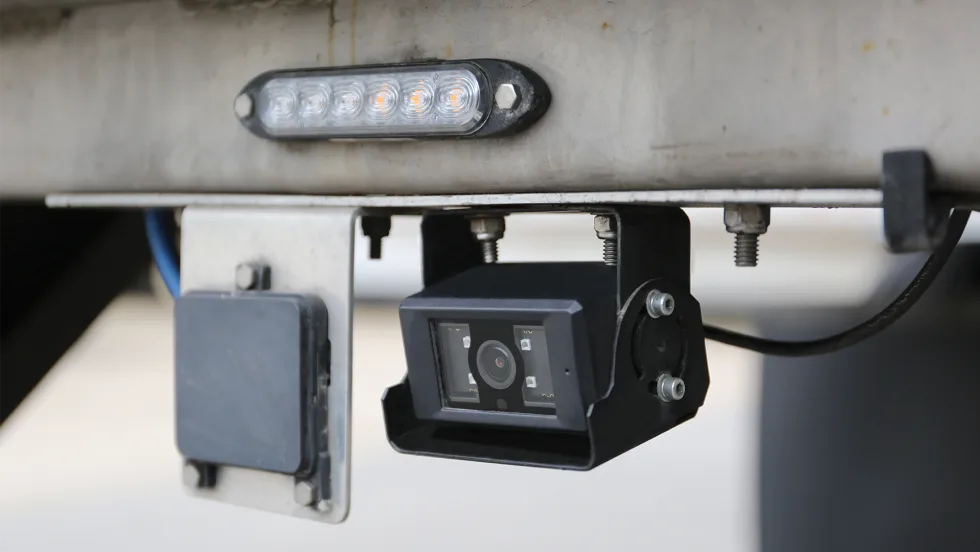
Grote: More Cameras, Same Seven-Way Connector
The next-generation 4See rear-view backup camera from Grote uses the standard seven-way connector and supports additional cameras and other trailer data.
Read More →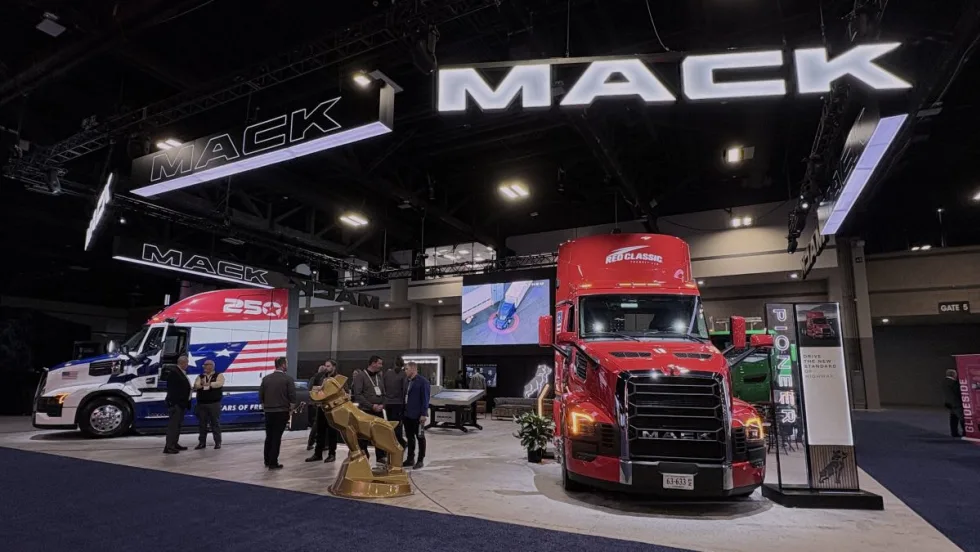
Trucks at ATA's 2026 MC&E in Charlotte, North Carolina [Photos]
From rigs decked out in patriotic America's 250 paint schemes to autonomous trucks and more, check out these photos from ATA's 2026 Management Conference & Exhibition.
Read More →
Help HDT Find Trucking’s Top Products
Have you come across a new product that could make a difference for trucking fleets? Nominate it for HDT’s 2027 Top 20 Products Awards by November 9.
Read More →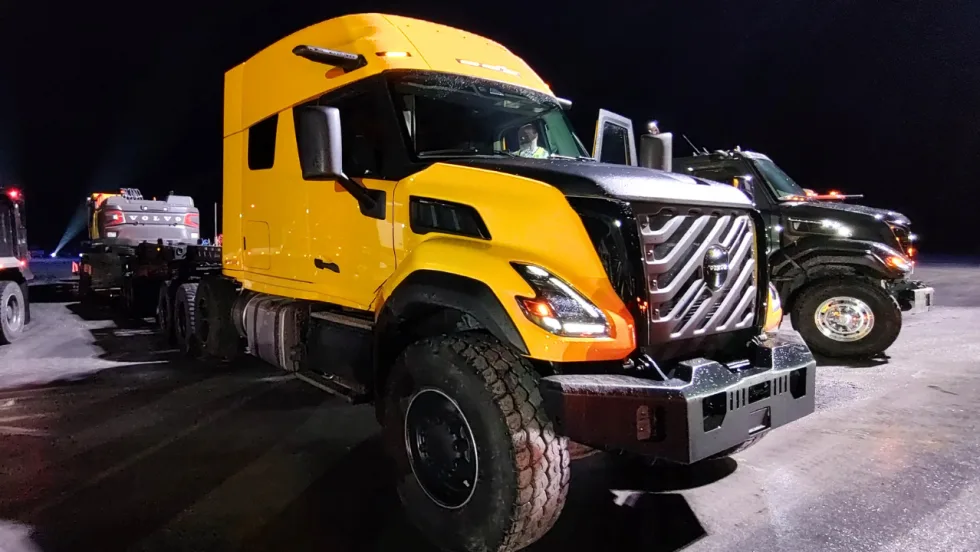
Volvo Unveils New VNX Heavy-Haul and Vocational Truck
Volvo Trucks has launched the VNX, a new vocational truck also available as a tractor in day cab and two sleeper configurations, with one heavy-haul model. The Volvo VNX is powered by Volvo's D13 platform, which delivers up to 540 horsepower and 1,950 pound-feet of torque and is EPA 2027-compliant.
Read More →
How GP Transco Cuts Trucking Fuel Costs, a Tenth of a Gallon at a Time
What’s another tenth of a mile per gallon worth? GP Transco shares how equipment upgrades and driver coaching turn small gains into meaningful fuel savings.
Read More →
Electric Yard Tractors Move Beyond Pilots
Operating-cost savings have overtaken sustainability goals as the leading reason surveyed fleets are adopting battery-electric terminal tractors, according to new NACFE research.
Read More →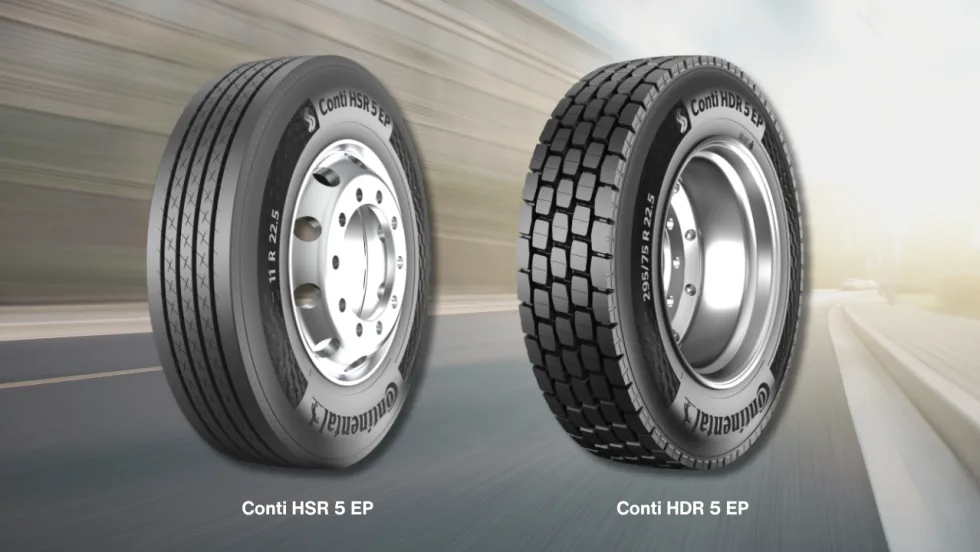
Continental Introduces New Regional Truck Tires
Continental says its new Generation 5 steer and drive tires for regional operations offer longer tread life, with estimated mileage gains of 22% and 19%, respectively.
Read More →