




Canada Grants Six-month Grace Period on Hazmat Training Documentation
Discrepancies in state-issued CDL hazmat training programs have prompted officials with Transport Canada (the government's transportation agency) to require that foreign drivers hauling hazardous materials loads in Canada carry proof-of-training certificates in addition to a CDL with hazmat endorsement
Discrepancies in state-issued CDL hazmat training programs have prompted officials with Transport Canada (the government's transportation agency) to require that foreign drivers hauling hazardous materials loads in Canada carry proof-of-training certificates in addition to a CDL with hazmat endorsement.
This revision in Canadian policy is not a change in the Canadian Transportation of Dangerous Goods regulations (equivalent to U.S. hazmat regulations), but a new view of a widely held assumption that hazmat training standards and documentation are the same across all jurisdictions. Canada says it's no longer confident that all states have similar HAZMAT training standards, or that all state standards meet Canadian requirements.
"Some enforcement personnel and some in the trucking industry are under the impression that the hazmat endorsement on the back of the CDL meets U.S. requirements, which are equivalent to Canadian training requirements. If they do, these are acceptable," says Transport Canada senior communications advisor, Maryse Durette. "However, since U.S. drivers' licenses are administered state-by-state, some states' endorsements meet the Canadian standards; others do not."
Drivers on both sides of the border are required to take training in the safe handling of hazardous materials offered for transport. Standards in the U.S. and Canada require the same training, described in 49 CFR PART 172 Subpart H-Training, or the Canadian equivalent. In the U.S., however, there is no requirement that the driver carry proof of training as there is in Canada. The only difference stemming from Canada's recent change in opinion is that US drivers will need to provide proof of this training.
U.S. hazmat endorsements will remain valid in the U.S., but for travel within Canada, U.S. drivers will need to carry proof that they have received training in accordance with sections 172.700 to 172.704 of 49 CFR, and that is current.
Proof of training could either meet the requirements set out in section 6.3 of Canada's TDG regulations, or they could carry a document such as the one described in 6.4 of the TDG regulations for foreign carriers (see links below), Durette told truckinginfo.com.
While the change in Canada's position on the reciprocity of hazmat training standards takes effect immediately, U.S. drivers and carriers will have six months to get their proof of training documentation in order.
"The Government of Canada has agreed to provide a six month awareness period during which drivers will be informed of the requirements but will not issue [citations]," she said. "Enforcement will begin six months from now."
The regulatory text pertaining to the proof of training can be found in Part 6 of Canada's TDG regulations. The specific requirements for US drivers can be found in section 6.4.
www.tc.gc.ca/tdg/clear/part6.htm
www.tc.gc.ca/tdg/clear/part6.htm#sec64
More Equipment
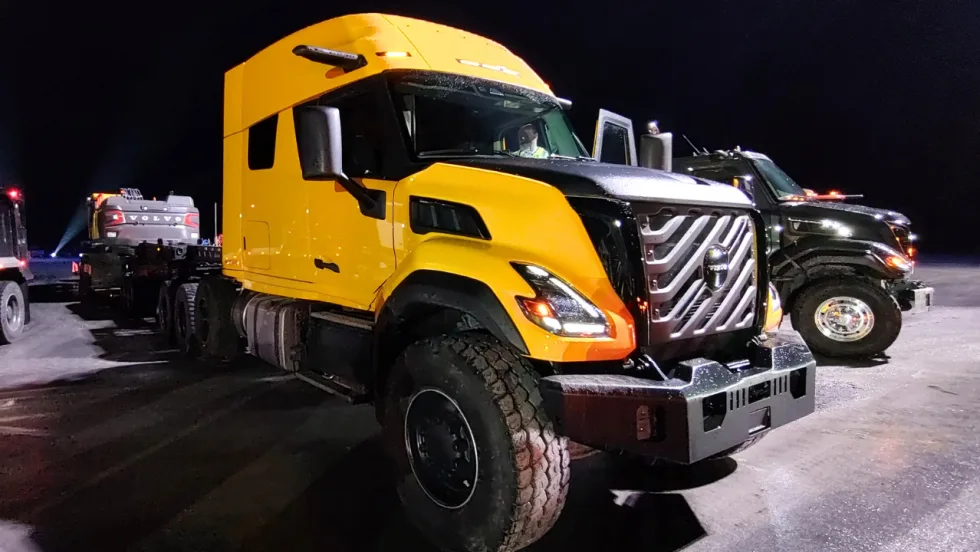
Volvo Unveils New VNX Heavy-Haul and Vocational Truck
Volvo Trucks has launched the VNX, a new vocational truck also available as a tractor in day cab and two sleeper configurations, with one heavy-haul model. The Volvo VNX is powered by Volvo's D13 platform, which delivers up to 540 horsepower and 1,950 pound-feet of torque and is EPA 2027-compliant.
Read More →
How GP Transco Cuts Trucking Fuel Costs, a Tenth of a Gallon at a Time
What’s another tenth of a mile per gallon worth? GP Transco shares how equipment upgrades and driver coaching turn small gains into meaningful fuel savings.
Read More →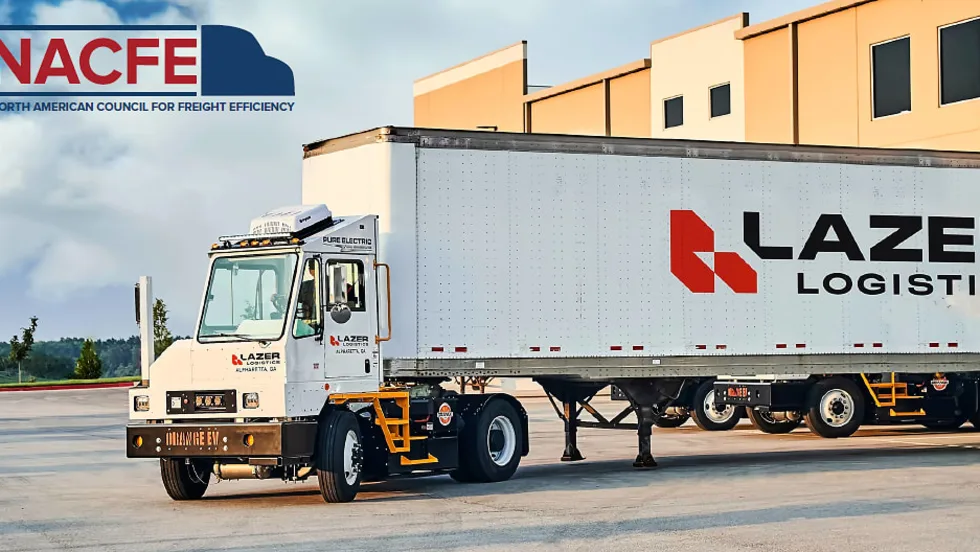
Electric Yard Tractors Move Beyond Pilots
Operating-cost savings have overtaken sustainability goals as the leading reason surveyed fleets are adopting battery-electric terminal tractors, according to new NACFE research.
Read More →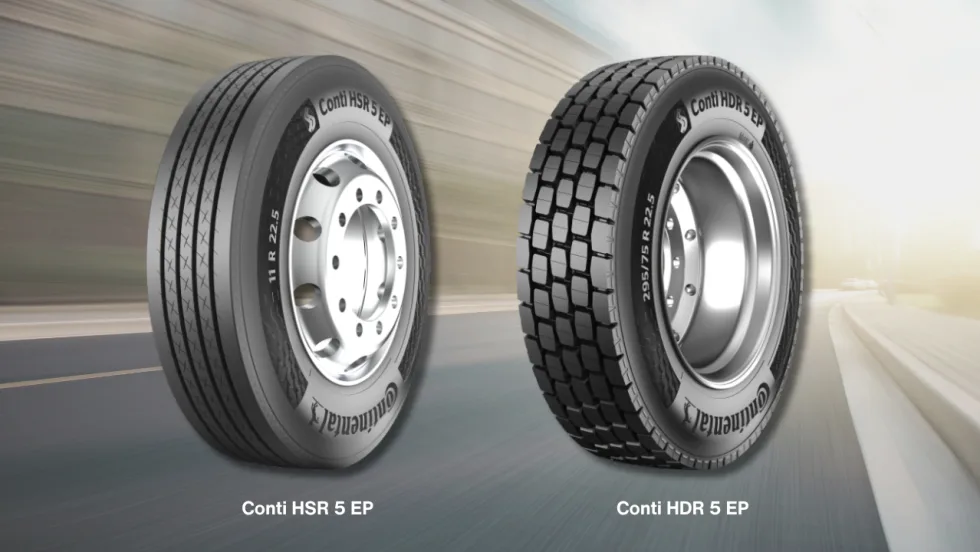
Continental Introduces New Regional Truck Tires
Continental says its new Generation 5 steer and drive tires for regional operations offer longer tread life, with estimated mileage gains of 22% and 19%, respectively.
Read More →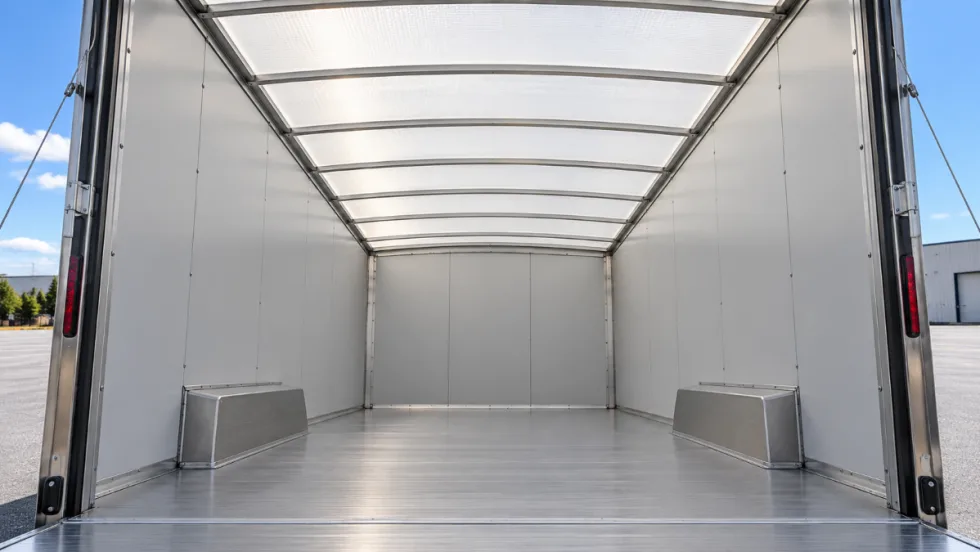
Tekmodo Introduces CargoBright Brand for Translucent Trailer Roofs
CargoBright is designed to diffuse daylight across the cargo area while performing as a working vehicle roof.
Read More →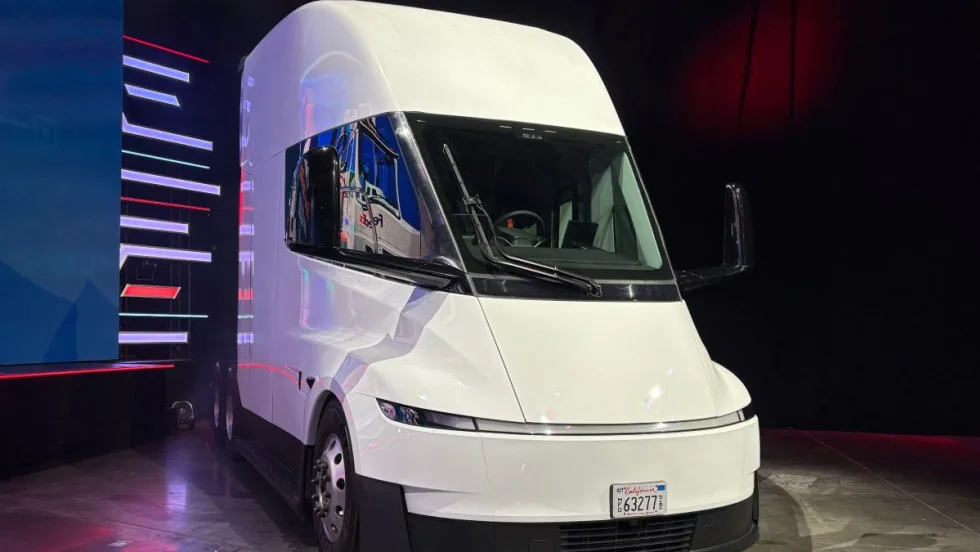
Fleet Economics Shape Electric Truck Outlook
ACT Research expects costs, charging infrastructure, and technology improvements to drive zero-emission commercial vehicle adoption as federal regulations and incentives retreat.
Read More →
Kodiak Targets Dallas–Houston for Driverless Trucks
The company says its autonomous trucks are completing the I-45 run without a safety observer taking control. It plans to remove the observer by the end of 2026.
Read More →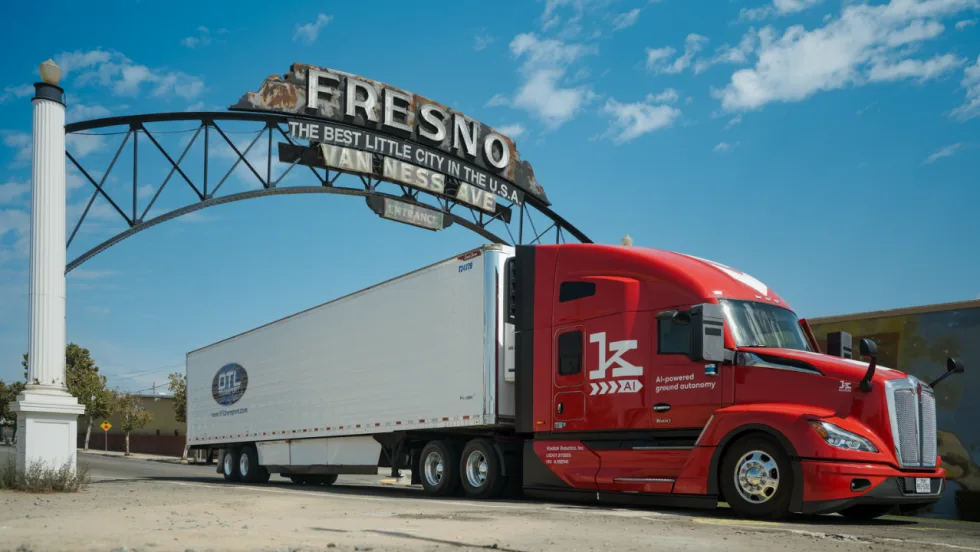
Kodiak Hauls Produce in California Autonomous Truck Pilot
Kodiak AI and DTL Transport have begun hauling produce between Fresno and Los Angeles under California’s new rules for testing heavy-duty autonomous trucks. A safety driver remains behind the wheel.
Read More →
Used-Truck Remarketing Math Is Changing
Used-truck value is no longer just a concern at trade-in. Decisions made throughout a truck’s first life can influence what it’s worth years later.
Read More →
How Volvo Updated Its D13 for EPA 2027 [Watch]
Volvo’s updated D13 promises lower emissions without sacrificing performance or fuel economy. Take a closer look at what changed inside the engine in this HDT Spotlight video.
Read More →