




How is The Regulatory Shift Affecting This Early Adopter of Zero-Emission Trucks? [Video]
California Proposal Could Reduce Truck Emissions Rules Uncertainty
Owners and operators of large fleets and drayage trucks in California have been in emissions regulations limbo since 2023. This uncertainty may end soon.
by Maureen Gorsen and Caleb Bowers, Sidley Austin
September 24, 2025
The California Air Resources Board is proposing to eliminate electrification requirements for large fleets and drayage operators that have been in limbo due to litigation and unresolved federal waiver issues over its Advanced Clean Fleets rules.
HDT Graphic
7 min to read
Owners and operators of large fleets and drayage vehicles in California have been in a regulatory limbo since 2023. This uncertainty may end soon.
The California Air Resources Board has proposed to repeal the High-Priority and Drayage components of its Advanced Clean Fleets regulations.
Adopted by CARB in 2023 when Biden was still president, these rules failed to obtain the U.S. Environmental Protection Agency’s approval and were withdrawn by CARB before President Trump took office.
However, there were still parts of ACF that affected in-state fleets and did not require the EPA waiver.
The ACF rules have also been the subject of several lawsuits criticizing their complex fleet electrification requirements. Owners and operators of heavy-duty vehicles operating in California and fleet owners and operators should watch these proceedings closely.
In addition to repealing these controversial components, the CARB proposal would also amend the Low Carbon Fuel Standard (LCFS) and certain portions of ACF related to public fleets, heavy-duty vehicles, and fleet operators to provide additional flexibility.
Key Takeaways
- If finalized, CARB’s repeal of the ACF provisions will relieve affected fleets of zero-emission vehicle (ZEV) procurement obligations while CARB considers alternative regulatory strategies.
- The repeal would eliminate electrification requirements for large fleets and drayage operators that have been in limbo due to litigation and unresolved federal waiver issues. CARB has emphasized that it remains committed to reducing heavy-duty emissions through other approaches, including indirect source rules (such as regulating warehouse-related emissions) and incentive programs.
- Additional regulatory actions have been proposed to continue California’s ongoing fight with EPA. EPA has proposed measures to limit CARB’s Clean Truck Check (CTC) regulation — also called Heavy Duty Inspection/Maintenance — to exclude vehicles registered outside of California from certain enforcement.
- And, CARB recently proposed regulations to clarify that manufacturers may certify new vehicles and engines under either contested regulations or earlier model year standards while litigation with the federal government plays out.
Repeal of Advanced Clean Fleets Provisions
CARB is proposing to repeal the elements of Advanced Clean Fleets applicable to High-Priority, Federal, and Drayage Fleets, which required these fleets to phase in zero-emission vehicles.
The ACF High-Priority Fleet provisions required large private and federal fleets (generally, those with more than 50 trucks or $50 million in annual revenue) to begin phasing in ZEVs when adding or replacing medium- and heavy-duty vehicles, with escalating ZEV purchase percentages starting in 2024 and continuing through 2042.
The Drayage Truck requirements, which apply specifically to vehicles serving California’s ports and intermodal railyards, mandate that all newly registered drayage trucks be zero-emission starting in 2024 and prohibit the operation of internal combustion engine drayage trucks after 2035.
Collectively, these provisions were designed to accelerate the turnover of high-mileage and high-impact vehicles into ZEVs.
What a Repeal Means for Trucking Fleets
If the regulations are repealed, fleet owners and operators will no longer need to electrify their fleets and will not be limited to adding only ZEV drayage vehicles to their fleets that operate in California ports and railyards.
In its rulemaking notice, CARB notes that the repeal “will allow CARB to refocus its efforts” in light of the federal government’s hostility.
CARB explained that it intends to consider alternative regulatory strategies that may achieve similar objectives while avoiding continued litigation risk — meaning new regulations are likely on the horizon.
The proposed ACF repeal would completely remove the Drayage Truck Requirements (Title 13, Section 2014 through 2014.3) and the High-Priority and Federal Fleet Requirements (Title 13, Section 2015 through 2015.6).
Although CARB attributes the repeal proposal to EPA’s inaction on its waiver application under the prior administration and the current administration’s hostility to CARB’s regulation, CARB is also subject to court orders where it agreed to propose the repeal.
Lawsuits by several automotive and trucking organizations, and others, challenged ACF’s legality, and CARB responded by committing to a repeal of the High-Priority Fleet and Drayage Fleet provisions by October 31, 2025. CARB is now acting on that commitment.
The state and local government requirements of ACF would remain in effect, subject to proposed amendments that allow state and local governments to phase out internal combustion engine vehicles more gradually and flexibly.
Public Fleets and the Low-Carbon Fuel Standard
The proposed amendments would also increase flexibility for public utilities in meeting ZEV milestones in compliance with AB 1594, which mandated certain changes to the ACF requirements.
Under the proposed amendments, public entities providing water, electricity, or wastewater services may continue purchasing replacements for their vehicles in order to “maintain reliable service and respond to major foreseeable events.”
CARB also proposes a modest change to its Low Carbon Fuel Standard regulation, modifying the crediting system for medium- and light-duty hydrogen refueling infrastructure to improve incentives for hydrogen stations and accelerate the development of hydrogen fueling infrastructure.
The amendment would allow public stations to receive credits for 100% of their nameplate capacity (up to 1200 kg/day) and private stations for 50% of capacity. This is an increase from the current limit of 62.5% for public stations and 31.5% for private stations.
CARB states that this change is intended to better support the development of hydrogen stations suitable for medium-duty vehicles, though it does not raise the overall cap on HRI credits.
Business Impacts of High-Priority and Drayage ACF Repeal
If finalized, the repeal of the High-Priority and Drayage components of ACF would bring greater certainty to fleets and operators who have been in limbo since the regulations were adopted but left unenforceable pending litigation and federal waiver approval.
Fleets will have increased flexibility to decide when and how, if at all, they add ZEV heavy-duty and drayage trucks to their fleet, in addition to certain other types of vehicles, such as delivery vehicles in large fleets.
CARB’s repeal proposal is not, however, the end of California’s focus on heavy-duty fleet emissions.
California has already signaled that it will pursue alternative strategies, including indirect source rules for warehouses and freight hubs, and targeted purchase incentive programs to sustain momentum toward ZEV adoption.
Fleets should therefore remain vigilant in monitoring and engaging with CARB’s proposed rulemakings and planning for the impacts of any new requirements.
Status of Other CARB Heavy-Duty Regulations
The ACF repeal does not occur in isolation. Other CARB heavy-duty regulatory programs remain in flux, particularly in light of the June 2025 resolutions that Congress passed disapproving EPA’s waiver decisions.
These actions disapproved CARB’s Advanced Clean Trucks (ACT), Omnibus Low-NOx, and Advanced Clean Cars II regulations.
On August 25, 2025, CARB issued an advisory to manufacturers (MAC ECCD-2025-08), addressing ongoing uncertainty for model years 2025–2026. CARB confirmed it will:
- Continue to process certification applications under both the contested regulations and under earlier emissions standards,
- Continue to accept manufacturer sales reports under ACT, meaning CARB may still attempt to implement the ZEV sales mandate on manufacturers, and
- Suspend enforcement of certain fleet-based ZEV requirements — for example, the Zero-Emission Airport Shuttle mandate for privately owned fleets in 2026.
CARB emphasized that it reserves the right to enforce the contested standards retroactively if the CRA resolutions that revoked the EPA waivers are struck down.
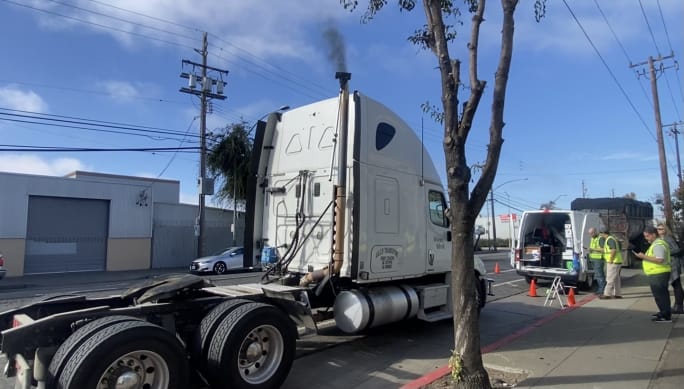
EPA wants to limit CARB’s Clean Truck Check (CTC) regulation, which targets diesel truck exhaust pollution, to exclude vehicles registered outside of California.
Photo: CARB
Clean Truck Check In EPA’s Crosshairs
Separately, EPA has initiated rulemaking on a proposed framework for disapproving elements of CARB’s Clean Truck Check regulation (formally known as Heavy-Duty Vehicle Inspection and Maintenance Program), which applies to most heavy-duty vehicles that operate in California — even if not registered in the state.
EPA’s proposal would disapprove the regulation as it applies to vehicles registered outside of California.
The disapproval relates only to the federal enforceability of the requirements, however, meaning that fleets could face different federal and state requirements if California continues to enforce the requirements under state law against out-of-state fleets.
EPA’s position may also make California’s out-of-state requirements more likely to be challenged in court.
Stakeholders are closely watching these developments and deciding how to plan their fleet procurements based on this shifting federal and state landscape.
Conclusion: The Evolving Tension Between State and Federal Regulators
CARB’s proposed repeal of the ACF High-Priority and Drayage provisions reflects the evolving tension between state-level requirements and federal oversight of fleets and vehicle emissions.
While CARB’s ACF repeal may reduce immediate obligations, CARB is still attempting to maintain a trajectory toward broader ZEV adoption and tighter heavy-duty standards.
CARB also continues to defend many of its existing programs in litigation while exploring alternative compliance pathways. Federal intervention could provide relief, but that further complicates the landscape and requires careful planning, especially for retiring and procuring vehicles.
CARB is scheduled to conduct a public hearing on the proposed ACF repeal on September 25, which interested participants may attend in person or remotely by Zoom.
More Fuel Smarts

California Bill Could Shed Light on Electric Truck Prices
Why do battery-electric Class 8 trucks remain so expensive? A California bill headed to Gov. Gavin Newsom would give fleets and state agencies more visibility into what manufacturers charge.
Read More →
Detroit Opens Orders for EPA 2027 Engines
Detroit isn’t starting from scratch to meet EPA 2027 diesel emissions standards. Its Gen 6 DD13 and DD15 engines keep much of today’s platform while updating the fuel and aftertreatment systems.
Read More →
Zero-Emission Truck Corridor Planned for West Coast
California, Oregon, Washington, British Columbia and Baja California are coordinating plans for truck charging and hydrogen fueling from Canada to Mexico.
Read More →
A Closer Look at Kenworth’s Electric T880E Vocational Truck [Video]
Learn more about Kenworth's T880E battery-electric vocational truck at the Paccar Technical Center, including its range, applications, upfitting considerations, and PTO options, in this HDT Spotlight video.
Read More →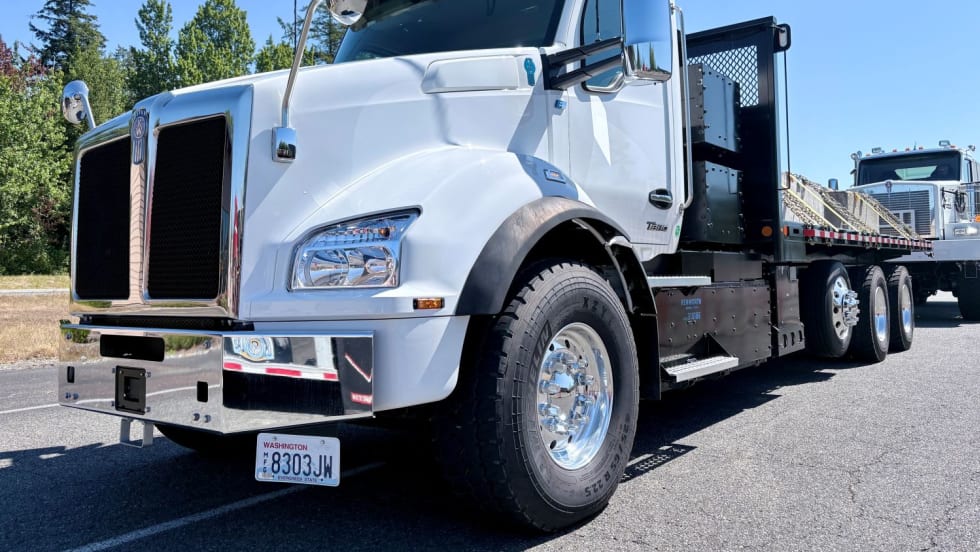
Kenworth T880E Brings EV Power to Vocational Trucks
A closer look at the Kenworth T880E’s range, charging, powertrain and upfit options — and where fleets are showing the most interest.
Read More →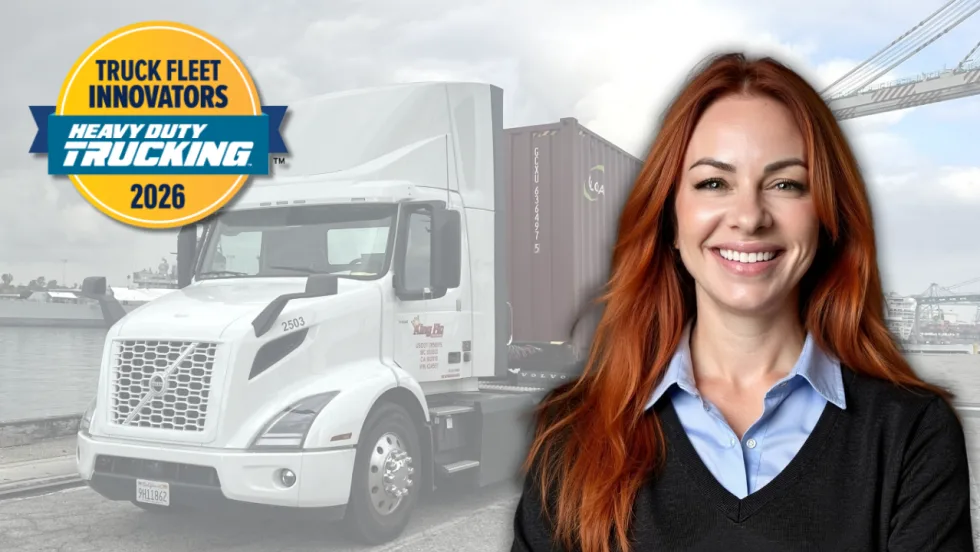
Jennie Abarca Is Proving Electric Trucks Can Do the Job
HDT Truck Fleet Innovator Jennie Abarca is building confidence in fleet electrification one load at a time while openly sharing the challenges she encounters along the way as a small-fleet owner.
Read More →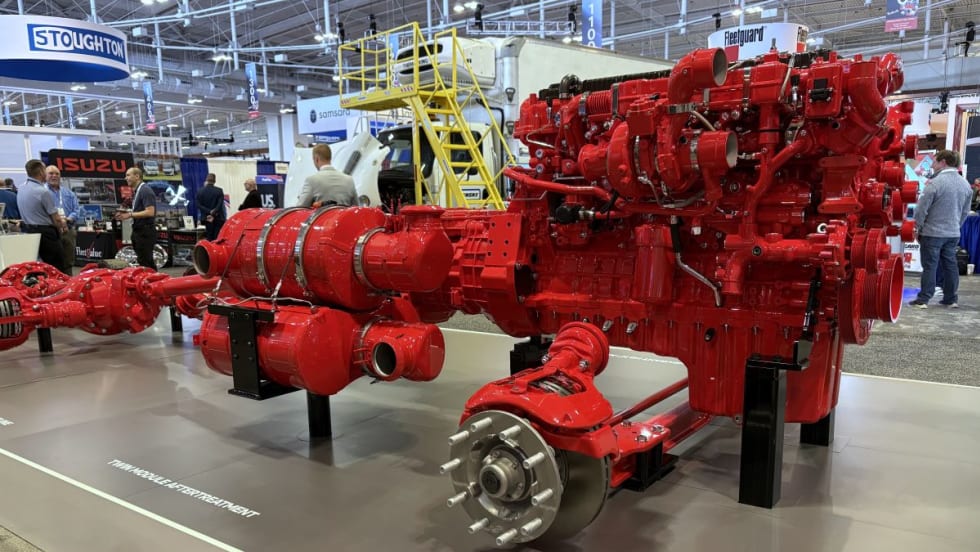
Cummins Adjusts 2027 Engine Rollout After EPA Proposal
The engine maker will gradually introduce its new Model Year 2027 diesel engines while continuing to offer current models during the transition, citing the EPA's proposed emissions rule changes.
Read More →
EPA Proposal Could Ease 2027 Truck Costs and Buying Uncertainty
The proposal doesn't change the tougher NOx standard, but it would revise key implementation requirements that manufacturers say have driven up costs and complicated fleet purchasing decisions.
Read More →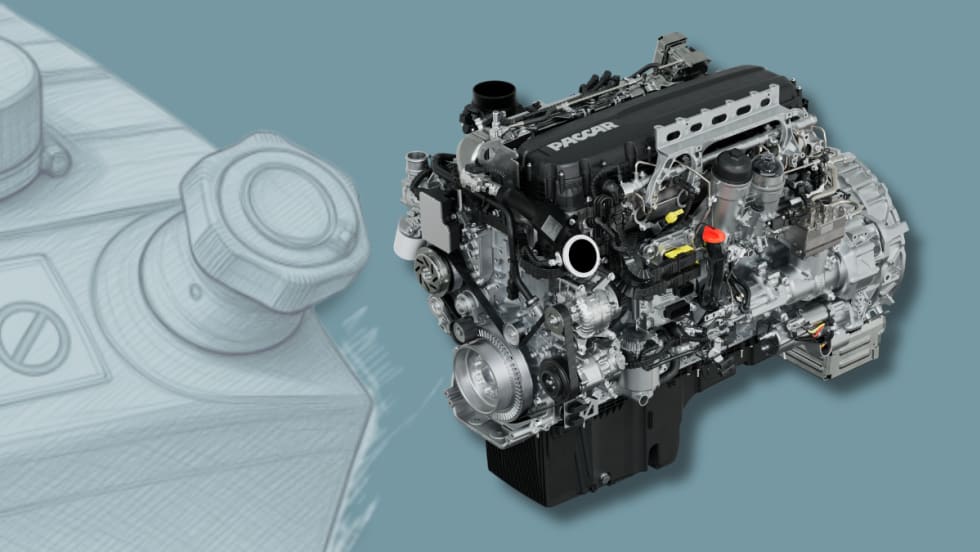
Cummins, Paccar Ease DEF Derates After EPA Guidance
Updated diesel engine software gives truck operators more time to address emissions-system issues while staying compliant with EPA emissions standards.
Read More →
Maintenance in the Messy Middle Part 3: Biodiesel
Biodiesel can reduce emissions, improve fuel-system lubricity and use existing diesel infrastructure. But NACFE’s Messy Middle maintenance report says fleets must actively manage storage, cold-weather operation, filters and oil drain intervals to avoid problems.
Read More →