




Bumpy Road Ahead as Highway Bill Heads to Senate
Some key stakeholders seek changes before Senate takes up highway bill passed by the House.

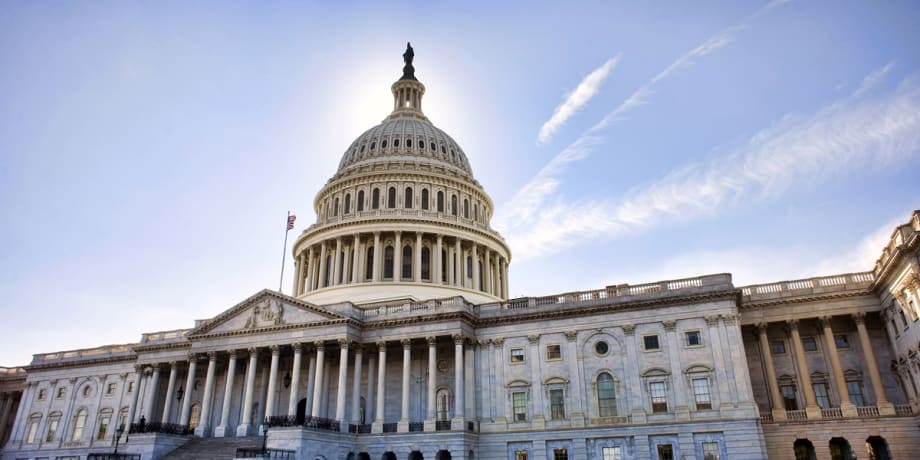
Some key stakeholders seek changes before Senate takes up highway bill passed by the House.
Photo: Gettyimages.com/mj0007
With most eyes riveted on the potential for a trillion dollars of infrastructure funding to flow out of the Senate, many in trucking may be unaware that the new highway bill passed on July 1 by the House is stirring concerns for some key stakeholders. As it currently stands, this reauthorization bill would spend $549 billion over five years on surface transportation improvements, including $343 billion on roads, bridges, and highway safety.
Since the bill sailed through the House on a mostly party-line vote, concerns have been voiced anew by associations representing the interests of state transportation department officials and the road-construction lobby, according to reporting by Politico.com.
Concerned about certain provisions aimed at counteracting climate change by pivoting away from some highway-building in favor of greater use of “greener” options like mass transit, these groups contend the bill would cut flexibility for decision-making by states while also assigning more control to cities over transportation projects.
Their opposition to certain provisions of the Investing in a New Vision for the Environment and Surface Transportation in America (INVEST in America) Act may slow the passage of companion legislation by the Senate.
Why building fewer roads, as the House bill favors, would even be a good thing, consider how the Rocky Mountain Institute, an independent clean-energy organization, frames the issue: “As U.S. leaders consider a dramatic infusion of public investment in infrastructure, now is the time to rethink how we develop our road infrastructure and our solutions to problems like congestion.”
Backing up that contention, RMI points to where an over-emphasis on road-building has led. “Since 1980, total lane-miles in urban and suburban areas, where 70% of traffic occurs, have doubled,” the institute stated. “Despite a decades-old theoretical understanding that road expansion does not ease congestion, new projects continue to be justified on these grounds.Road expansion projects have failed to deliver the promised benefits, while evidence continues to mount that they exacerbate traffic and associated pollution.”
Offering perhaps a more subtle take on this, Jim Tymon, executive director of the American Association of State Highway and Transportation Officials said in a recent statement that “AASHTO continues to call for a bipartisan [highway] bill that strengthens and builds upon formula-based funding to states, while maintaining the flexibility necessary to allow states to deliver national transportation priorities.”
More to the point is a statement by the Associated General Contractors of America that argues the House bill would place restrictions on or exclude eligibilities for expanding highway capacity.
AGC is concerned these restrictions would inhibit state DOTs’ flexibility on how to best invest in their roads and bridges.
AGC also opposes provisions that, “significantly” allow funding eligibilities for public transit and intercity passenger rail capital projects, as well as operating expenses for such projects.” AGC is concerned that these new eligibilities could come at the expense of meeting the core mission of the Highway Program.” And the group said the bill negatively impact the roadway construction industry, “particularly smaller and DBE [Disadvantaged Business Enterprise] construction firms.”
With or without addressing any of those concerns, how far the House highway bill gets from here is uncertain. In the Senate, it will have to be combined with a companion bill or folded it into whatever gargantuan infrastructure package is eventually passed.
More Fleet Management

Color Match Smarter: Tools That Restore & Perform
For fleet managers and collision repair professionals keeping heavy-duty trucks on the road, getting the color right the first time isn't just about appearance — it's about efficiency, turnaround time, and bottom-line results. Discover how today's digital color tools are transforming the repair process from guesswork to precision.
Read More →
FMCSA Pauses Biennial-Update Enforcement Amid Motus Transition
Carriers whose updates were due on or after June 1 have more time, while FMCSA works to stabilize its new registration system and warns of phishing sites impersonating its new carrier registration system, Motus.
Read More →
2026 Blueprint for Countering Smarter Supply Chain Theft
Cargo theft is no longer just the cost of doing business. It's a multi-billion-dollar criminal enterprise exploiting vulnerabilities across your fleet, drivers, and supply chain.
Read More →


How Telematics Improves Visibility, Control, and Performance in Refrigerated Fleets
Explore how telematics help refrigerated fleets improve visibility, uptime, efficiency, compliance, and cargo protection across connected cold chain operations.
Read More →
What the U.S.-Canada Trade War Means for Trucking
Escalating U.S.-Canada tariffs could disrupt cross-border freight, reduce truck volumes, raise costs, and create new uncertainty for carriers on both sides of the border.
Read More →
What Are Trucking’s Top Concerns for 2026?
The American Transportation Research Institute wants to know what's worrying trucking fleet managers, drivers, and other stakeholders in its annual Industry Issues survey.
Read More →
American Trucking Associations Looks for a New Leader
ATA President and CEO Chris Spear abruptly left his job at the association on August 21, at a pivotal time for the trucking industry.
Read More →
Public Wi-Fi Cybersecurity Risks: How Truck Drivers and Fleets Can Protect Their Data
Public Wi-Fi can expose truck drivers and fleets to credential theft, malware, and other cyber threats. Here’s how to reduce the risk on the road.
Read More →
For Nicky Cupp, Fleet Innovation Starts With Frustration
HDT Truck Fleet Innovator Nicky Cupp turns everyday pain points at Fraley & Schilling into opportunities for better technology and smarter processes.
Read More →
Adam Buttgenbach’s Approach to Electric Trucks: Start With Where They Fit
HDT Truck Fleet Innovator Adam Buttgenbach helped PepsiCo build one of North America’s largest EV fleets by focusing on where electric trucks make operational sense.
Read More →