




Bridgestone Names Head of North American Commercial Business
Bridgestone Americas has announced that Scott Damon has been named president, commercial group, U.S. and Canada for Bridgestone Americas Tire Operations, effective Oct. 1.

Scott Damon Photo: Bridgeston Americas

Bridgestone Americas has announced that Scott Damon has been named president, commercial group, U.S. and Canada for Bridgestone Americas Tire Operations, effective Oct. 1.
Damon will oversee all business operations within the commercial tire portfolio, succeeding Kurt Danielson, who is retiring after 23 years with the company. Damon will be responsible for leading the company’s commercial tire sales and service operations in North America, which includes truck and bus radial tires, off-the-road tires, Firestone agricultural tires, the Bandag retread business, and commercial retail operations.
Danielson has been in his current role as president of U.S. and Canada commercial tire sales since May 2014. He joined Bridgestone in 1994 as a territory manager in Cincinnati, Ohio, and throughout his tenure progressed through numerous leadership positions within the company.
"Kurt's leadership has been instrumental in growing our commercial tire and service business, and he has positioned the team for continued success after his retirement," said Gordon Knapp, CEO and president, Bridgestone Americas. "Scott started his Bridgestone career in the Commercial organizations and has since gained diversified leadership experience across the Bridgestone portfolio. We are eager to bring his talents to such a pivotal role within the company."
Damon joined Bridgestone in 1996 as a development engineer for Bandag, which was acquired by Bridgestone Americas in 2007. During his career with Bridgestone, Damon has served in various roles including executive director of strategic planning for the Bridgestone Americas Technical Center and, most recently, president of Firestone Industrial Products.
He graduated from Carnegie Mellon University with a bachelor's degree in mechanical engineering, earned an MBA from Frostburg State University, and completed certificate studies in executive leadership and management at the University of Notre Dame.
More Equipment

Drivers Put Western Star Trucks to the Test at Star Nation Experience
Watch to get an inside look at the Western Start trucks, technology, and community behind the Star Nation Experience 2026!
Read More →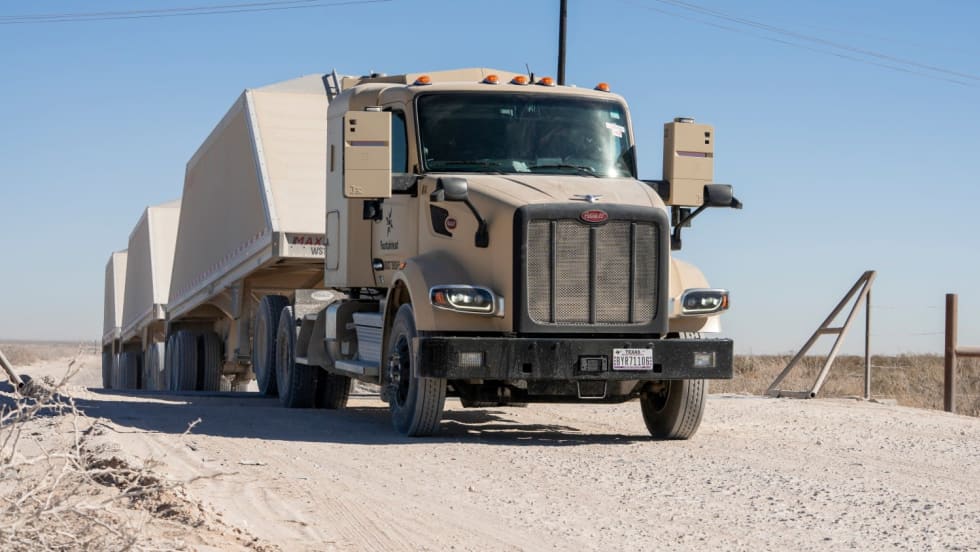
Atlas Expands Kodiak Driverless Truck Fleet in Permian Basin
Atlas Energy Solutions is expanding autonomous frac sand hauling in the Permian Basin with a second load-out location and plans for 100 driverless trucks by mid-2027.
Read More →
Putting Mack’s Command Steer to the Test
A test drive of Mack’s Command Steer active steering system evaluates how it can make truck driving easier and less tiring.
Read More →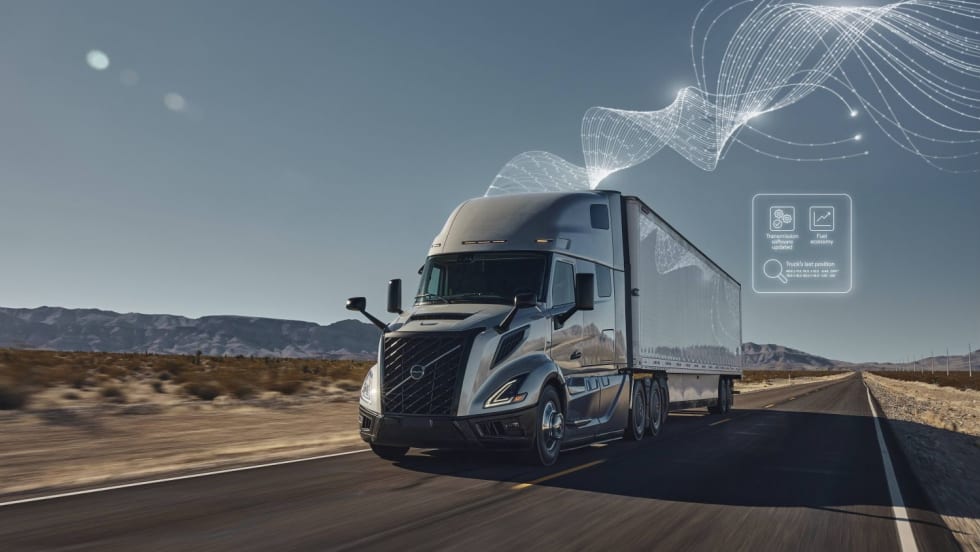
Mack, Volvo Expand DEF Derate Software Updates
The updated software gives Mack and Volvo truck owners more time to address DEF-related issues before the engine derates or the vehicle goes into reduced-speed inducement, following new EPA guidance.
Read More →
Rush, MCT Team Up to Grow Refrigeration Service Network
The joint venture will operate MCT's network of Carrier Transicold dealerships and mobile service locations, with the companies promising greater service capacity and uptime for refrigerated fleets.
Read More →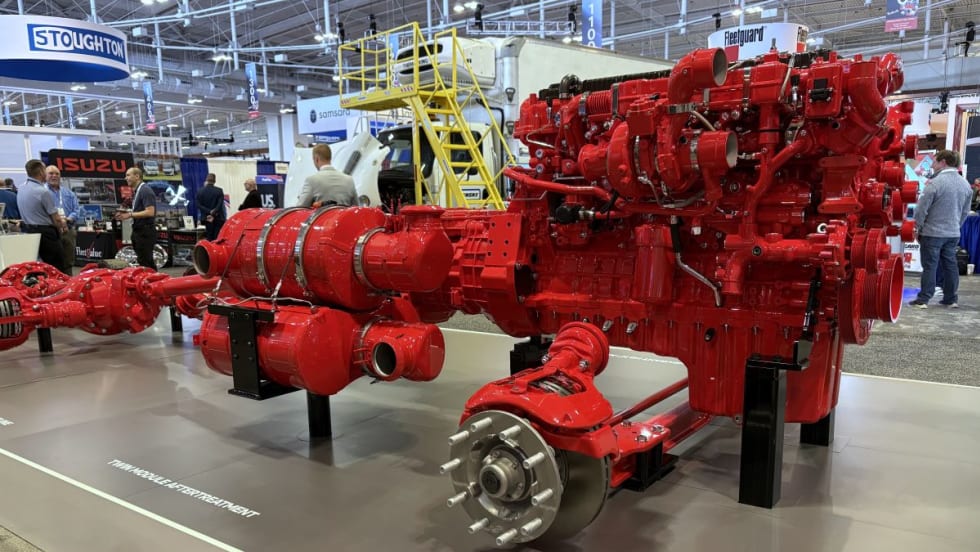
Cummins Adjusts 2027 Engine Rollout After EPA Proposal
The engine maker will gradually introduce its new Model Year 2027 diesel engines while continuing to offer current models during the transition, citing the EPA's proposed emissions rule changes.
Read More →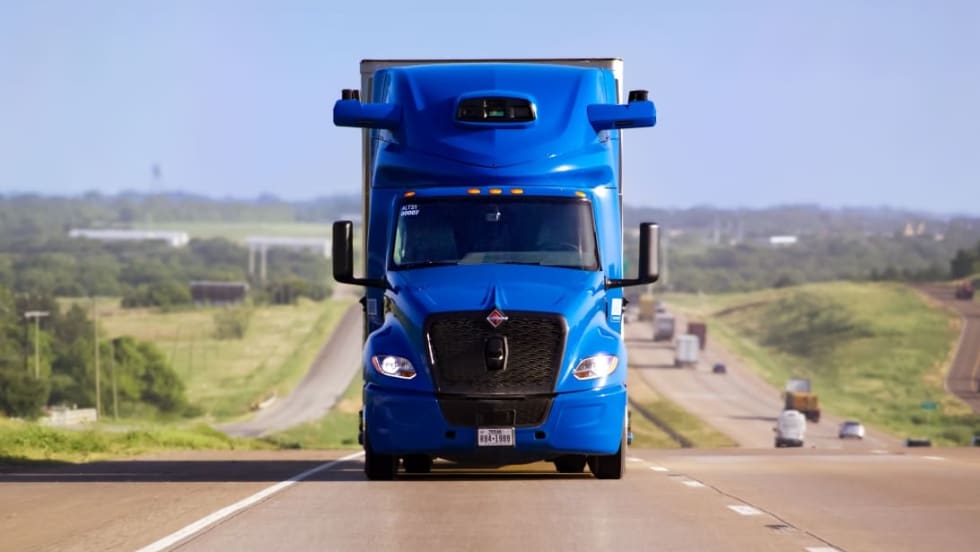
Aurora Rolls Out Next Generation of Driverless Trucks for Commercial Freight
Aurora's latest autonomous trucks it's rolling out with International feature lower-cost hardware designed for a million miles as the company expands commercial driverless freight operations across the U.S. Sun Belt.
Read More →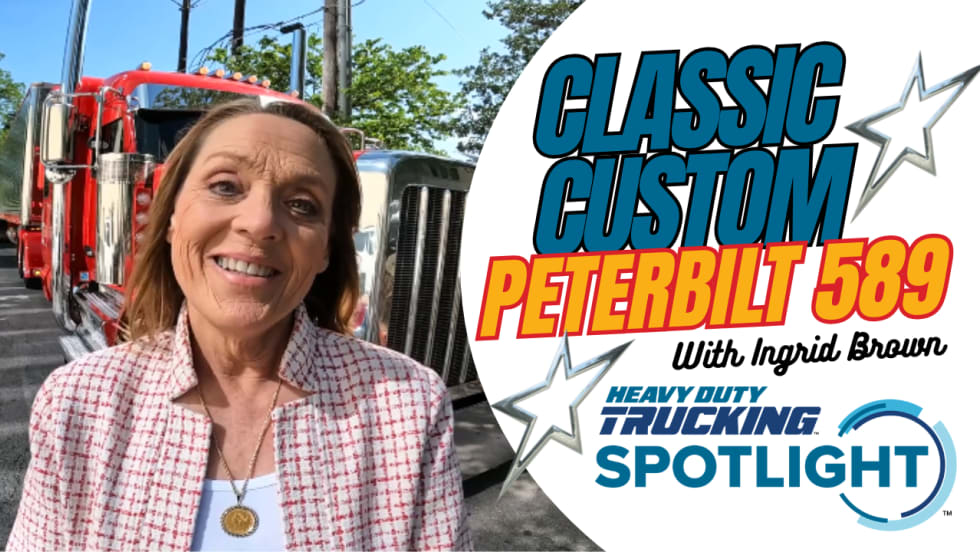
Peterbilt 589 Spotlight: A Close Look at a Custom Working Truck [Video]
There's more to this customized Peterbilt Model 589 and Great Dane refrigerated trailer than chrome and stainless (although there's plenty of that too!) A veteran driver explains the design choices and practical features behind this working truck.
Read More →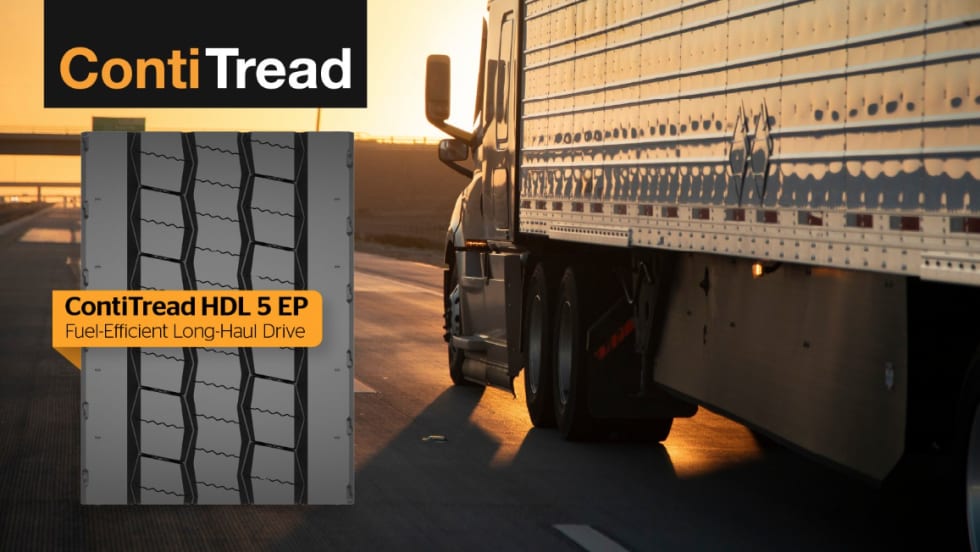
Continental Expands Retread Lineup With New ContiTread HDL 5 EP
New long-haul drive retread is designed to improve fuel efficiency, extend tread life, and lower fleets' cost per mile.
Read More →
EPA Proposal Could Ease 2027 Truck Costs and Buying Uncertainty
The proposal doesn't change the tougher NOx standard, but it would revise key implementation requirements that manufacturers say have driven up costs and complicated fleet purchasing decisions.
Read More →