




Border Truck Crossings Drop
Truck crossings into the United States from Canada and Mexico fell by 4.2 percent from 2000 to 2001, the first annual decline since the North American Free Trade Agreement took effect in 1994
Truck crossings into the United States from Canada and Mexico fell by 4.2 percent from 2000 to 2001, the first annual decline since the North American Free Trade Agreement took effect in 1994,
according to new border crossing data from the U.S. Department of Transportation's Bureau of Transportation Statistics.
Total truck crossings into the United States dropped from 11.6 million in 2000 to 11.1 million in 2001. The decreases were similar in magnitude on both U.S. borders. Truck crossings from Canada fell from more than 7 million in 2000 to 6.8 million in 2001, or 3.8 percent. Those crossings into the United States from Mexico fell from more than 4.5 million in 2000 to 4.3 million in 2001, or 4.9 percent.
This information is based on data collected by the U.S. Customs Service and represents the number of truck crossings, not unique vehicles.
The three steepest percentage drops were in Michigan, the leading state of entry on the Canadian border; Texas, the leading state of entry on the Mexican border; and Washington. Other states reported lesser declines and two states had increases. On the U.S.-Canada border, incoming truck crossing volumes fell more than 7 percent at Detroit and Blaine, Wash., two of the top 10 ports nationwide. Incoming truck traffic processed at El Paso and Brownsville, Texas, decreased by the largest percentages on the U.S-Mexico border.
Declines at certain border ports seemed to have been linked to heightened security following the terrorist attacks of Sept. 11th, 2001, as well as to a downturn in the U.S. economy. Truck entries into the U.S. dropped by more than 8 percent in September 2001 from September 2000.
More intense scrutiny of conveyances, cargo, and people entering the U.S. slowed truck crossings at the busiest and most congested points in September 2001 and may have redirected some traffic through smaller ports. Among the top 5 ports for incoming truck crossings in 2001, Detroit, Buffalo-Niagara, N.Y., and Otay Mesa, Calif., all had their largest monthly percentage declines from 2000 levels in September 2001.
More Equipment

Mack Defense Secures $47 Million to Continue Military Dump Truck Production
President Trump visited Mack Defense’s Macungie, Pennsylvania, facility on June 23 to tout a $47 million Heavy Dump Truck order.
Read More →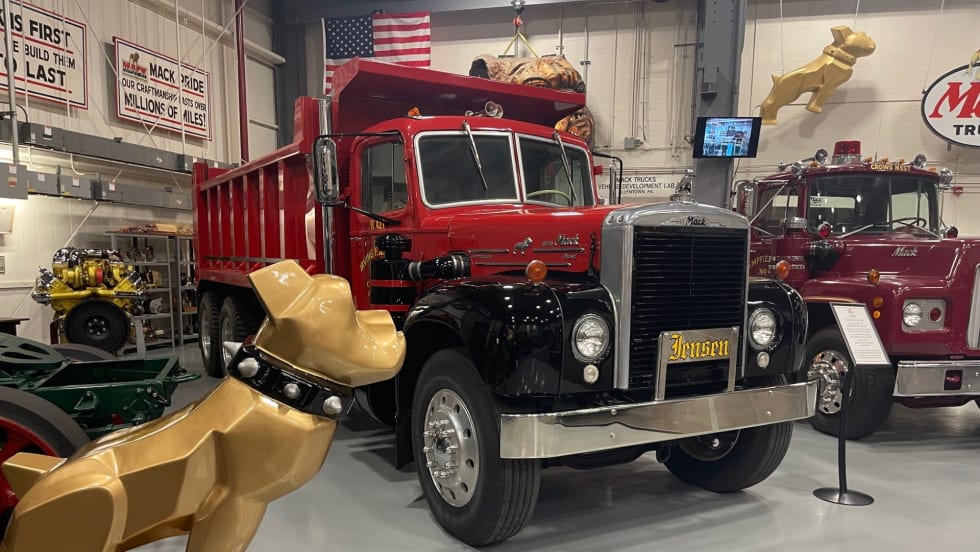
New (Antique) Trucks Take the Spotlight at the Mack Trucks Museum
The Mack Trucks Historical Museum has a slate of new historic vehicles on display this year.
Read More →
WEX, TFS Launch Equipment Financing Program for Trucking Fleets
The companies say the program uses technology to connect fleets with financing providers more efficiently than traditional lending channels.
Read More →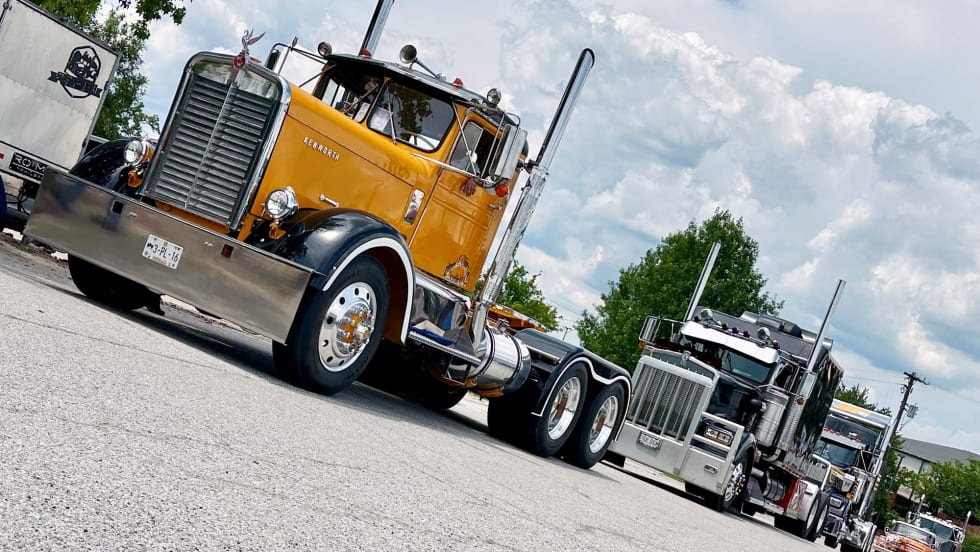
Historic, Vintage, and Antique Trucks at the 2026 ATHS Convention
More than 500 trucks were on display, indoors and out, at the 2026 American Historical Society annual convention in Springfield, Missouri.
Read More →
DTNA Software Update Gives Truckers More Time Before DEF Derates Take Effect
The changes reflect EPA guidance aimed at reducing downtime caused by emissions-system faults while maintaining compliance requirements.
Read More →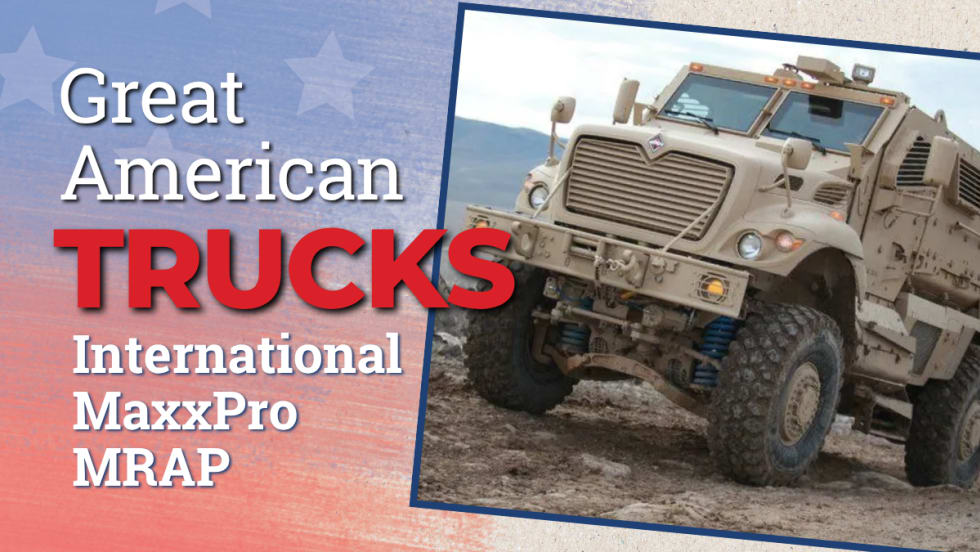
Great American Trucks: The International MaxxPro MRAP
Built from an International WorkStar chassis and powered by a MaxxForce diesel, the MaxxPro MRAP became one of the most important military trucks of the Iraq War era.
Read More →
New Mack Granite Cab Puts Driver Comfort Front and Center
Mack’s next-generation vocational truck features a roomier cab, premium seating, advanced steering technology, and a driver-focused interior designed with direct input from professional operators.
Read More →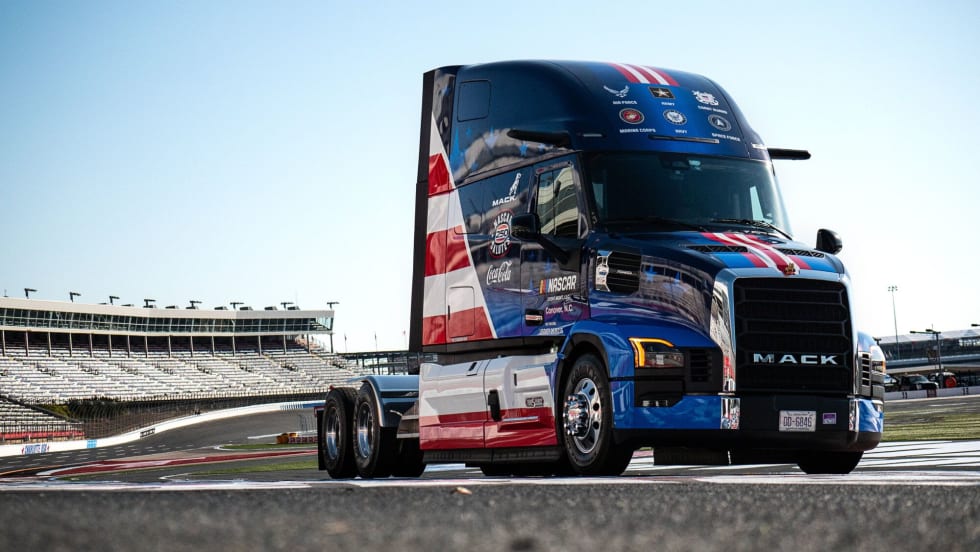
Mack Unveils Fan-Selected Patriotic NASCAR Pioneer Wraps
Racing fans picked the patriotic design now featured on three Mack Pioneer trucks hauling NASCAR equipment across the country during the 2026 season.
Read More →
Michelin Expands X Line Grip D Tire Line
Michelin is expanding its X Line Grip D drive tire lineup with a new pre-mold retread and additional sizes, building on what the company says is strong fleet adoption of the tire's traction, mileage, and fuel-efficiency benefits.
Read More →
Engine Technology Forum Launches SCR, DEF Resource Center Amid Emissions Debate
The Engine Technology Forum’s new online hub aims to provide fleets, policymakers, and equipment owners with fact-based information about selective catalytic reduction technology, diesel exhaust fluid and emissions compliance.
Read More →