




Related: 4 Ways Drivers Can Dial Up MPG
ATRI Survey Examines How Fleets are Saving Fuel
ATRI has conducted a survey of nearly 100 fleet managers and representing over 114,500 trucks to examine fuel economy and fuel usage among fleets of different sizes and needs.
by Staff
October 17, 2016
3 min to read
The American Transportation Research Institute has conducted a survey of nearly 100 fleet managers and representing over 114,500 trucks to examine fuel economy and fuel usage among fleets of different sizes and needs.
Fuel consistently represents one the largest costs for trucking companies and with tightening emissions regulations, fleets are looking for ways to both increase fuel efficiency and reduce expenses.
Of the 96 fleets surveyed, the median fuel economy was found to be 6.5 mpg. Fuel economy was generally better in larger fleets than smaller fleets. The median percentage of operating cost dedicated to fuel was 24% for all fleets.
The survey separated respondents by fleet size, with statistics grouping fleets into categories of 1-20, 21-100, 101-500 and 501 or more vehicles. The largest fleets had a median fuel economy of 6.8 mpg while the smallest fleets managed 6.3 mpg. The disparity in fuel economy can be chalked up to the types of loads and routes different-sized fleets typically took on.
Small fleets tended to report weighing-out loads or carrying to maximum capacity while larger fleets were more likely to report less than full truckloads. Smaller fleets were also more likely to have long-haul routes that required an overnight stay while large fleets were more likely to have local or regional same-day return routes.
The report also looked at the devices and strategies fleets were using to reduce fuel consumption. The most common fuel-saving technology was aluminum wheels, followed by speed limiters and low-rolling resistance tires.
Of key interest to fleets in selecting and using fuel-saving devices and technology was return on investment. The median required time for a return on investment was 2 years, but the smallest fleets with 1-20 trucks reported a required time for ROI of just 1 year.
The top three fuel-saving technologies with the best ROI were aerodynamic treatments, idle reduction technologies or strategies, and automated manual transmissions. However, both aerodynamic treatments and idle reduction technologies were also listed in the top three worst ROI fuel-saving technologies along with low-rolling resistance tires.
This seeming contradiction may highlight just how dependent ROI was on each fleet’s use case. Fleet size, especially for the smallest fleets, often differed from medium-large fleets in significant ways. For instance, the fuel price before a fleet would start seeking out fuel saving measures was $3.00 per gallon-- not including surcharges-- for most fleets, however, fleets with 1-20 trucks said the threshold was $3.50 per gallon.
"This report shows which technologies fleets are using and which ones they are more skeptical about," said Steve Niswander, vice president, safety policy & regulatory relations with Groendyke Transport, Inc. and chairman of ATRI's research advisory committee. "It also serves to highlight the difficulties fleets face when deciding which technologies are the best investments."
To access the full report, click here.
More Fleet Management
Where Electric Trucks Can Charge Now
New depots and truck-stop chargers gave electric trucks more places to plug in in 2026. Here’s where fleets can charge today, how megawatt charging works, and which freight routes to watch in 2027.
 Discuss with peers

Truck Tonnage Slips, Carrier Outlook Improves
For-hire truck tonnage fell 1.8% in October but was higher than a year earlier, and FTR raised its outlook for carriers for at least the next three quarters.

New Independent Contractor Rule Gives Trucking More Clarity
The Labor Department is once again changing how it determines who's an independent contractor. This time, the rule includes specific examples addressing trucking safety requirements, CDLs, and lease-purchase agreements.
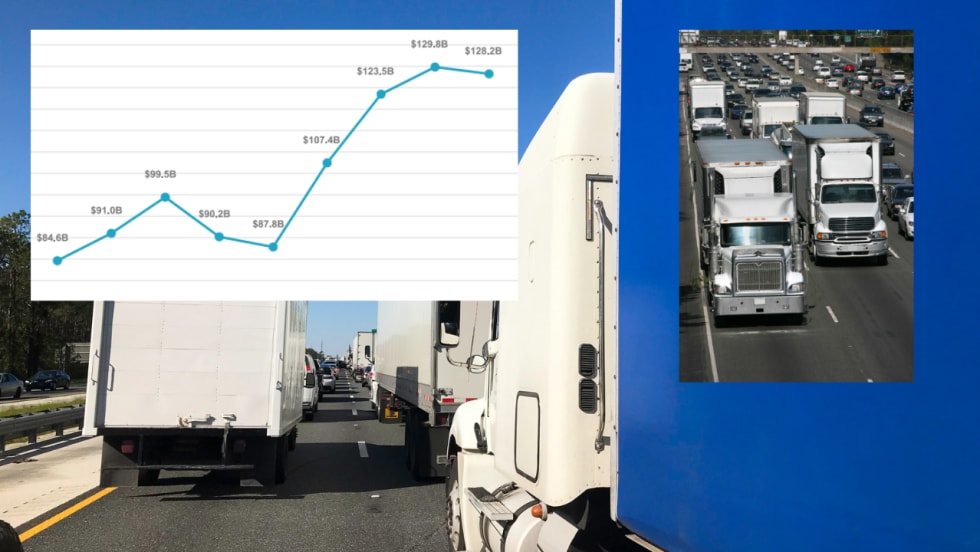
Trucking's Annual Congestion Costs Reach $128.2 Billion
That's the average cost, according to new ATRI research. And the wasted time and diesel are staggering.

How to Modernize Your TMS Without Replacing It [Podcast]
Before investing in a new transportation management system, take a closer look at what you've already got. AI, cloud technology and better integrations may offer ways to improve your trucking operations without starting over.

Could Your Truck's Connected Devices Be a Cybersecurity Risk?
ELDs, telematics systems and driver tablets help fleets operate more efficiently. But every connected device needs protection against cyberattacks.
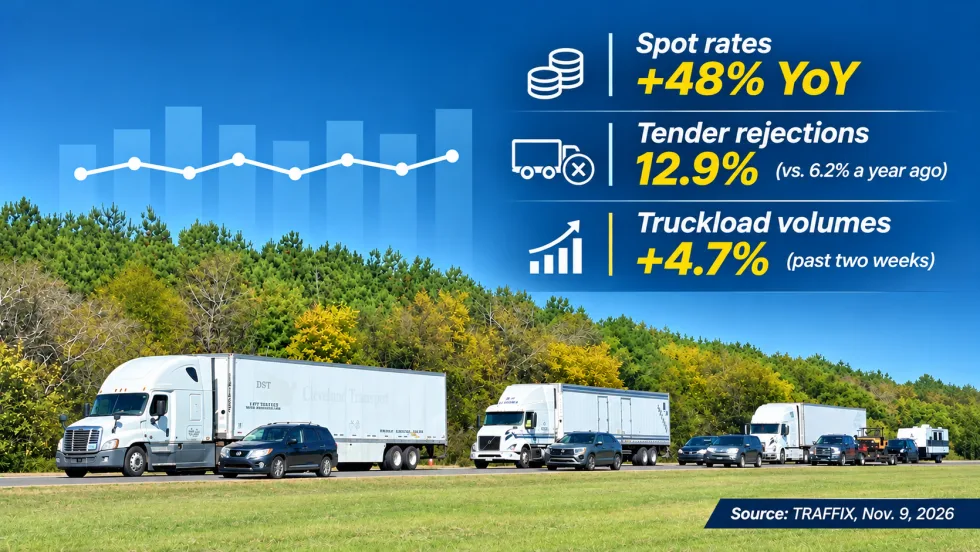
Holiday Freight Meets a Tight Trucking Market
There's no freight boom, but truckload carriers are finding themselves in a stronger position to negotiate rates. And holiday shipping demand could tighten the market further.
What Trucking Events are Happening in 2027?
Looking for trucking-related conventions, expos, and other events? Heavy Duty Trucking has developed this list of national and larger regional trucking shows and events.
Does Your Trucking Fleet Need a New TMS?
Artificial intelligence and better integrations promise less busywork and more useful data. Can your TMS help your company solve problems? Do you need additional vendors or an upgrade? Or is it time to look for a new platform?
Fleet Costs Shape ACT Expo 2027 Agenda
With diesel prices high and operating expenses under pressure, ACT Expo's 2027 agenda emphasizes fuel efficiency, AI, safety and the return on fleet technology investments.