




ATRI Research Offers Ways to Predict, Correct Truck Driver Behavior
The American Transportation Research Institute (ATRI), the trucking industry's not-for-profit research organization, has presented its "crash predictor" study that evaluates and links past driver traffic violations and convictions with their likelihood of being involved in a crash,
The American Transportation Research Institute (ATRI), the trucking industry's not-for-profit research organization, has presented its "crash predictor" study that evaluates and links past driver traffic violations and convictions with their likelihood of being involved in a crash,
providing trucking companies invaluable safety-related information on drivers.
The study also shows what enforcement and education programs are best to address potential or current driver behavior problems. The study was unveiled in Boston at the 2005 Management Conference and Exhibition of the American Trucking Associations, the nation's largest trucking industry trade and safety advocacy group.
"We know driver-related factors are involved to a large degree in crashes involving large trucks," said ATRI Chairman Jim Staley (YRC Regional Transportation). "Our research now gives us an early warning system, so to speak, where motor carriers can intervene when necessary within their driver force to improve and make a profound impact on safety behavior."
The ATRI research analyzed data on 540,750 drivers gathered over a three-year time frame to determine future crash predictability. A second objective, in conjunction with the Commercial Vehicle Safety Alliance (CVSA) was to identify effective enforcement actions to counteract the driving behaviors predictive of future crash involvement.
ATRI's study, “Predicting Truck Crash Involvement: Developing a Commercial Driver Behavior-Based Model and Recommended Countermeasures,” shows reckless driving and improper turn violations as the two violations associated with the highest increased in likelihood of a future crash.
The four convictions with the highest likelihood of a future crash are: improper or erratic lane change; failure to yield right of way; improper turn; and failure to maintain a proper lane. When a driver receives a conviction for one of these behaviors, the likelihood of a future crash increases between 91 and 100 percent. In a summary of all crash data analyzed, reckless driving violations prompt the highest likelihood of a future crash – 325 percent.
A link to the full driver predictor study is available at www.atri-online.org.
More Safety & Compliance
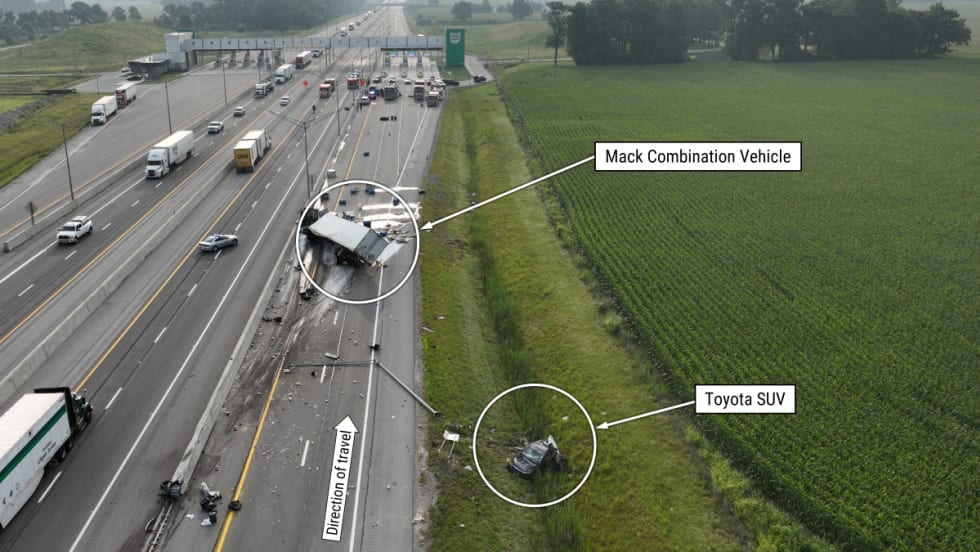
Fatal Crash Exposes Toll Plaza Risks
An NTSB investigation found that last-minute lane changes and large speed differences at an Ohio toll plaza created a hazard the truck driver couldn't avoid in time.
Read More →
When Language Stops the Truck: The Return of ELP Out-of-Service Orders
English language proficiency rules for commercial drivers aren’t new, but renewed out-of-service enforcement has raised the stakes. Here’s what carriers need to know before a driver reaches a roadside inspection.
Read More →
A Camera Isn't a Safety Program. Here's What Brokers Are Screening for Now
Footage alone may not be enough to pass broker vetting processes. Here's what counts as a defensible safety program now.
Read More →

Marijuana and Trucking’s Drug-Testing Dilemma
Marijuana is getting stronger, laws are changing, and drug tests still can’t reliably establish impairment. What does that mean for truck drivers and the fleets that employ them?
Read More →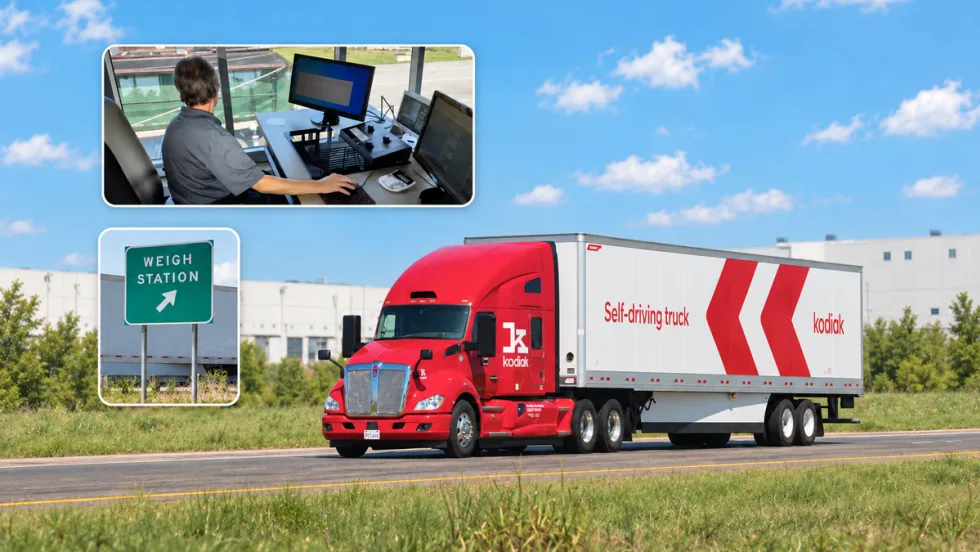
PrePass, Kodiak Connect Driverless Trucks to Roadside Enforcement
The system will allow enforcement agencies to verify Enhanced Inspection information and decide whether Kodiak’s autonomous trucks can bypass roadside screening sites.
Read More →
From One Generation to the Next: How Mentorship Builds Safer Truck Drivers
After three decades in trucking, Harold Perry shares what he's learned about driver safety, mentorship, and helping the next generation build confidence behind the wheel.
Read More →
FMCSA Pauses Biennial-Update Enforcement Amid Motus Transition
Carriers whose updates were due on or after June 1 have more time, while FMCSA works to stabilize its new registration system and warns of phishing sites impersonating its new carrier registration system, Motus.
Read More →
ZF Expands Commercial Vehicle Push in North America
ZF is expanding its North American commercial-vehicle presence with new transmission applications, electrification, trailer technology and autonomous-driving systems.
Read More →
Truck Drivers Need More Than Another Alert
Fleets have more visibility into truck health, safety events, and driver activity than ever. The next challenge is turning all that information into useful guidance for the person who has to decide what to do next.
Read More →
Tesla Wants a Self-Driving Semi. Are Cameras Enough?
Could Tesla’s camera-only autonomous driving technology work on an 80,000-pound Semi? In this commentary, HDT's Deborah Lockridge takes a look at Tesla, Cybercab, and how autonomous trucks see the road.
Read More →