




ATA Urges Governors to Reject N.Y., N.J. Toll Hike
American Trucking Associations President and CEO Bill Graves called on Govs. Chris Christie of New Jersey and Andrew Cuomo of New York to reconsider what he called an "ill-conceived and unprecedented" toll hike recently approved by the Port Authority of New York & New Jersey
American Trucking Associations President and CEO Bill Graves called on Govs. Chris Christie of New Jersey and Andrew Cuomo of New York to reconsider what he called an "ill-conceived and unprecedented" toll hike recently approved by the Port Authority of New York & New Jersey.
The tolls, which will affect bridges and tunnels in the area, will mean an extra $50 per five-axle truck for E-Z Pass users and even more for cash customers.
"We urge you to veto this proposal, which will not only devastate trucking companies who serve the New York City area, but will also increase the cost of doing business in a region already regarded as among the most expensive in the nation," Graves wrote in a letter yesterday.
Graves added that ATA, along with the state trucking associations in New York and New Jersey, were vehemently opposed to a plan where "a majority of new revenues will subsidize projects with no benefit to those paying the tolls."
"The trucking industry is willing to pay its fair share for the roads and bridges we depend on," Graves said. "But this increase will primarily pay for the Authority's other operations, notably the reconstruction of the World Trade Center."
In his letter, Graves said the proposed tolls will be nearly three times higher than for comparable bridges nationwide. Furthermore, Graves said the combined effect of toll increases in the region must be considered by policy makers before moving forward.
According to the ATA, if these, as well as other proposed increases in the I-95 corridor are implemented, a truck hauling goods from Baltimore to Manhattan will see its toll burden rise from $114.25 today to $209.25 in just three years.
Read more about the toll hike on www.truckinginfo.com
More Drivers

New Independent Contractor Rule Gives Trucking More Clarity
The Labor Department is once again changing how it determines who's an independent contractor. This time, the rule includes specific examples addressing trucking safety requirements, CDLs, and lease-purchase agreements.
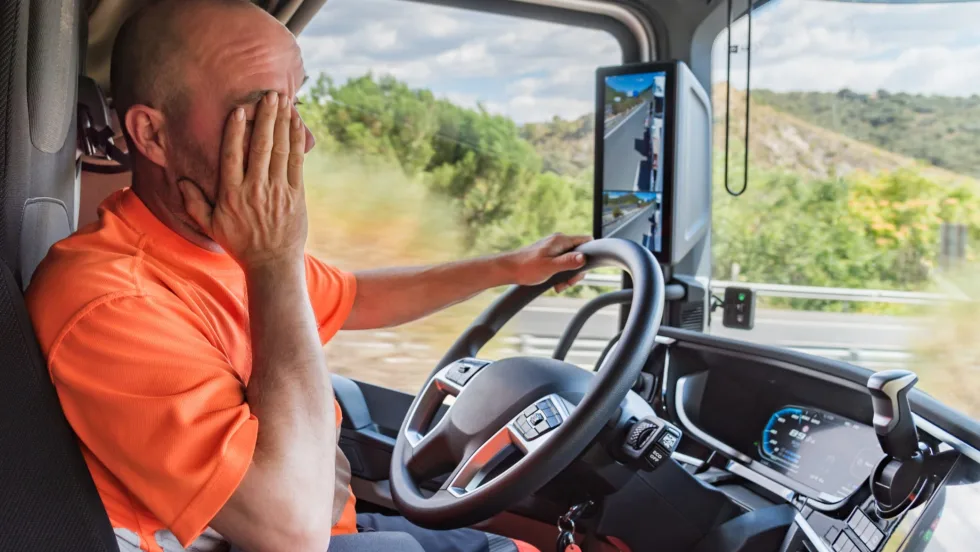
Catching Driver Fatigue is One Thing. What You Do Next Matters Just as Much
Fleets are getting better at detecting driver drowsiness. Few have figured out what should happen next, and that gap is where the real risk still lives.
133 ELDs Revoked as ATA Pushes Certification Reform
FMCSA just removed a record number of electronic logging devices from its registry. ATA says it's time to rethink how ELDs get approved in the first place.
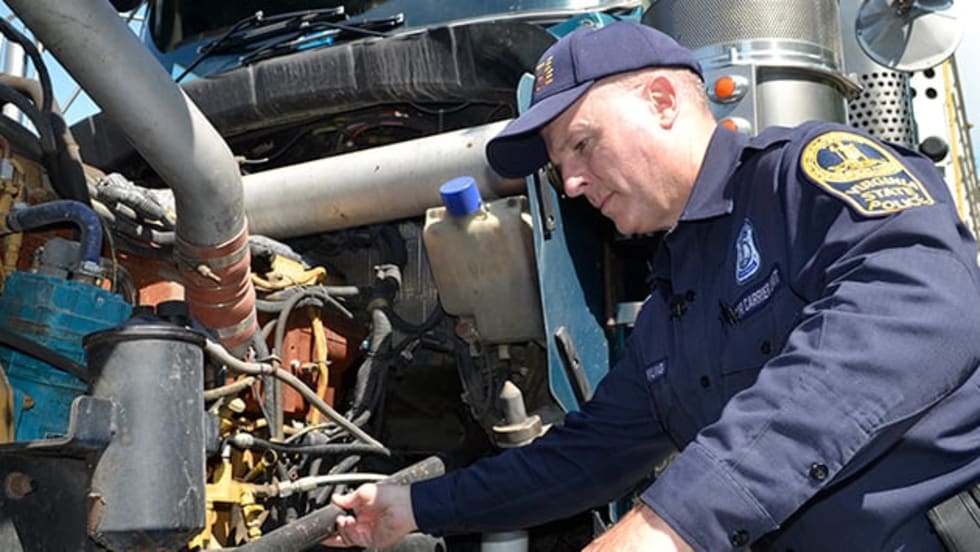
CVSA Sets 2027 International Roadcheck Dates
The annual 72-hour truck inspection blitz will take place May 11–13 across North America. Here's what fleets can expect and what inspectors found during the 2026 event.

FDA Eases Path for Oral-Fluid Testing
Federal actions could advance oral-fluid drug testing for truck drivers, but lab certification delays and marijuana rescheduling questions remain.

Why Hiring Truck Drivers Is Getting Harder
Higher recruiting costs, a shrinking driver pool, and renewed pay competition are raising the stakes for fleets heading into 2027.
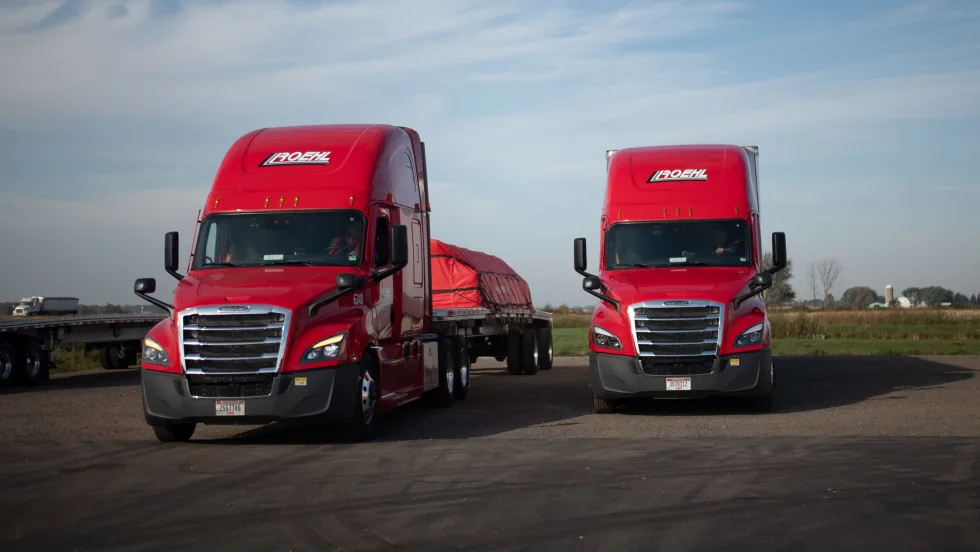
Roehl Offers Truck Drivers $10,000 Retention Incentive
Payments begin after the first load and continue in mileage-based installments for eligible experienced drivers joining the fleet.
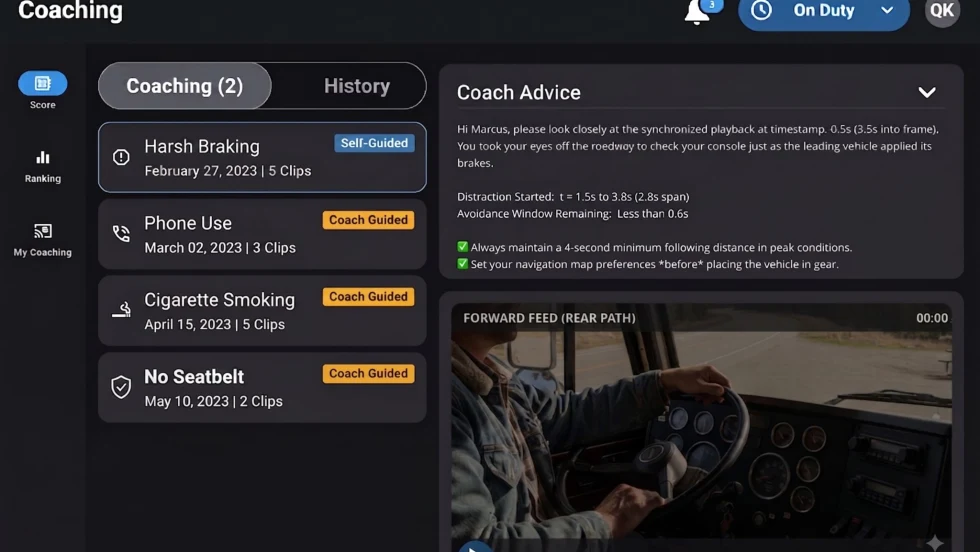
Platform Science Adds Dispatch and Safety Tools
Four additions to PS Fleet help fleets monitor loads, manage driver coaching, share truck locations and adjust video system settings.
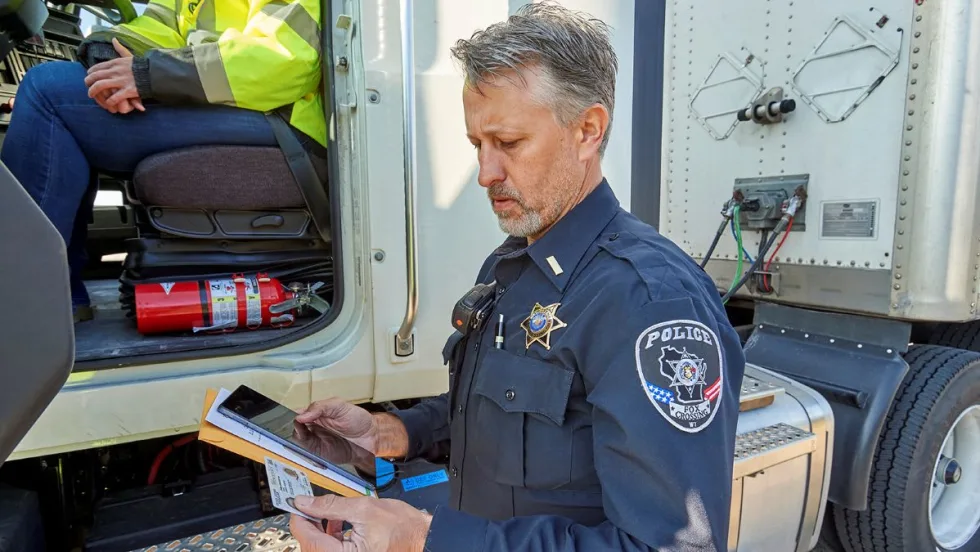
When Language Stops the Truck: The Return of ELP Out-of-Service Orders
English language proficiency rules for commercial drivers aren’t new, but renewed out-of-service enforcement has raised the stakes. Here’s what carriers need to know before a driver reaches a roadside inspection.
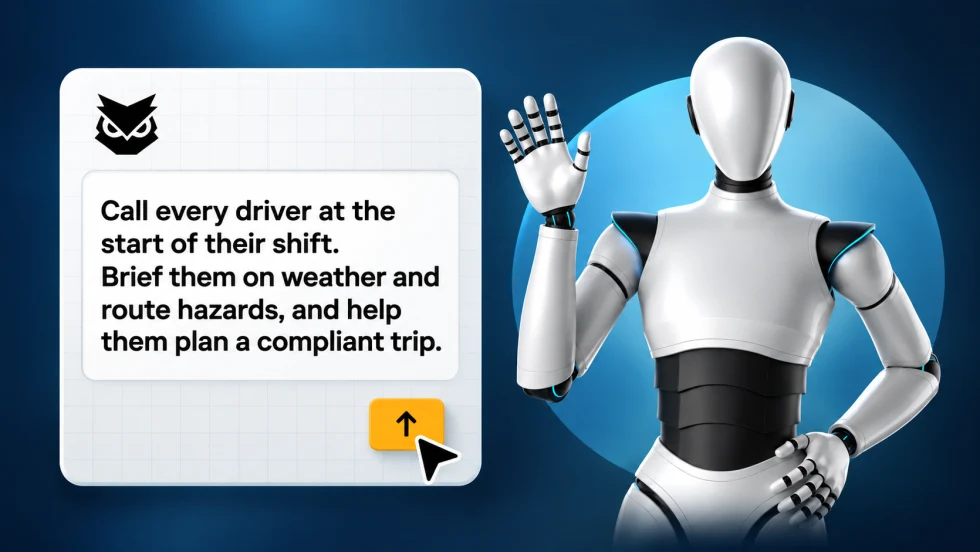
Samsara Launches Custom AI Agent Builder
Agent Studio lets fleets create AI tools for hours-of-service monitoring, reporting and driver support, including agents that communicate by phone.