




With the fifth straight annual drop in truck-involved fatalities, the U.S. trucking industry and its safety programs helped produce one of the few bright spots in the nation's latest highway safety report.
According to figures released Friday by the National Highway Traffic Safety Administration (NHTSA), the trucking industry recorded its best highway safety improvement in nearly a decade as the number of truck-involved crash fatalities dropped below 5,000 for the first time since 1995.
The 2002 toll of 4,897 fatalities marks a 4.2% decline from the 2001 figure.
"This positive news is a tribute to our professional truck drivers and our motor carriers who work hard every mile, every hour, every day to safely share the road with other motorists," said Bill Graves, president and CEO of the American Trucking Assns. (ATA).
The drop in truck-related highway deaths came as overall traffic fatalities in the U.S. increased from 42,196 in 2001 to 42,815 in 2002. Alcohol-related deaths, motorcycles fatalities and young driver deaths each showed an increase.
"The highways are our workplace-- our drivers travel over 400 billion miles a year. We recognize and accept the special safety responsibility that this brings," said Graves. "Through ATA's Share the Road program--sponsored by Mack Trucks -- we connect directly with other motorists, teaching them how to drive safely around large trucks. This program is especially important since research by both the Federal Motor Carrier Safety Administration (FMCSA) and the AAA Foundation for Traffic Safety shows that over 70% of all fatal car-truck crashes begin with an error on the part of the car driver.
"In addition, our Highway Watch program -- in conjunction with FMCSA – trains truck drivers to spot aggressive drivers and dangerous highway situations and report them to authorities. We believe that these public education efforts have helped to produce these low fatality numbers.
"While this continues a positive trend of reduced fatalities, we believe that additional common sense steps can save more lives," Graves said. "If we all insist on increased, visible traffic enforcement for cars and trucks – especially for speeders -- then we'll continue to see the numbers move in the right direction."
ATA Lauds 5th Annual Decline in Truck-Related Deaths
With the fifth straight annual drop in truck-involved fatalities, the U.S. trucking industry and its safety programs helped produce one of the few bright spots in the nation's latest highway safety report
More Safety & Compliance

Avoiding Winter Pileups: Don’t Become the Next Link in the Crash-Chain
Winter roadway “pileups” aren’t one crash — they’re a chain reaction. Here’s what triggers them, how truck drivers can spot the danger early, and what to do if you're suddenly trapped in the mess.
Read More →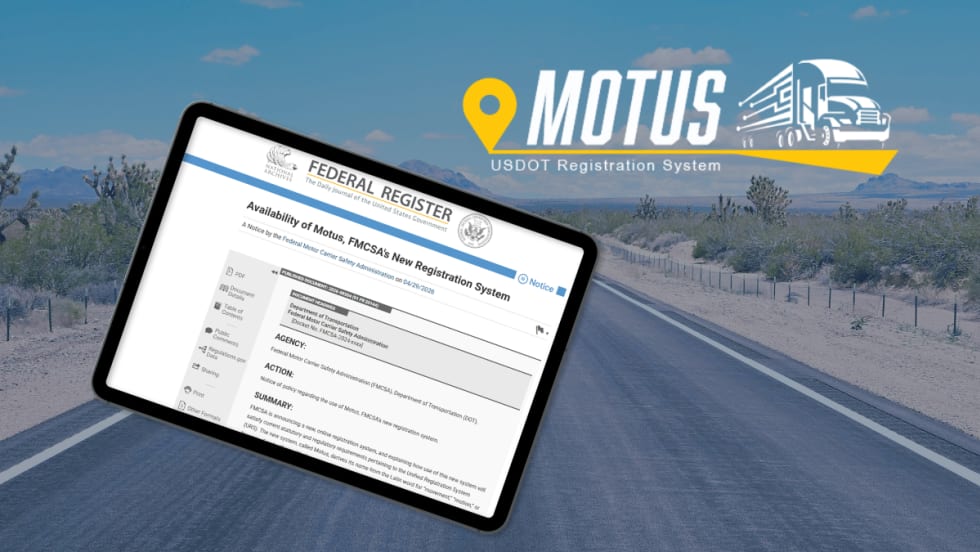
FMCSA’s Motus System Is Coming. What Fleets Need to Know Now
The long-awaited registration system promises a single portal — and tighter fraud controls.
Read More →
Nominations Open for HDT Truck Fleet Innovators 2026
Heavy Duty Trucking is searching for forward-looking leaders at trucking fleets as nominations for HDT’s Truck Fleet Innovators 2026. Deadline is May 15.
Read More →
Freightliner Expands Detroit Assurance with New Intersection and Turning Safety Tech
Detroit’s next-generation ABA6 safety system adds cross-traffic detection and enhanced side guard assist with left-turn protection, targeting high-risk urban scenarios.
Read More →
'Beyond Compliance,' Regulations, Driver Coaching on ATRI’s 2026 Research List
The American Transportation Research Institute will examine driver coaching, regulatory impacts — including the "Beyond Compliance" concept —and weather disruptions that shape trucking operations.
Read More →
FMCSA Revamps DataQs to Improve Fairness, Speed of Reviews
New requirements add firm deadlines and independent review steps, addressing long-standing complaints about inconsistent rulings and slow response times.
Read More →
FMCSA Extends Paper Medical Card Exemption … Again
Five states still aren't ready to accept commercial driver medical exam information directly from the medical examiner's registry.
Read More →
HDT Honors the Best New Products of 2025 at TMC [Photos]
Heavy Duty Trucking's Top 20 Products awards recognize the best new products and technologies. Check out the award presentations at the 2026 Technology & Maintenance Council annual meeting.
Read More →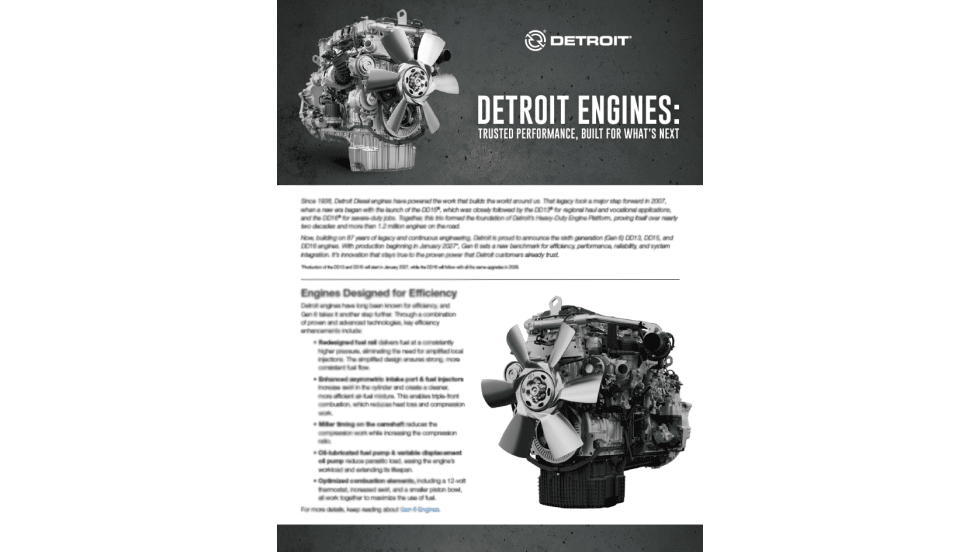
Detroit Engines: Trusted Performance, Built for What's Next
The Detroit® Gen 6 engine platform proves that real progress doesn’t require a complete redesign. Built on 20 years of trusted technology, these engines are designed for efficiency, stronger performance, and greater reliability than before. And they do it all while complying with 2027 EPA standards on every mile.
Read More →
Aperia Expands Halo Platform with Steer-Tire Inflation System, Fifth-Wheel Integration
Aperia Technologies introduced a new automatic tire inflation system for steer axles and a partnership with Fontaine Fifth Wheel to integrate coupling status into its Halo Connect platform.
Read More →