




ATA Celebrates Safety Accomplishments, Commits to Further Action
There has been substantive progress on more than half of 20 critical steps necessary to further reduce highway crashes, according to a new progress report released by American Trucking Associations on its progressive safety agenda. The report comes four years after ATA released its list of safety priorities and called on policymakers to do more to make trucks and their workplace, America's roadways, safer
There has been substantive progress on more than half of 20 critical steps necessary to further reduce highway crashes, according to a new progress report released by American Trucking Associations on its progressive safety agenda.
The report comes four years after ATA released its list of safety priorities and called on policymakers to do more to make trucks and their workplace, America's roadways, safer.
The Safety Agenda was developed by ATA's Safety Task Force and adopted by ATA's Board of Directors to improve the performance of both commercial and non-commercial drivers, and to make vehicles and motor carriers safer.
"ATA has been a vocal advocate for making common sense, data-supported, regulatory and legislative changes to improve the safety of our nation's highways," ATA President and CEO Bill Graves said. "Regulators and lawmakers at the state and federal level have answered ATA's calls in several areas, but there is still much more work to be done. For instance, though Congress has taken positive steps on electronic logging devices and on hair testing for drugs, ATA will continue to press for progress on these issues until meaningful changes are finally implemented."
Through the end of 2012, several areas identified by ATA such as the safe use of technology, establishment of a national registry for certified medical examiners, and a system to pre-screen potential truck drivers have been the subject of positive, substantial change.
Nine other areas - including; improving truck parking, enactment of primary seat belt laws, establishment of programs to target aggressive driving behaviors, development of crashworthiness standards for large trucks, and the creation of a clearinghouse for driver drug and alcohol test results - have seen some favorable progress, but still substantive changes have not yet been fully implemented.
There are still several areas, however, where no meaningful headway has been made. These include; implementation of a national speed limit of 65 mph and speed limiters for all commercial vehicles and for passenger vehicles for drivers with certain traffic convictions. And, the federal truck safety program, along with many states, is moving in the wrong direction on truck-involved traffic enforcement interventions.
"We're pleased that our state and federal safety partners have addressed or begun to address more than half of these actions to make commercial motor vehicles and their workplace safer, and remain committed to addressing all of these issues, and reversing negative trends, to further reduce highway crashes," said ATA Chairman Mike Card, president of Combined Transport, Central Point, Ore. "We hope our federal and state partners will continue to work with us to this end."
More Safety & Compliance
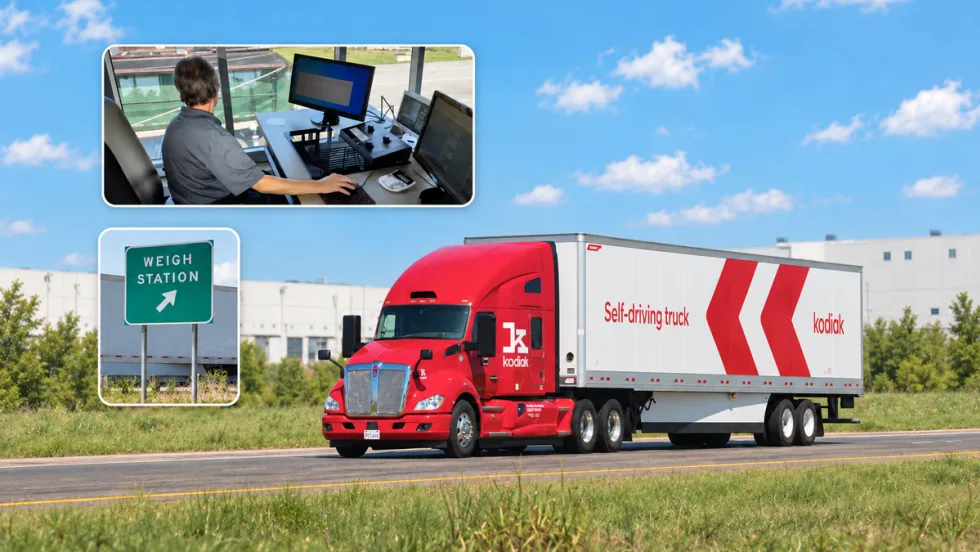
PrePass, Kodiak Connect Driverless Trucks to Roadside Enforcement
The system will allow enforcement agencies to verify Enhanced Inspection information and decide whether Kodiak’s autonomous trucks can bypass roadside screening sites.
Read More →
From One Generation to the Next: How Mentorship Builds Safer Truck Drivers
After three decades in trucking, Harold Perry shares what he's learned about driver safety, mentorship, and helping the next generation build confidence behind the wheel.
Read More →
FMCSA Pauses Biennial-Update Enforcement Amid Motus Transition
Carriers whose updates were due on or after June 1 have more time, while FMCSA works to stabilize its new registration system and warns of phishing sites impersonating its new carrier registration system, Motus.
Read More →
ZF Expands Commercial Vehicle Push in North America
ZF is expanding its North American commercial-vehicle presence with new transmission applications, electrification, trailer technology and autonomous-driving systems.
Read More →
Truck Drivers Need More Than Another Alert
Fleets have more visibility into truck health, safety events, and driver activity than ever. The next challenge is turning all that information into useful guidance for the person who has to decide what to do next.
Read More →
Tesla Wants a Self-Driving Semi. Are Cameras Enough?
Could Tesla’s camera-only autonomous driving technology work on an 80,000-pound Semi? In this commentary, HDT's Deborah Lockridge takes a look at Tesla, Cybercab, and how autonomous trucks see the road.
Read More →
What DOT’s Automated Vehicle Strategy Means for Trucking
The U.S. Department of Transportation issued a new automated-vehicle strategy that outlines plans for driverless-truck regulations, cross-state freight corridors, and federal safety standards.
Read More →
NYC Expands Speed, Pedestrian Safety Tech Across Fleet
New York City is expanding intelligent speed assistance and pedestrian-alert systems across its municipal fleet, moving the technologies from pilot programs into vehicle procurement and retrofit requirements.
Read More →
FMCSA Removes 110 Truck Driver Training Schools from Certified ELDT List
Federal regulators also are targeting more than 160 additional training providers and launching a nationwide audit of third-party CDL skills testers as part of a broader crackdown on trucking fraud.
Read More →
Beyond DOT Compliance: What Makes a Trucking Fleet Truly Safe?
A trucking fleet can follow every rule and still make unsafe decisions. The real test comes when safety conflicts with freight, productivity, or cost.
Read More →