




ASSE Explores Fleet Safety at Conference
As transportation accidents continue to be the No. 1 cause of on-the-job deaths, last week's American Society of Safety Engineers' (ASSE) "Improving Fleet Safety" symposium identified ways to prevent injuries and fatalities on the roads.
As transportation accidents continue to be the No. 1 cause of on-the-job deaths, last week's American Society of Safety Engineers' (ASSE) "Improving Fleet Safety" symposium identified ways to prevent injuries and fatalities on the roads.
Occupational safety and health professionals, law enforcement and academia from 27 states, Canada and Switzerland met at UPS headquarters in Atlanta, Ga., for the sold-out event.
The focus of the symposium was to offer safety, health and environmental professionals an opportunity to participate in sessions and panel discussions on new challenges faced within the transportation industry, management processes and best practices.
Pilot programs involving new technology aimed at understanding driver behavior and the lone-worker environment were some of the many topics discussed at the two-day conference.
In 2006, 5,703 people died from on-the-job injuries in the U.S. and nearly one out of four of those fatal work injuries were transportation related. Worldwide, roadway crashes and fatalities are at an all-time high. In the U.S. there were 6,159,000 vehicle crashes in 2005 resulting in the death of 43,443 people and injuring 2.7 million more. Those accidents cost the U.S. $230.6 billion.
For businesses, the Federal Motor Carrier Safety Administration (FMCSA) estimates that the per crash cost for a fatal crash involving a company vehicle to be $3,604,518.
Topics offered at the conference included in-vehicle technology: managing crash risk before the crash occurs; diagnosing fleet safety systems to achieve involvement, exemplary compliance, and sustained loss reduction; best practices in hazardous materials transportation; event recorders - how one company's pilot program proved to be a success; what are the leaders in fleet safety doing? -- what separates the best from the rest; an overview of new technologies to improve transportation safety; update from the Florida cargo theft task force; improving driver safety through feedback; and building safety into your company's retention process.
Seatbelts and company programs aimed at reducing aggressive and distracted driving can work, conference participants said, but many are looking at in-vehicle cameras, vehicle and cargo tracking systems and the importance of safety coaching and actively managing employee performance.
Attendees agreed that safety is good business and transportation crashes not only cause injuries and fatalities, but increase maintenance costs, lead to road repair, retraining, hiring new drivers, and slice away at a company's good reputation.
"We need to continue to mitigate risk and improve driver safety by using the technologies available to us now such as electronic driver monitoring and feedback technologies, driver selection processes, and policies and procedures for optimizing transportation safety," Nadine Levick, CEO of Objective Safety, said.
More Safety & Compliance
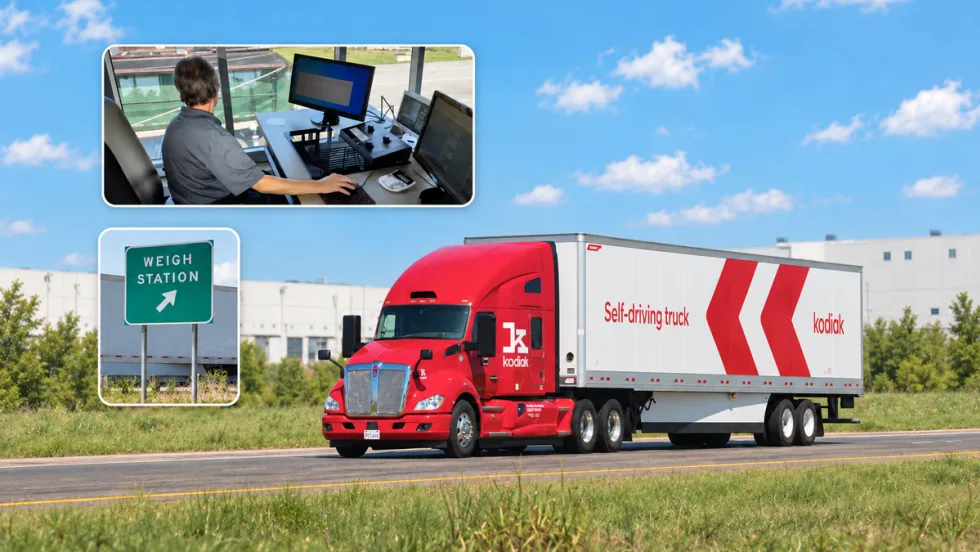
PrePass, Kodiak Connect Driverless Trucks to Roadside Enforcement
The system will allow enforcement agencies to verify Enhanced Inspection information and decide whether Kodiak’s autonomous trucks can bypass roadside screening sites.
Read More →
From One Generation to the Next: How Mentorship Builds Safer Truck Drivers
After three decades in trucking, Harold Perry shares what he's learned about driver safety, mentorship, and helping the next generation build confidence behind the wheel.
Read More →
FMCSA Pauses Biennial-Update Enforcement Amid Motus Transition
Carriers whose updates were due on or after June 1 have more time, while FMCSA works to stabilize its new registration system and warns of phishing sites impersonating its new carrier registration system, Motus.
Read More →
ZF Expands Commercial Vehicle Push in North America
ZF is expanding its North American commercial-vehicle presence with new transmission applications, electrification, trailer technology and autonomous-driving systems.
Read More →
Truck Drivers Need More Than Another Alert
Fleets have more visibility into truck health, safety events, and driver activity than ever. The next challenge is turning all that information into useful guidance for the person who has to decide what to do next.
Read More →
Tesla Wants a Self-Driving Semi. Are Cameras Enough?
Could Tesla’s camera-only autonomous driving technology work on an 80,000-pound Semi? In this commentary, HDT's Deborah Lockridge takes a look at Tesla, Cybercab, and how autonomous trucks see the road.
Read More →
What DOT’s Automated Vehicle Strategy Means for Trucking
The U.S. Department of Transportation issued a new automated-vehicle strategy that outlines plans for driverless-truck regulations, cross-state freight corridors, and federal safety standards.
Read More →
NYC Expands Speed, Pedestrian Safety Tech Across Fleet
New York City is expanding intelligent speed assistance and pedestrian-alert systems across its municipal fleet, moving the technologies from pilot programs into vehicle procurement and retrofit requirements.
Read More →
FMCSA Removes 110 Truck Driver Training Schools from Certified ELDT List
Federal regulators also are targeting more than 160 additional training providers and launching a nationwide audit of third-party CDL skills testers as part of a broader crackdown on trucking fraud.
Read More →
Beyond DOT Compliance: What Makes a Trucking Fleet Truly Safe?
A trucking fleet can follow every rule and still make unsafe decisions. The real test comes when safety conflicts with freight, productivity, or cost.
Read More →